WFY Plastic Surgery offers personalised belt lipectomy and lower body lift surgery to remove excess skin and tissue around the abdomen, waist, hips and lower back, helping improve the overall contour and shape of the lower body.


A belt lipectomy, also known as a lower body lift, is a body contouring surgical procedure designed to remove excess, hanging skin and tissue from around the lower abdomen, waist, hips and lower back. It may be considered when significant weight loss has left loose skin that does not tighten sufficiently on its own.
Unlike a tummy tuck, which primarily focuses on the front of the abdomen, a belt lipectomy can address excess skin around a larger portion of the lower body. This makes it suitable for people who have loose skin extending beyond the abdomen to the sides, hips or lower back.
The amount and location of excess skin varies from person to person. Your surgeon will assess your abdomen, waist, hips, lower back, skin quality and overall body shape before planning the procedure and determining how much tissue needs to be removed.
The aim of a lower body lift is to create a smoother and more defined lower-body contour while removing excess skin and maintaining balanced proportions. The surgical approach is personalised according to your anatomy, previous weight changes and desired outcome.
If significant weight loss has left you with loose or hanging skin around the abdomen, waist, hips or lower back, choosing a clinic with experience in body-contouring surgery is important. WFY Plastic Surgery offers belt lipectomy surgery to help improve the overall shape and contour of the lower body.
With over 15 years of experience and 6,000+ procedures, the clinic has experience across a range of cosmetic, plastic and body-contouring treatments. The surgical team takes an individualised approach when planning lower body lift surgery.
The treatment plan is based on the amount and location of excess skin, skin quality, body shape and the areas requiring correction. Since a belt lipectomy can address skin around several areas of the lower body, the surgeon evaluates the overall contour rather than focusing only on the abdomen.
Depending on your individual requirements, the procedure may be combined with other appropriate body-contouring treatments. The goal is to remove excess hanging skin and create a smoother, firmer and more balanced lower-body contour while maintaining natural proportions.

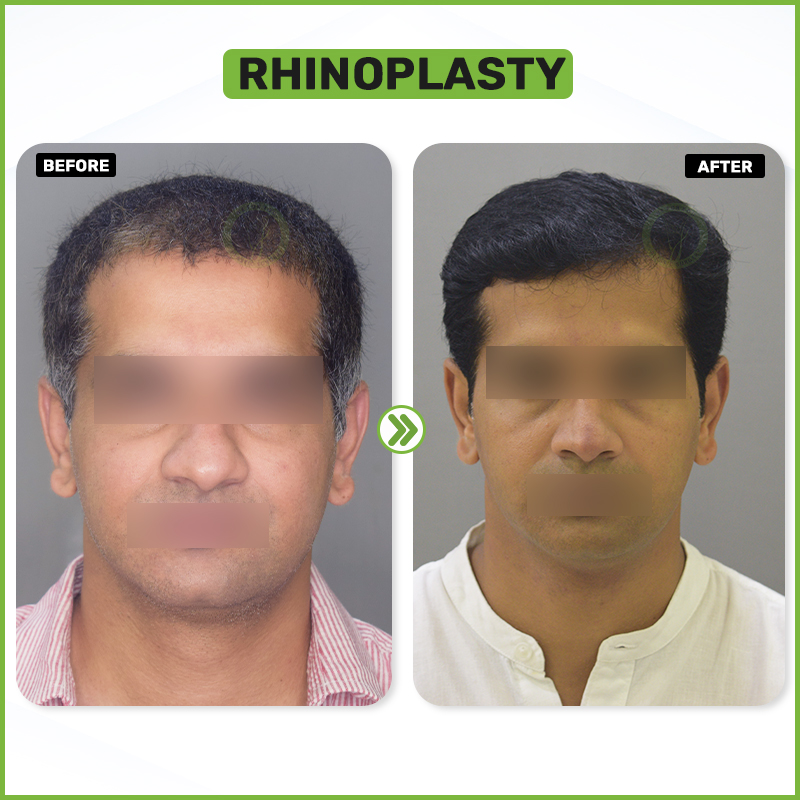
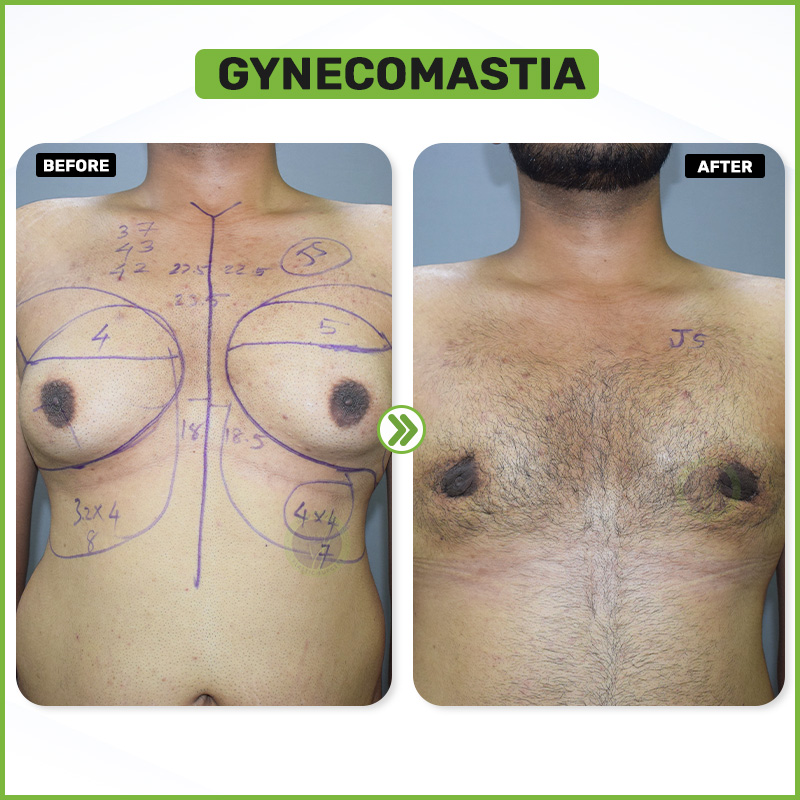
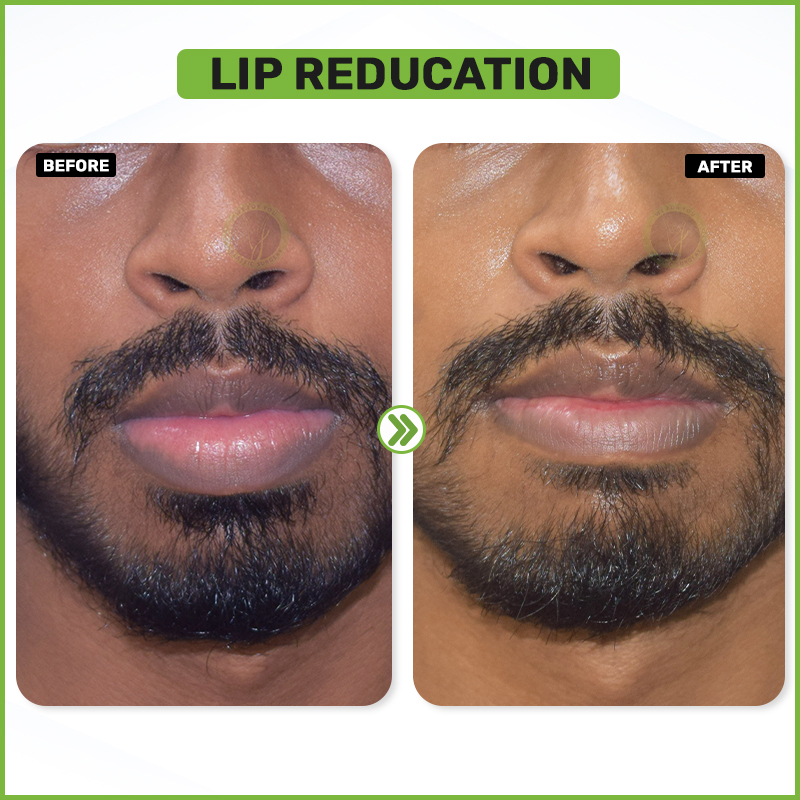
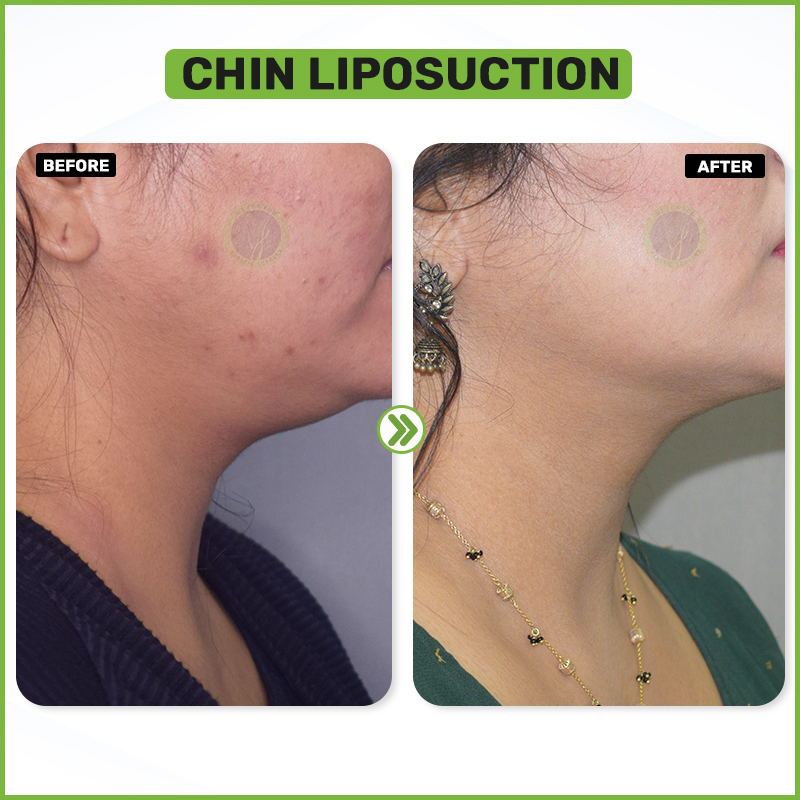
WFY Plastic Surgery has experienced and qualified plastic surgeons who perform breast and cosmetic procedures. They assess your breasts, chest, and body proportions before planning your surgery.
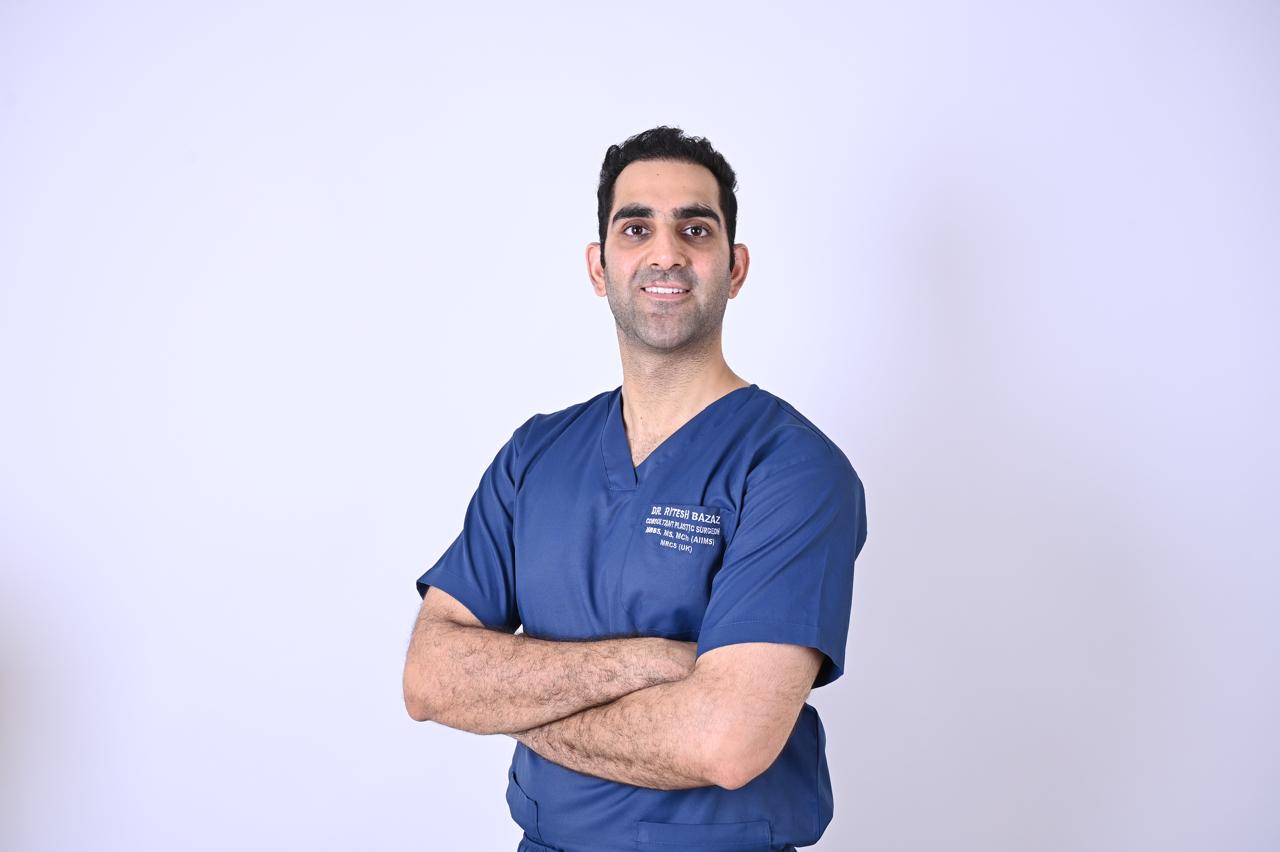
Known for meticulous contouring, natural-looking results and a patient-first surgical approach.

Specialist in body contouring, high-definition liposuction and advanced plastic surgery.
The cost of belt lipectomy in Gurgaon can vary depending on the amount of excess skin, the areas being treated, the surgical technique, anaesthesia, surgeon's fee, and any additional body-contouring procedures required. The final cost is determined after assessing your lower body and understanding the extent of correction required.
| TYPE OF LOWER BODY LIFT | APPROXIMATE COST IN GURGAON |
|---|---|
| Standard Belt Lipectomy | ₹2,00,000 – ₹3,00,000 |
| Belt Lipectomy with Tummy Tuck | ₹2,25,000 – ₹3,50,000 |
| Belt Lipectomy with Liposuction | ₹2,50,000 – ₹3,75,000 |
| Extended Lower Body Lift | ₹3,00,000 – ₹4,00,000 |
| Lower Body Lift After Major Weight Loss | ₹3,00,000 – ₹4,50,000+ |
A belt lipectomy may be suitable for people who have experienced significant weight loss and are left with loose or hanging skin around the abdomen, waist, hips or lower back. Good overall health, a stable weight, realistic expectations and a willingness to follow post-operative instructions are important before undergoing this type of body-contouring surgery.
You may be a suitable candidate if:
Major Weight Loss: You have lost a significant amount of weight and have excess skin that does not tighten sufficiently on its own.
Loose Lower-Body Skin: You have hanging or excess skin around the abdomen, waist, hips or lower back that affects your body contour.
Stable Weight: Your weight has remained reasonably stable, and you are not planning significant weight loss in the near future.
Good Overall Health: You are healthy enough to undergo a major surgical procedure and recover properly without a condition that could significantly affect healing.
Healthy Lifestyle: You are maintaining healthy eating and activity habits following weight loss and are prepared to continue them during recovery.
Non-Smoker: You do not smoke or use nicotine products that may interfere with wound healing and recovery.
Realistic Expectations: You understand the improvements a belt lipectomy can provide and are comfortable discussing the expected results and surgical scars.
A consultation is important to determine whether a belt lipectomy is appropriate for you. Your surgeon can assess the amount and location of excess skin, your overall body contour, medical history and weight-loss journey before recommending the most suitable approach.
Belt lipectomy, also known as a lower body lift, can address loose and hanging skin across several areas of the lower body. The exact treatment areas depend on your amount of excess skin, body shape, previous weight loss and the level of correction required:
Your surgeon examines the abdomen, waist, hips, flanks and lower back to assess the amount and distribution of loose skin and determine the areas that require correction.
Before surgery, the areas of excess skin and tissue are carefully marked. The incision is planned according to your body shape, amount of excess skin and desired contour.
Appropriate anaesthesia is administered based on the extent of the lower body lift, your health and the overall surgical plan. The anaesthesia options are discussed before the procedure.
A carefully planned incision is made around the lower portion of the body. Where possible, the incision is positioned in an area that can be concealed by underwear or swimwear.
The surgeon removes the planned amount of loose skin and excess tissue from the abdomen, waist, hips and other areas included in the treatment plan.
The remaining skin is repositioned and brought together to create a smoother, firmer and more defined lower-body contour while maintaining balanced proportions.
If localised excess fat is also present, liposuction or another suitable body-contouring procedure may be considered as part of the overall treatment plan.
Once the desired contour has been achieved, the remaining skin is carefully closed. The incision is positioned and closed with the aim of supporting proper healing and keeping the scar as discreet as reasonably possible.
After surgery, you will receive instructions regarding wound care, compression garments, medicines, movement, activity restrictions and follow-up appointments during your recovery.
Belt lipectomy, also known as a lower body lift, can help remove excess loose skin and tissue from the lower abdomen, waist, hips and lower back. It is particularly useful for people who have significant excess skin after major weight loss and want a smoother, firmer and more balanced lower-body contour.
Removes Loose Skin: Removes hanging and excess skin from areas around the lower abdomen, waist, hips and lower back.
Improves Body Shape: Helps create a smoother, firmer and more defined contour across the lower body.
Flatter-Looking Abdomen: Can improve the appearance of the lower abdomen by removing excess hanging skin following significant weight loss.
Improved Waistline: Helps reduce excess skin around the waist and hips to create a cleaner and more defined body contour.
Improved Lower Back Contour: Can remove excess skin extending around the lower back and sides after major weight loss.
Better Clothing Fit: Reducing excess hanging skin may make clothing fit more comfortably and improve the overall appearance of the body.
Long-Lasting Change: The excess skin removed during surgery does not grow back, although ageing, future weight changes and other factors can affect the result over time.
Belt lipectomy is a body-contouring procedure and is not intended as a weight-loss treatment. Maintaining a stable weight and following your surgeon's recovery instructions can help support the results.
Recovery after a belt lipectomy takes longer than many smaller cosmetic procedures because a larger area of the lower body is treated. Swelling, bruising, soreness and tightness are common during the early stages of healing. Your recovery plan will depend on the amount of skin removed and whether additional body-contouring procedures were performed.
The abdomen, waist and lower back may feel sore, tight and swollen after surgery. Rest is important during this stage, although gentle movement and short walks may be encouraged as advised by your surgeon. Heavy lifting and strenuous activity should be avoided.
Early swelling, bruising and discomfort usually begin to improve during this period. You may gradually return to light daily activities as advised, although bending, stretching and prolonged activity may still be uncomfortable.
Movement generally becomes easier as the treated areas continue to heal. You may gradually resume more normal daily activities, but heavy lifting, strenuous exercise and activities that place significant strain on the lower body should only be resumed after your surgeon gives you clearance.
Swelling continues to reduce and the abdomen, waist, hips and lower back begin to look more settled. Most patients become more comfortable with everyday activities, although some tightness or changes in sensation may still be present.
The remaining swelling gradually settles and the final lower-body contour becomes easier to appreciate. Surgical scars continue to mature, soften and fade over time. The final healing process varies from person to person.
Like any major surgical procedure, belt lipectomy has some risks. Swelling, bruising, soreness and temporary changes in sensation are common during recovery, while some complications may require additional medical treatment or further surgery.
Possible complications include:Bleeding: Blood can collect beneath the skin and may sometimes require additional treatment.
Infection: Infection can develop around the incision or treated areas and may require medication or further care.
Fluid Accumulation: Fluid can collect beneath the skin during the healing process and may sometimes require drainage or treatment.
Poor Wound Healing: Some areas of the incision may take longer than expected to heal after surgery.
Scarring: Belt lipectomy leaves a surgical scar around the lower body, although the incision is planned to keep it as discreet as reasonably possible.
Altered Sensation: Temporary numbness, tingling or changes in sensation may occur around the abdomen, waist, hips or lower back.
Uneven Skin Surfaces: The treated areas may not become perfectly even or symmetrical after surgery.
Skin Healing Problems: Certain areas of the skin may heal slowly or develop wound-healing problems during recovery.
Blood Clots: Major surgical procedures carry a risk of blood clots forming in the deeper veins, although this is uncommon.
Need for Revision: Some patients may require additional surgery because of complications, healing concerns or contour irregularities.

Choosing a clinic for belt lipectomy means considering the experience of the surgical team, their body-contouring expertise and how carefully the procedure is planned around the abdomen, waist, hips and lower back.
WFY's plastic surgery team brings more than 15 years of experience across plastic, cosmetic and body-contouring procedures.
The team has performed more than 6,000 surgical and aesthetic procedures across a wide range of treatment needs.
Your treatment is performed by experienced and qualified plastic surgeons with expertise in cosmetic and body-contouring procedures.
The surgical team evaluates the abdomen, waist, hips and lower back together when planning a comprehensive lower body lift.
Belt lipectomy may be considered for patients with significant loose or hanging skin following major weight loss.
The amount and position of skin removal are planned according to your body shape, skin laxity, tissue distribution and desired outcome.
The approach focuses on creating a smoother and more balanced lower-body contour while considering the relationship between the treated areas.
You receive guidance regarding wound care, compression garments, physical activity, movement restrictions and follow-up visits throughout recovery.
No page can explain the experience better than the people who have lived it. Watch our patients talk about their decision, their surgery day, and life after liposuction at WFY.
Yes. A belt lipectomy may be considered when a large amount of loose or hanging skin remains around the lower abdomen, waist and sides, particularly after significant weight loss. Your surgeon will assess the amount and location of excess skin before recommending the procedure.
A belt lipectomy can improve the contour and appearance of the skin around the lower back, hips and upper buttock area. However, it is not primarily a buttock enlargement procedure. If additional buttock volume is desired, your surgeon can discuss suitable options separately.
A belt lipectomy is generally considered after your weight has become stable rather than while you are still planning significant weight loss. Your surgeon will assess your weight history, overall health and remaining excess skin to determine the appropriate timing.
It can. If you have a previous C-section or another abdominal surgery scar, your surgeon will examine it while planning the new incision. Depending on its location and the amount of excess skin, the existing scar may sometimes be included within the skin being removed.
Ideally, you should reach a stable and sustainable weight before undergoing a lower body lift. Significant weight loss after surgery can create additional loose skin and may change the final body contour. Your surgeon can advise you on the appropriate timing based on your weight and health.
Take the first step towards your aesthetic goals. Book a personalised consultation with our experienced plastic surgery team and discover the treatment that's right for you.