WFY Plastic Surgery offers hair transplants in Gurgaon for men and women who are dealing with hair thinning, a receding hairline, or bald patches and want to restore a fuller-looking head of hair.
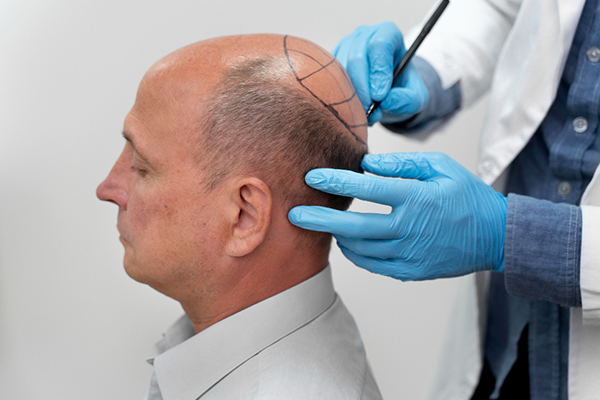
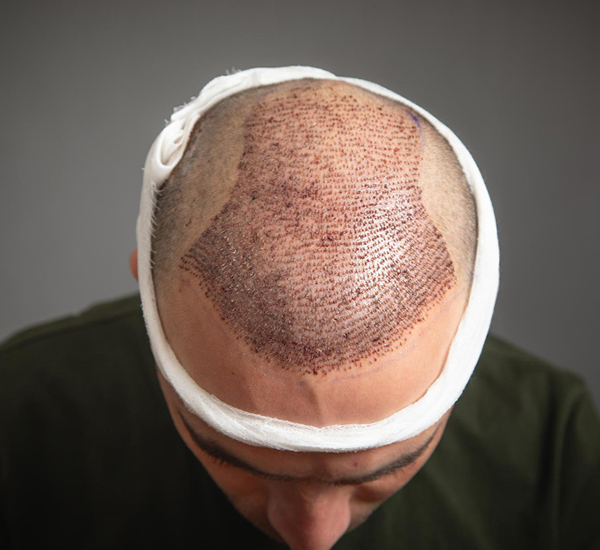
A hair transplant, also known as hair restoration surgery, is a procedure in which healthy hair follicles are taken from one part of the scalp and placed in areas where hair has become thin or is no longer growing.
There are many reasons hair loss can occur. For some people, the hairline gradually begins to recede. For some people, hair loss occurs as a thinning hair region in the crown area. For some people, hair loss can result in larger bald regions. Hair loss can affect the appearance of hair and can be psychologically harmful.
With a hair transplant, surgeons focus on the quality and density of the hair and place the donor hair follicles in the areas needing the most coverage.
The end result of a hair transplant depends on the quality and density of hair, the pattern of hair loss, and the overall quality of existing hair. The hairline is designed according to the face it is treating to accentuate the hairstyle it is framing.
In WFY Plastic Surgery, hair transplantation is designed based on the pattern of loss of hair as well as the condition of your scalp and donor hair. The team concentrates on creating a natural-looking hairline and enhancing coverage, without making the final look fake.
With more than 15 years of expertise and 6,000+ treatments, WFY Plastic Surgery offers personalized cosmetic and surgical services. When you are considering a hair transplant, the surgeon first determines the areas where hair loss is occurring, how much healthy hair donor hair is available, and whether your loss of hair is steady.
It is possible to discuss issues like a receding hairline or a thin crown, patches of baldness, or a decrease in hair density in your appointment. The surgeon will then be able to provide the number of grafts that you might require, the areas that can be covered, as well as what results can realistically be obtained.
The emphasis is on the natural hairline, careful grafting, and a suitable amount of coverage depending on your hair loss.
If you are looking for a hair transplant clinic in Gurgaon, you can meet the WFY team for a consultation and discuss your hair loss and treatment options.
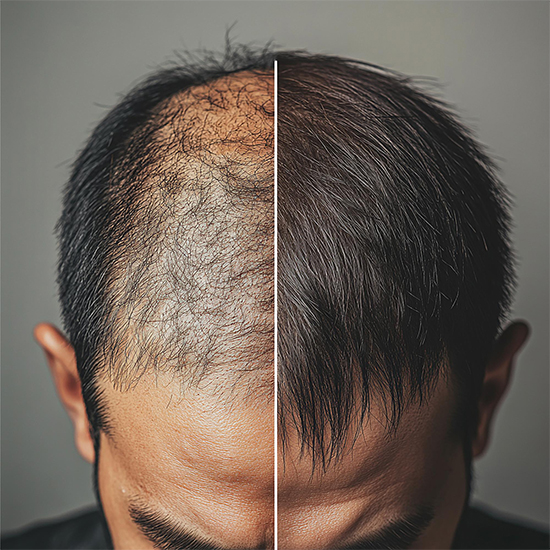
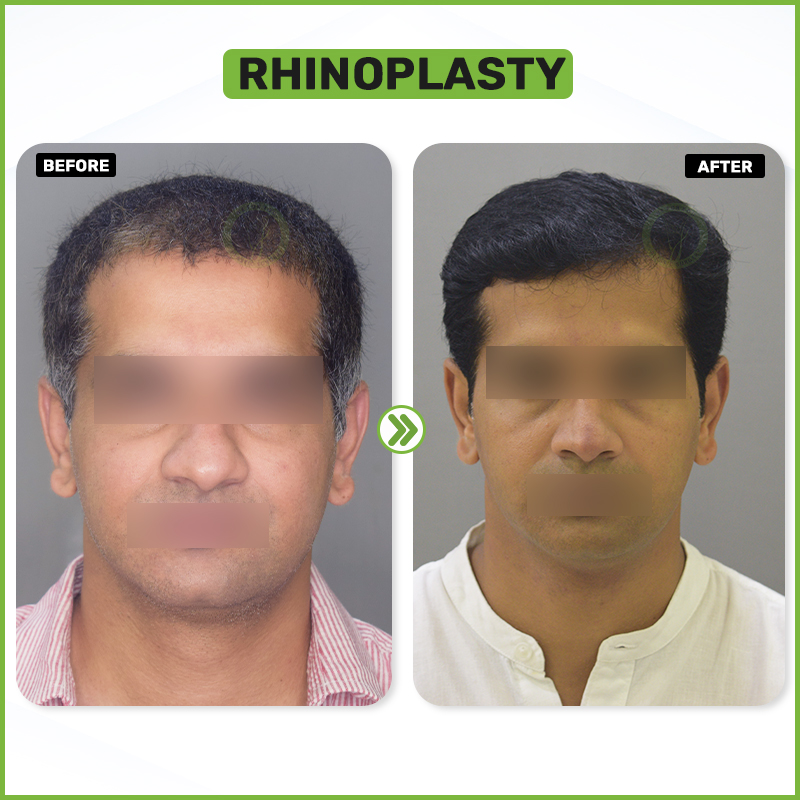
WFY Plastic Surgery has experienced and qualified plastic surgeons who perform hair restoration procedures. Your scalp, hair loss pattern, and donor area are assessed before planning the transplant.
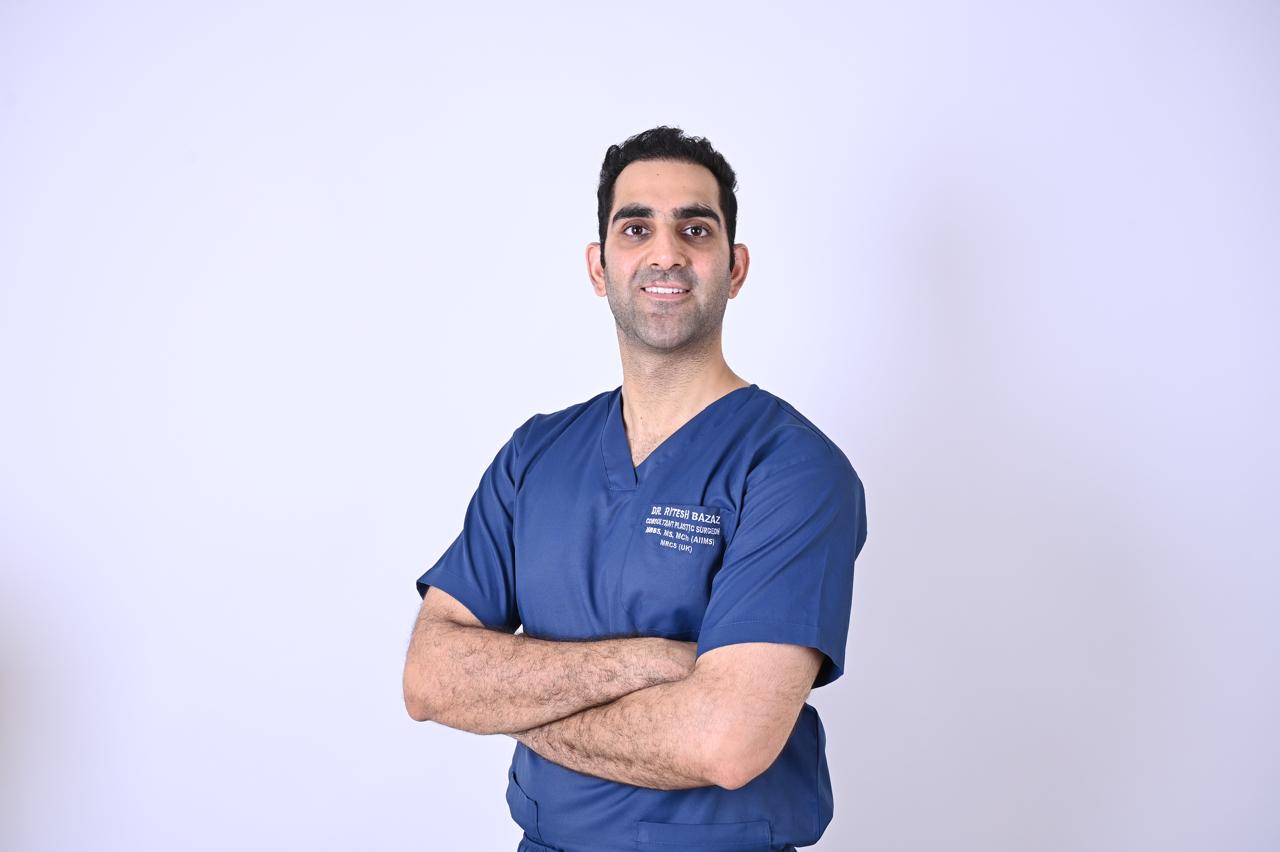
Known for meticulous contouring, natural-looking results and a patient-first surgical approach.
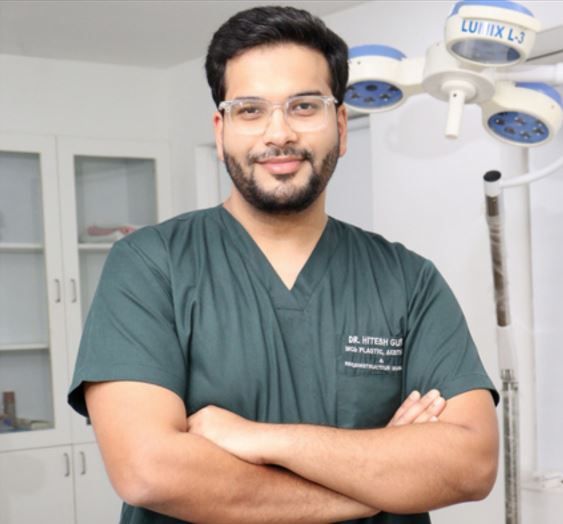
Specialist in body contouring, high-definition liposuction and advanced plastic surgery.
The hair transplant cost in Gurgaon starts at around ₹60,000. The final cost mainly depends on the number of grafts required, the technique used, and the extent of hair loss.
| HAIR TRANSPLANT PROCEDURE | APPROXIMATE COST |
|---|---|
| 1,000 Grafts | ₹60,000 – ₹90,000 |
| 1,500 Grafts | ₹75,000 – ₹1,10,000 |
| 2,000 Grafts | ₹90,000 – ₹1,35,000 |
| 2,500 Grafts | ₹1,10,000 – ₹1,60,000 |
| 3,000+ Grafts | ₹1,30,000 – ₹2,00,000+ |
A hair transplant may be suitable if you have permanent hair loss and enough healthy hair in the donor area to provide the required grafts. Your hair loss should also be assessed before deciding on surgery.
You may be suitable if you have:
Receding Hairline: Your hairline has gradually moved backwards.
Bald Patches: You have areas where hair has become very thin or stopped growing.
Crown Thinning: Hair around the crown has become noticeably thinner.
Pattern Hair Loss: You have a stable pattern of hair loss that can be treated with transplantation.
Healthy Donor Hair: You have enough strong hair in the donor area.
Good General Health: You are healthy enough for the procedure and recovery.
Realistic Expectations: You understand that the amount of new hair depends on your donor supply and existing hair.
If your hair loss is still progressing quickly, the surgeon may first suggest treating or controlling the ongoing hair loss before considering a transplant.
Hair transplantation can be planned for different areas depending on your pattern of hair loss:
The surgeon examines the scalp, hair loss pattern, and the donor region, and discusses the expected result.
If there is a need to reconstruct the front hairline, its position and design are determined according to the facial features.
The donor region is prepared in order to collect the hair follicles in good condition.
The grafts are removed from the donor region in a careful manner.
The collected follicles are examined and prepared for transplantation.
Small openings are created at the sites where the grafts will be transplanted.
The grafts are transplanted in a proper way, taking into account the direction and angle of the existing hair growth.
Instructions on the care of the scalp, washing, drugs, and physical activity after the operation are provided.
For people who are unhappy with thinning or bald areas, a transplant can provide a longer-term way to improve hair coverage.
Improves Hair Coverage: Adds hair to areas that have become thin or bald.
Restores the Hairline: Can give a receding hairline a fuller appearance.
Uses Your Own Hair: The transplanted follicles come from your own scalp.
Natural-Looking Growth: Proper placement helps the new hair blend with existing hair.
Long-Lasting Result: Transplanted follicles can continue producing hair for many years.
Improves Hair Density: Can make thinning areas look fuller when enough donor hair is available.
More Confidence: Many people feel more comfortable with their appearance after restoring lost hair.
Hair transplant recovery is usually gradual. Your scalp may feel tender, swollen or slightly tight during the first few days. Small scabs can also form around the transplanted grafts.
The scalp may be sensitive, and you may notice some swelling around the forehead. You will need to follow the washing and sleeping instructions given by your surgeon.
Small scabs usually remain around the transplanted follicles. You should avoid scratching or rubbing the scalp and continue taking care of the area as advised.
The scalp generally starts looking better, and most of the visible scabs settle. The transplanted hair may still look uneven at this stage.
Some of the transplanted hair may shed. This can be a normal part of the process because the follicles remain in the scalp even when the visible hair falls out.
New hair growth usually starts gradually. The change may not be very noticeable at first, so patience is important.
The new hair becomes more visible, and the treated areas start looking fuller. Growth continues to improve over the following months.
The transplanted hair becomes thicker, and the overall result is easier to judge. Some patients may continue to see improvement beyond one year.
Hair transplant is a surgical procedure, so some temporary problems can occur during recovery. Most are manageable with proper aftercare.
Possible complications include:Swelling: Mild swelling can occur around the scalp or forehead.
Redness: The treated areas may remain red for some time.
Scabbing: Small scabs can form around the transplanted grafts.
Bleeding: Minor bleeding can occur after the procedure.
Infection: An infection can develop, although it is uncommon with proper care.
Temporary Numbness: The scalp may feel numb or different for some time.
Uneven Growth: Hair may not grow at exactly the same rate in every area.
Poor Graft Growth: Some transplanted follicles may not grow as expected.
Visible Scarring: Small scars may remain in the donor area depending on the technique used.
Need for Another Session: A second procedure may sometimes be considered for additional density.
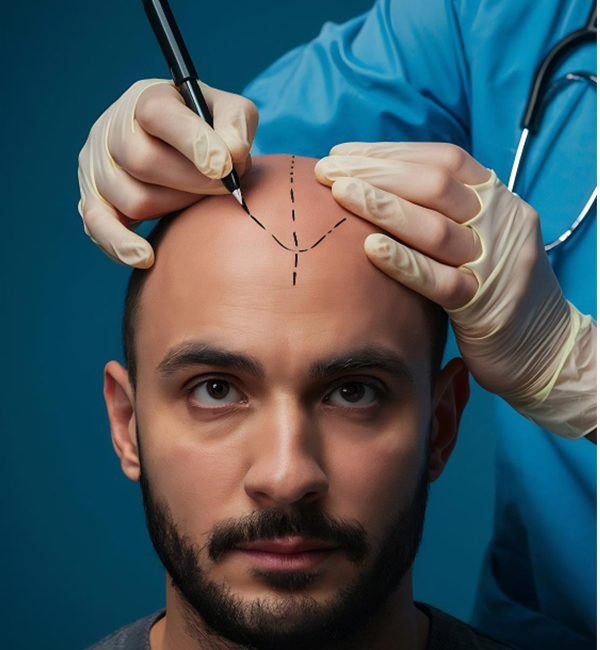
A successful hair transplant requires more than simply the grafting of grafts into areas that have lost their hair. Planning needs to be done on the hairline, graft positioning, and available donor hair.
Your hair and scalp are analyzed by professional plastic surgeons.
Graft numbers and areas of treatment are planned based on your hair loss.
The hairline is created according to your facial profile and age.
Grafts are positioned based on the natural angle of your hair.
Available donor hair is assessed to plan the amount of coverage to be achieved.
You are given directions regarding scalp care, washing, medications, and follow-up.
No page can explain the experience better than the people who have lived it. Watch our patients talk about their decision, their surgery day, and life after liposuction at WFY.
The transplanted hair is designed to give a lasting result. But your natural hair in the transplanted region may be thinned, and any loss of hair that continues requires treatment.
There is no set number for every person. It's based on the dimensions of your areas that are thinning or bald, as well as your hair's density and the amount of donor hair that you have.
If you have your hairline and transplants have been planned and positioned correctly, the hair transplanted can blend into your hair's existing style and look natural.
The scalp is numbed throughout the procedure, which means there should be no significant pain when the grafts are being removed and placed. There may be some tightness or soreness that can be experienced following the procedure.
Hair growth occurs gradually. It is usually noticeable within the first few months, whereas the longer-lasting result can take 9-12 months or more to grow.
Take the first step towards your aesthetic goals. Book a personalised consultation with our experienced plastic surgery team and discover the treatment that's right for you.