WFY Plastic Surgery offers breast reduction surgery in Gurgaon for women who feel their breasts are too large, heavy or uncomfortable. The procedure can reduce excess breast tissue, fat and skin while creating a smaller and more balanced breast shape suited to your body.


The breast reduction procedure is a treatment for women who believe their breasts are excessively large, too heavy, or uncomfortable. The procedure eliminates excess skin and breast tissue, making the breasts slimmer and less heavy. It can also enhance the overall shape of the breasts.
Some women's large breasts can cause shoulder or neck pain in the neck, back, or shoulders. Bra straps can leave a lot of marks, and sweating and rubbing beneath the breasts may cause irritation. The size of the breasts can make exercising, doing daily chores, and finding clothes that are well-fitting difficult.
The procedure isn't just focused on reducing the size. The breasts are also reshaped at the same time as the nipples, which are generally moved into a better place. The amount of tissue removed is dependent on the size and shape of your breast, your body type, and the shape you'd like to achieve after the procedure. The goal is to create smaller but more comfortable and better-shaped breasts that appear natural and are more comfortable to wear.
At WFY Plastic Surgery, breast reduction is planned around your breast size, body shape, and the problems you are facing. During the consultation, you can openly discuss pain, discomfort, difficulty with exercise, clothing problems, or concerns about how your breasts look.
WFY Plastic Surgery is led by experienced plastic surgeons and offers breast reduction along with other breast procedures. The clinic follows an individual approach rather than using the same amount of reduction for every woman.
The surgeon checks the size and shape of your breasts, the quality of your skin, and the position of your nipples before planning the surgery. You can also discuss how much smaller you would like your breasts to be.
The goal is to reduce the weight and size while keeping the new shape natural and suitable for your body.
If you are looking for a breast reduction clinic in Gurgaon, you can meet the WFY team to discuss your concerns and understand what kind of reduction may be right for you.

WFY Plastic Surgery has experienced and qualified plastic surgeons who perform breast procedures. Your breast size, shape, skin, and body proportions are checked before the surgical plan is made.
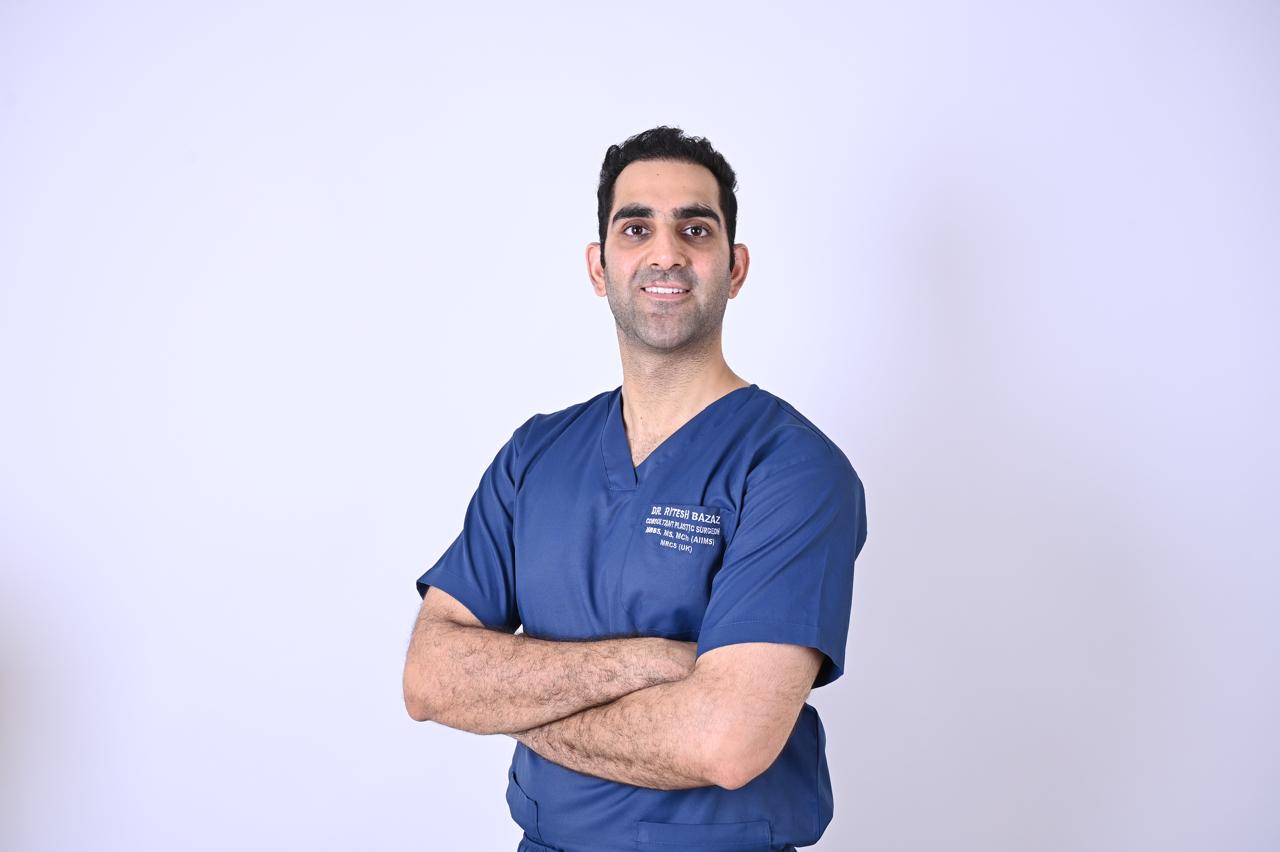
Known for meticulous contouring, natural-looking results and a patient-first surgical approach.

Specialist in body contouring, high-definition liposuction and advanced plastic surgery.
The breast reduction cost in Gurgaon starts at around ₹1,25,000. The final cost depends on the amount of tissue being removed, the technique used, anaesthesia, and other charges related to the surgery.
| BREAST REDUCTION PROCEDURE | APPROXIMATE COST |
|---|---|
| Standard Breast Reduction | ₹1,25,000 – ₹1,75,000 |
| Breast Reduction with Lift | ₹1,40,000 – ₹2,00,000 |
| Breast Reduction with Liposuction | ₹1,25,000 – ₹1,80,000 |
| Breast Reduction for Significant Asymmetry | ₹1,50,000 – ₹2,10,000+ |
| Revision Breast Reduction | ₹1,75,000 – ₹2,50,000+ |
Breast reduction might be right for you if your breast size makes everyday life uncomfortable or you want a smaller size that feels more in tune with your body. You also need to be healthy enough for surgery and the healing period afterward.
You could be a good candidate if you have:
Large or Heavy Breasts: Breasts that feel too heavy or out of proportion with your body.
Back, Neck or Shoulder Pain: Discomfort that may be related to the weight of your breasts.
Bra Strap Marks: Deep dents or pressure marks on your shoulders caused by bra straps.
Skin Irritation: Rashes, sweating or chafing beneath the breasts.
Trouble Exercising: Difficulty with running, workouts or other activities because of breast size or weight.
Clothing Problems: Difficulty finding bras, tops or other clothes that fit comfortably.
Stable Weight: Your weight has remained fairly stable.
Good General Health: You are healthy enough for surgery and recovery.
Realistic Expectations: You understand that breast reduction can reduce and reshape the breasts but cannot guarantee a specific cup size.
Your surgeon will assess your breasts and discuss how much reduction can be safely performed based on your individual situation, body proportions and desired outcome.
Breast reduction can help with several concerns related to larger or heavier breasts:
The surgeon examines your breasts and discusses the shape and size you would like after surgery.
The amount of skin and tissue to be removed is planned according to your body and the amount of reduction required.
Breast reduction is typically performed under general anaesthesia.
The type of incision depends on the extent of reduction needed and may include an incision around the areola, along the breast and, when required, the breast crease.
Additional breast tissue, fat and skin are removed to reduce the size and weight of the breasts.
The remaining breast tissue is brought together and reshaped to create a smaller and more balanced breast.
The nipple and areola are repositioned to a more suitable location on the newly shaped breast.
The incisions are carefully closed, followed by dressings and a supportive garment for recovery.
Breast reduction can help reduce the size and weight of large or heavy breasts while reshaping them to create a more comfortable and balanced appearance.
Reduces Breast Size: Reduces the overall size and weight of large or heavy breasts.
Less Back, Neck and Shoulder Strain: Reducing breast weight may help relieve discomfort and pressure on the back, neck and shoulders.
Easier Physical Activity: Smaller and lighter breasts may make walking, running, exercise and other physical activities more comfortable.
Improves Skin Comfort: Reducing breast size can help reduce sweating, rubbing and irritation beneath the breasts.
Better Clothing Fit: Smaller breasts may make bras, tops and other clothing more comfortable to wear and easier to fit.
Improves Breast Shape: Removes excess tissue and reshapes the breasts to create a smaller and more balanced appearance.
Recovery after breast reduction takes time because breast tissue and skin are removed and the breasts are reshaped. Swelling, soreness, tightness and bruising are common during the early stages of healing.
The breasts may feel tender, tight and swollen after surgery. Rest is important during this stage, along with wearing the support garment recommended by your surgeon.
Discomfort usually starts to improve during the first week. Light walking may be encouraged, but heavy lifting and activities that put pressure or strain on the breasts should be avoided.
You may feel comfortable enough to return to light work if your healing is progressing well. Some swelling may still be present, and the final breast size will not yet be fully visible.
Swelling and bruising generally continue to improve. You may gradually resume more normal activities as advised by your surgeon, although strenuous exercise may still need to be avoided.
The breasts continue to soften and settle into their new shape. Swelling gradually decreases and the results become more noticeable as healing progresses.
The breast shape becomes more stable as healing continues. Surgical scars gradually soften and fade, although scar maturation can take longer.
Breast reduction is a surgical procedure and, like any surgery, has some possible risks and complications. Most women recover well, but healing can vary from person to person.
Possible complications include:Bleeding: Blood can collect inside the breast after surgery and may sometimes require additional treatment.
Infection: An infection can develop around the surgical area and may require medication or further treatment.
Delayed Healing: Some parts of the incision may take longer than expected to heal during recovery.
Visible Scars: Breast reduction leaves surgical scars, which usually become softer and lighter with time.
Changes in Sensation: The breasts or nipples may feel more or less sensitive after surgery, particularly during the healing period.
Breast Asymmetry: The two breasts may heal differently and may not be perfectly identical in size or shape.
Nipple Changes: The position or sensation of the nipples can change following breast reduction surgery.
Breastfeeding Problems: Some women may experience difficulty breastfeeding after breast reduction surgery.
Tissue Damage: In rare cases, part of the skin or breast tissue may not receive enough blood supply during healing.
Further Surgery: Another procedure may sometimes be needed because of healing problems, asymmetry or other complications.

Breast reduction is planned around your breast size, shape, body proportions and the discomfort you may be experiencing. WFY focuses on creating a smaller, more comfortable and natural-looking breast shape.
WFY's plastic surgery team brings more than 15 years of experience across plastic and cosmetic surgery.
The team has performed more than 6,000 surgical and aesthetic procedures across a wide range of treatment needs.
Your surgery is performed by qualified plastic surgeons with experience in breast reduction and other breast procedures.
Your breast size, shape, skin quality, nipple position and body proportions are assessed before surgery.
The amount of breast tissue and skin to be removed is planned according to your anatomy and the level of reduction required.
The procedure can help address problems associated with heavy breasts, including discomfort and difficulty with everyday activities.
The remaining breast tissue is reshaped to create a smaller and more balanced appearance suited to your body.
You receive guidance regarding medicines, supportive garments, physical activity, lifting restrictions and follow-up care during recovery.
No page can explain the experience better than the people who have lived it. Watch our patients talk about their decision, their surgery day, and life after breast reduction at WFY.
It may help if the discomfort is related to the weight and size of your breasts. Reducing excess breast tissue can reduce the strain caused by heavy breasts. Your surgeon can assess your symptoms and determine whether breast reduction may help.
There is no fixed size that applies to every woman. The final size depends on your breast size, body shape, skin quality, breast tissue and the amount of tissue that can be safely removed. Your desired size can be discussed during your consultation.
Yes. Breast reduction removes excess skin and breast tissue while reshaping the remaining tissue. The nipples are also usually repositioned to a more suitable position, which can create a smaller, lifted and more balanced breast shape.
Yes. Incisions are required to remove excess skin and tissue, so some scarring is expected after breast reduction. The scars usually become softer and lighter with time, although they do not disappear completely. Your surgeon will discuss the expected scar pattern before surgery.
Some women are able to breastfeed after breast reduction, while others may have difficulty depending on the surgical technique and the amount of breast tissue removed. If you are planning to breastfeed in the future, discuss this with your surgeon before surgery.
Take the first step towards your aesthetic goals. Book a personalised consultation with our experienced plastic surgery team and discover the treatment that's right for you.