At WFY Plastic Surgery, mole removal in Gurgaon is offered for people who want to remove a mole that they find bothersome, noticeable or uncomfortable. Depending on the mole and its location, removal may be done using a suitable procedure such as surgical excision, shave removal or another appropriate method.
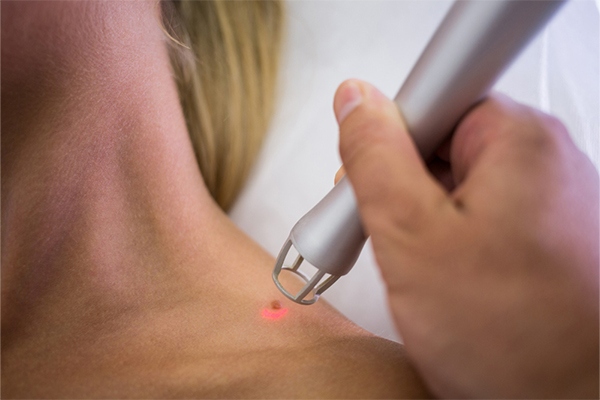
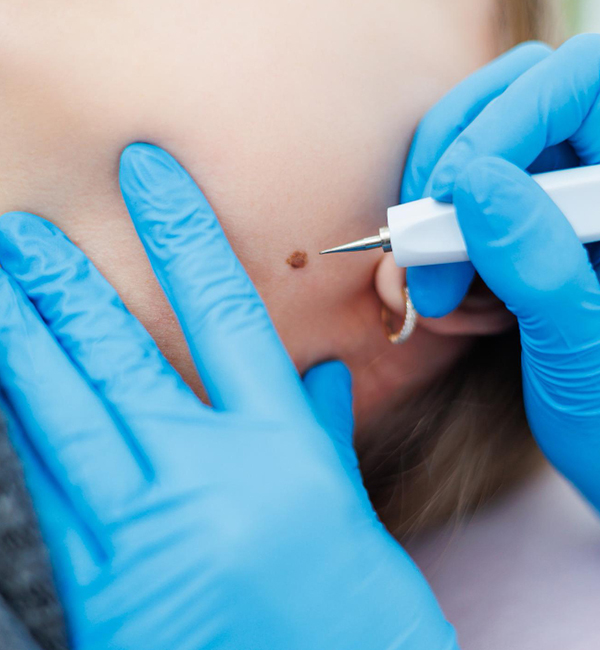
A mole, also called a nevus, is a skin growth that can occur anywhere on the body. Some are present at birth, and others manifest later in life. Moles can be flat or raised and vary in color and size.
Chiefly, cosmetic concerns prompt removal requests when a mole is present in a visible area, particularly the face. There can be other reasons for removal, especially when the mole is in a location that is continually in contact with clothing, jewelry, or during repeated shaving.
There are a number of important things to consider before a removal. Size and depth of the mole are key considerations, as are the location and appearance. A small, raised mole may require a totally different approach from a deeper, more prominent mole.
The goal is to perform a safe removal of the mole while taking into account the area to be treated. Since how the mole looks is important, abnormal moles should be further evaluated before removal is performed.
At WFY Plastic Surgery, mole removal starts with a proper examination of the mole and the surrounding skin. Some people come in because they simply do not like the way a mole looks. Others have a mole that keeps getting irritated or is in a difficult location.
Having 15+ years of experience and having performed 6,000+ treatments, WFY Plastic Surgery provides different types of cosmetic and surgical procedures depending on personal needs. The technique that will be applied for the removal of the mole depends on the type of mole and its location.
For example, the mole that is situated on the face should be treated using a different technique than the mole on the body. It is necessary to consider the size and the depth of the mole while choosing the right method.
If you are going to undergo mole removal in Gurgaon, it is possible to contact the specialists from WFY Plastic Surgery.
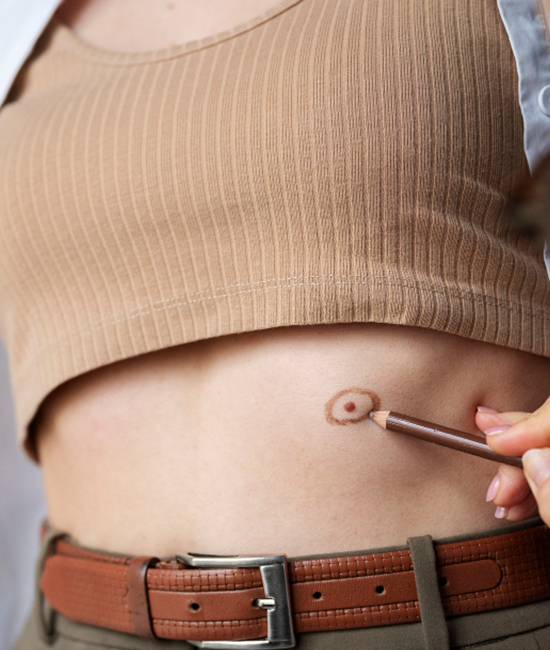
The cost of mole removal in Gurgaon depends on the number of moles, their size, location and the method required for removal. Small moles may need a simpler procedure, while larger or deeper moles may involve a more detailed treatment.
| TYPE OF MOLE REMOVAL | APPROXIMATE COST |
|---|---|
| Small Mole Removal | ₹3,000 – ₹8,000 |
| Raised Mole Removal | ₹5,000 – ₹12,000 |
| Surgical Mole Removal | ₹8,000 – ₹20,000+ |
| Multiple Mole Removal | Depends on the number and size |
| Mole Removal with Biopsy | Depends on the procedure required |
Mole removal may be considered for different cosmetic or practical reasons, depending on the location, size and appearance of the mole.
Moles on the Face - A visible mole on the face may bother some people, especially when it affects how they feel about their appearance.
Repeated Irritation - Moles that keep rubbing against clothing, jewellery or other objects can become uncomfortable.
Moles Affected by Shaving - A raised mole in the beard area may get cut repeatedly while shaving.
Cosmetic Concerns - Some people simply prefer to remove a mole that they find too noticeable.
Raised Moles - A prominent mole can be removed when it causes discomfort or becomes an unwanted feature.
Multiple Moles - In some cases, more than one mole may be removed during the same treatment plan.
A mole should always be examined before removal so that the doctor can determine the appropriate treatment method.
The method of mole removal depends on the type of mole, its size, depth, location and overall appearance.
The mole is examined carefully to understand its type and whether removal is suitable. Your concerns about appearance, discomfort or irritation are also discussed.
The size, location and depth of the mole help determine the right approach. The doctor explains the procedure and what to expect.
The skin around the mole is cleaned before the procedure. Local anaesthesia may be used to numb the treatment area.
The mole is removed using the selected technique. The procedure may involve surgical excision, shave removal or another suitable method.
If surgical excision is performed, the skin may be closed with stitches. Smaller treatment areas may not require sutures.
You are given instructions about keeping the area clean, dressing care and when to return for a follow-up.
Mole removal can help address cosmetic concerns as well as moles that cause repeated irritation or discomfort.
Improves Appearance - Removing a visible mole may help people feel more comfortable with their appearance.
Reduces Repeated Irritation - Moles that keep rubbing against clothing or jewellery can become easier to manage after removal.
Helps with Shaving - Removing a raised mole can prevent repeated cuts and irritation during shaving.
Targeted Treatment - The procedure focuses only on the mole and the surrounding treatment area.
Usually a Short Procedure - Many mole removal procedures can be completed without a long hospital stay.
Can Remove More Than One Mole - Depending on the treatment plan, multiple moles may be addressed during the same visit.
Recovery after mole removal depends on the method used and the size of the treatment area. Smaller removals usually heal faster, while surgical excision may take longer.
The area may remain numb for some time if local anaesthesia has been used. Mild soreness can develop once the numbness starts wearing off.
Keep the treated area clean and dry as advised. You may need to change the dressing and avoid scratching or picking at the healing area.
The area gradually heals during this period. If stitches were used, they may be removed at the follow-up visit according to the location of the treatment.
A small mark or scar can remain after mole removal. The appearance usually changes as the skin heals over time, and proper sun protection is important.
Mole removal is a common procedure, but like any skin procedure, it can have some risks and temporary side effects.
Possible complications include:Scarring - Some degree of scarring can occur after removal, particularly with deeper or larger moles.
Redness and Swelling - Mild redness or swelling may be present during the early healing period.
Bleeding - Minor bleeding can occur immediately after the procedure.
Infection - Infection is possible if the treated area is not cared for properly.
Changes in Skin Colour - The skin may become lighter or darker around the treatment area.
Mole Recurrence - In some cases, pigment or part of the mole may return depending on the removal method and the type of mole.
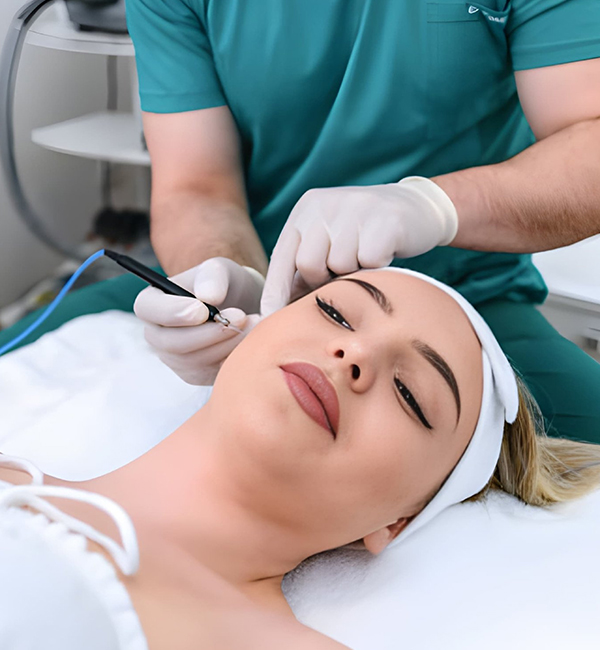
Removing a mole is not only about taking it off. The right method depends on what the mole looks like, how deep it is and where it is located.
The WFY team has more than 15 years of experience in surgical and aesthetic treatments.
The team has performed more than 6,000 procedures across different treatment areas.
The mole is assessed before deciding on the appropriate removal method.
Different approaches can be used depending on the type, size, depth and location of the mole.
Care is taken to consider the appearance of the treated area, especially when removing visible moles.
Clear instructions are provided to support proper healing and care after the procedure.
No page can explain the experience better than the people who have lived it. Watch our patients talk about their decision, their surgery day, and life after liposuction at WFY.
The area where the mole will be treated is numbed before the procedure, so you should not experience significant pain during the treatment. Some soreness or tenderness may remain for a short time after the procedure.
There is a possibility of a scar after mole removal, especially when the mole is larger or deeper. The final appearance can depend on the removal method, size, depth and location of the mole.
Some moles may recur after removal depending on the type of mole and the technique used. Your doctor can explain the possibility of recurrence based on your individual case.
Smaller treatment areas may heal within a few days to a couple of weeks. If surgical removal is performed, healing may take longer depending on the size and location of the treated area.
Many moles can be removed, but the appropriate treatment depends on their appearance, size, depth and location. The mole should be examined before removal so that the most suitable approach can be selected.
Take the first step towards your aesthetic goals. Book a personalised consultation with our experienced plastic surgery team and discover the treatment that's right for you.