At WFY Plastic Surgery, diabetic foot surgery in Gurgaon helps treat serious foot ulcers, infections, damaged tissue, and other complications associated with diabetes. Treatment is planned according to the condition of the wound, surrounding tissue, and overall health of the patient.
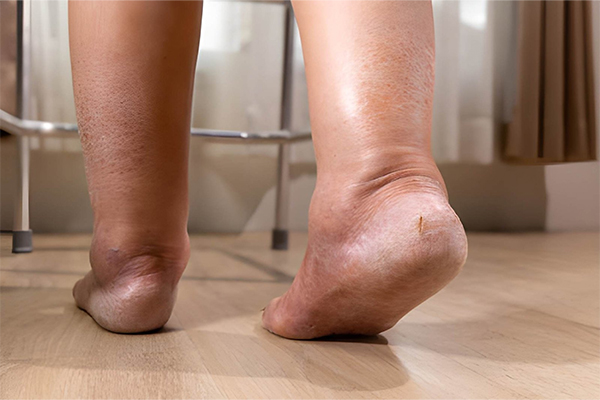

Diabetic Foot Surgery, also known as diabetic foot ulcer surgery, is performed to address complex foot injuries caused by diabetes. Surgery may be necessary to manage chronic wounds or infections that do not heal or continue to penetrate deeper into the foot.
Diabetes may affect the blood supply and the nerves in the foot. Due to these effects, a person may not feel the presence of injuries. An injury may then become the starting point of a chronic diabetic foot ulcer.
Surgery may include cleaning and dressing the wound, removal of dead or infected tissues, incision and drainage of an infected mass or abscess, or addressing infection of the deeper structures of the foot.
Other, more extensive surgery may be performed for severe foot infections. The focus of surgery may include controlling infection and promoting healing of the diabetic foot ulcer.
At WFY Plastic Surgery, assessment of your diabetic foot is carried out in detail before deciding whether you need a surgical procedure. Your doctor will assess the wound, the surrounding tissue, and any signs of infection to determine the severity of your condition and the most appropriate way to treat it.
With over 15 years of experience and more than 6,000 procedures performed, WFY Plastic Surgery offers personalised surgical procedures. You can consult the team for conditions such as an unhealing ulcer, infection, swelling, discharge, necrotic tissue, or other diabetic foot complications.
Your treatment will depend on the condition of your foot. In some cases, the wound may need to be cleaned and unhealthy tissue removed, while other cases may require drainage or more extensive surgery depending on the depth and severity of the infection.
Early assessment and appropriate treatment can help control infection, protect healthy tissue, and support the healing of the affected foot. Your doctor will determine the most suitable treatment based on the condition of your wound and overall health.
If you are looking for a professional Diabetic Foot Surgery Clinic in Gurgaon, you can consult the WFY Plastic Surgery team to discuss your diabetic foot condition and available treatment options.
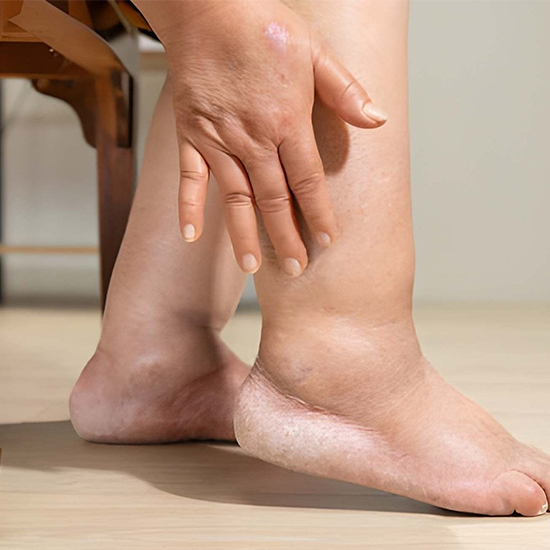


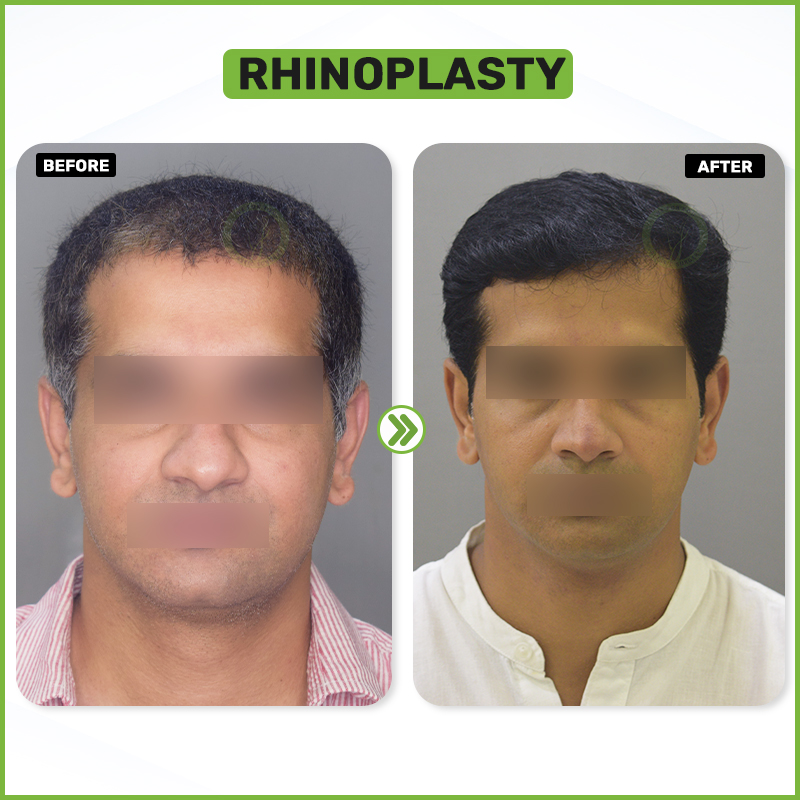
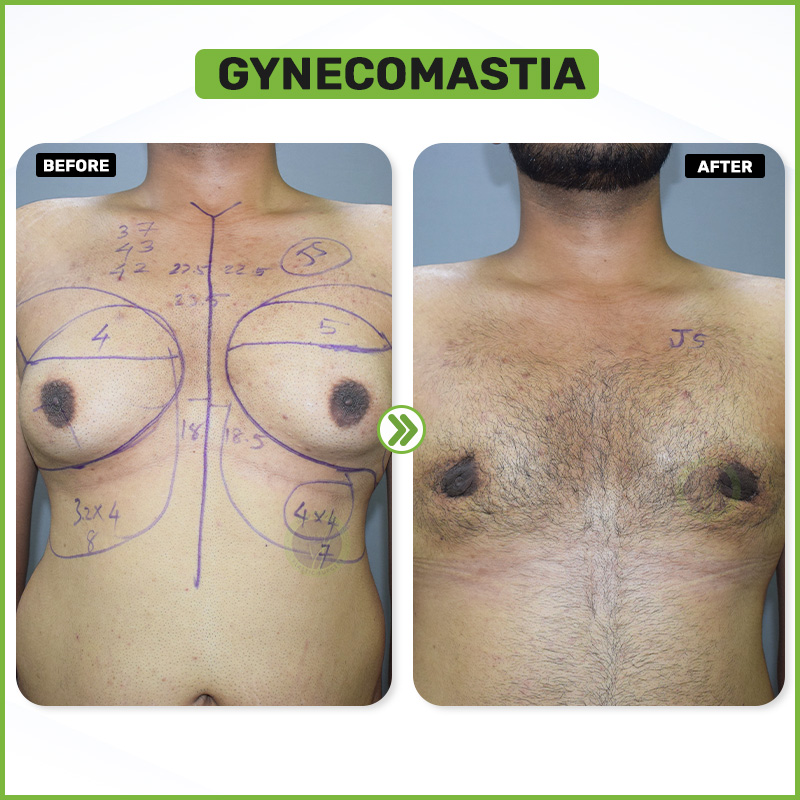


WFY Plastic Surgery has experienced and qualified doctors who assess diabetic foot wounds, infections, and tissue damage before planning the appropriate treatment.
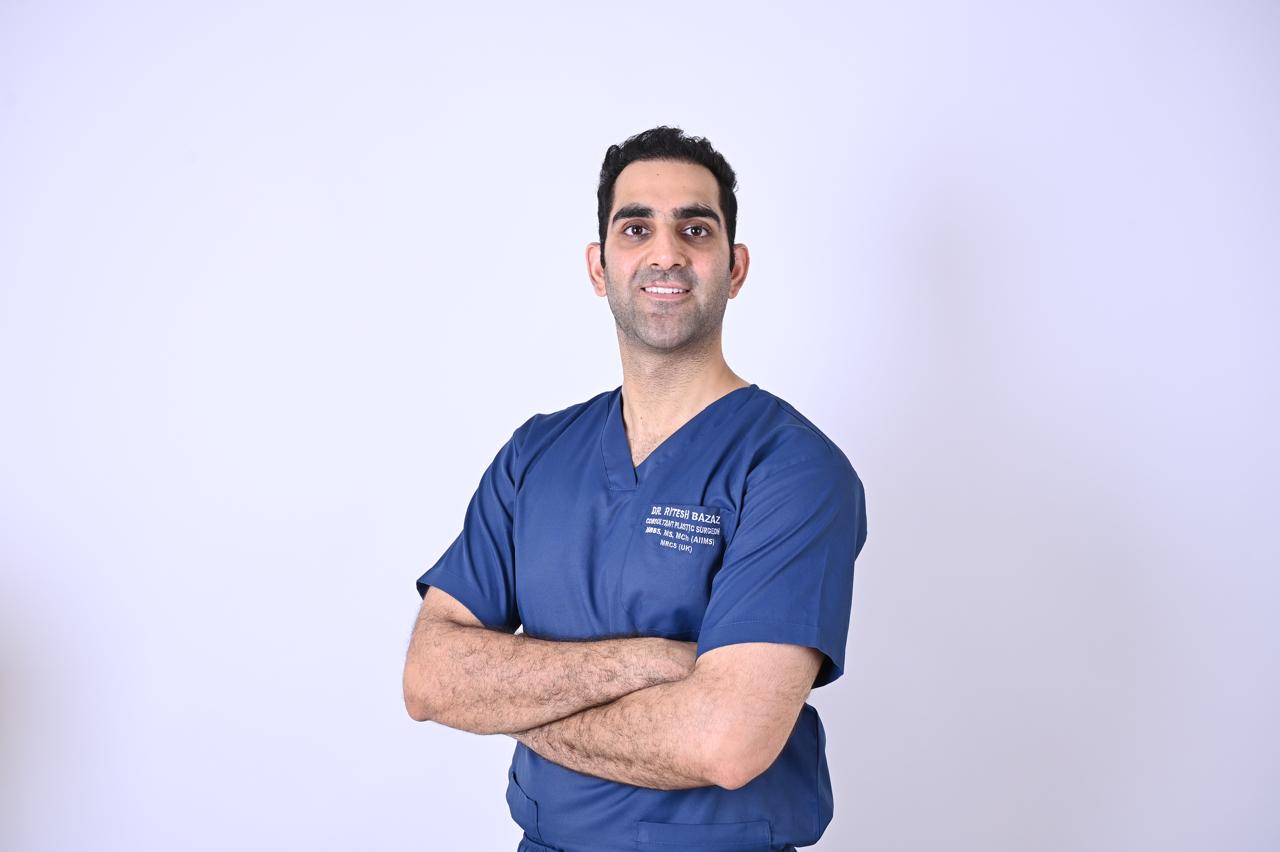
Known for meticulous contouring, natural-looking results and a patient-first surgical approach.

Specialist in body contouring, high-definition liposuction and advanced plastic surgery.
The diabetic foot surgery cost in Gurgaon depends on the type of procedure, the severity of the wound or infection, and the treatment required. The final cost may also vary if hospital admission, dressings, medicines, or additional procedures are needed.
| DIABETIC FOOT TREATMENT | APPROXIMATE COST |
|---|---|
| Wound Debridement | ₹25,000 – ₹50,000 |
| Diabetic Foot Ulcer Surgery | ₹40,000 – ₹80,000 |
| Abscess Drainage | ₹30,000 – ₹60,000 |
| Complex Diabetic Foot Surgery | ₹75,000 – ₹1,50,000+ |
Surgery for diabetic foot is recommended when there is a significant foot problem that cannot be adequately managed with wound care, medicines, or other non-surgical treatments.
You may be suitable for surgery if you have:
Non-Healing Wound: You have an open wound that is taking too long to heal despite appropriate wound care.
Diabetic Foot Ulcer: You have a deep or persistent foot ulcer that has not improved with conservative treatment.
Severe Infection: The infection has progressed or is not responding adequately to medicines and wound care.
Dead Tissue: Damaged or dead tissue needs to be removed to help control infection and support wound healing.
Foot Abscess: There is a collection of pus in the foot that may require surgical drainage.
Gangrene: There is severe tissue damage caused by infection or reduced blood supply that requires medical or surgical treatment.
Bone Infection: The infection has spread from the wound into the deeper tissues or bones of the foot.
Your doctor will examine the foot, assess the wound and surrounding tissue, and determine whether surgery is required and which treatment approach may be appropriate.
Different foot problems can develop in people with diabetes, and the treatment depends on how serious the condition has become.
The doctor examines the wound, surrounding skin, and overall condition of the foot. Tests may also be recommended to assess the extent of infection and the blood supply to the affected area.
The type of surgery is determined based on the location and severity of the wound, infection, or tissue damage. The goal is to treat the affected area while preserving healthy tissue whenever possible.
The affected area is cleaned and prepared before the procedure. Anaesthesia is used according to the nature and severity of the surgery being performed.
Depending on the condition, the wound may be treated, infected or dead tissue may be removed, or an abscess may be drained. A deeper infection may require a more extensive surgical procedure.
After the procedure, the wound is cleaned and managed appropriately. The doctor will decide whether the wound should be closed or allowed to heal gradually with regular dressings and wound care.
Follow-up visits are important to monitor wound healing and recovery after surgery. You will also receive instructions about wound care, foot protection, and activities to follow during the recovery period.
In cases where surgery is necessary, it can help control the condition, treat the affected area, and reduce the risk of further tissue damage.
Controls Infection: Surgery can help remove infected tissue and reduce the risk of the infection spreading to other areas of the foot.
Removes Damaged Tissue: Removal of unhealthy or damaged tissue can help create better conditions for wound healing.
Treats Severe Cases: Surgery may help manage wounds, infections, or other serious foot problems that are not responding to conventional treatment.
Protects Healthy Tissue: Appropriate treatment can help limit damage to the surrounding healthy tissues.
Improves Wound Care: Treating the underlying wound or infection can make ongoing wound care and dressing management easier.
Reduces Risk of Complications: Appropriate and timely treatment may help reduce the risk of complications associated with serious diabetic foot problems.
Recovery after diabetic foot surgery depends on the type of procedure, size of the wound, and overall control of diabetes. Some wounds may heal within weeks, while more serious conditions can take longer.
The treated foot may feel sore, swollen, or sensitive after surgery. Regular dressings and medicines may be needed during the early stage of recovery.
The wound is checked to see whether it is healing properly. You may be advised to avoid putting pressure or weight on the affected foot.
The wound continues to heal, although the recovery period can vary from person to person. Regular dressing changes and follow-up may still be required.
Some diabetic foot wounds take longer to heal and need continued care. Keeping the wound clean and following your doctor's instructions remain important during recovery.
Regular follow-up allows the doctor to monitor healing and identify any signs of infection early. Proper blood sugar management is also important during recovery.
Diabetic foot surgery can involve certain risks, particularly when there is severe infection, poor circulation, or delayed wound healing. Your doctor will assess your condition and explain the possible risks before treatment.
Possible complications include:Delayed Healing: The wound may take longer to heal because diabetes can affect the normal healing process.
Persistent Infection: In some cases, the infection may continue and require further treatment.
Bleeding: Minor bleeding can occur from the treated area after surgery.
Swelling: The foot may remain swollen for some time during the recovery period.
Pain: Some discomfort may be present while the treated area is healing.
Wound Problems: The wound may heal slowly or reopen in some cases.
Further Tissue Damage: A severe infection can cause more tissue damage if it is not controlled.
Further Surgery: Another procedure may be needed if the wound or infection does not improve.
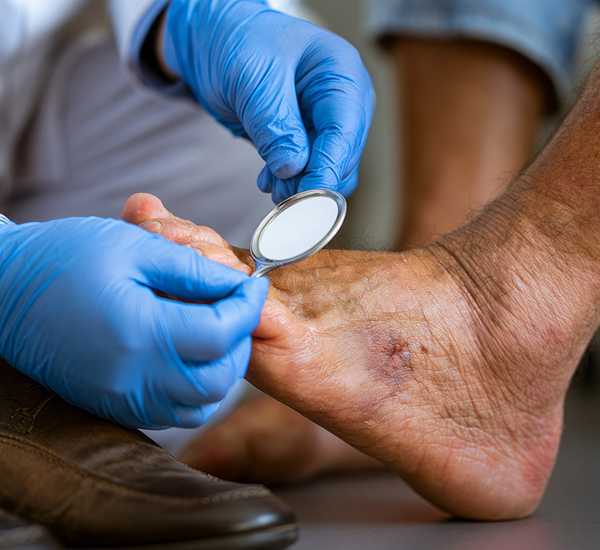
Diabetic foot problems need proper assessment because even a small wound can become serious when healing is delayed or infection develops. At WFY Plastic Surgery, treatment is planned according to the actual condition of your foot.
WFY Plastic Surgery brings more than 15 years of experience in surgical treatments and patient care.
The team has performed more than 6,000 procedures across different surgical and cosmetic treatments.
The wound, surrounding tissue, and signs of infection are checked before planning the appropriate treatment.
The procedure is selected according to the actual condition, severity, and requirements of your foot.
Treatment focuses on addressing the affected area while preserving healthy tissue wherever possible.
Patients receive guidance about wound care, medicines, foot protection, and follow-up after surgery.
No page can explain the experience better than the people who have lived it. Watch our patients talk about their decision, their surgery day, and life after liposuction at WFY.
It depends on the type of procedure performed and the condition of your foot during recovery. You may be advised to avoid putting pressure or weight on the affected foot for a specific period. Your doctor will guide you about when you can gradually resume walking.
The need for hospitalisation depends on the procedure performed and the severity of the diabetic foot condition. Smaller procedures may not require a long hospital stay, while more serious infections or extensive surgery may require closer monitoring.
An untreated diabetic foot wound or infection can spread to deeper tissues and may lead to serious complications. A foot wound showing signs of infection should be assessed and treated promptly.
Yes. New ulcers or wounds can develop if factors such as pressure, reduced sensation, poor circulation, or other underlying problems continue. Regular foot care and proper management of diabetes remain important after surgery.
The frequency of follow-up depends on the condition of the wound and the type of procedure performed. Your doctor will advise you when to return for wound examination, dressing changes, and further follow-up.
Take the first step towards your aesthetic goals. Book a personalised consultation with our experienced plastic surgery team and discover the treatment that's right for you.