WFY Plastic Surgery offers personalized gynecomastia treatment to reduce excess chest tissue and create a flatter, firmer, and more natural-looking chest.


Gynecomastia refers to a condition where a man grows more breast tissue than is normal, and causes the chest to appear larger or larger. It's also referred to as male breast growth. It may affect just one part of your chest, or both sides, and be present at various stages of life.
The condition may be related to hormone changes and weight gain, drugs, genetics, or other causes. For some males, the growth is due to fat tissue, and in others, the real breast gland tissue is the cause.
For some men, gynecomastia can be seen as a slight fat around the nipple region, and some may experience larger, more prominent enlargements over the chest. It may also be accompanied by tenderness or sensitivity.
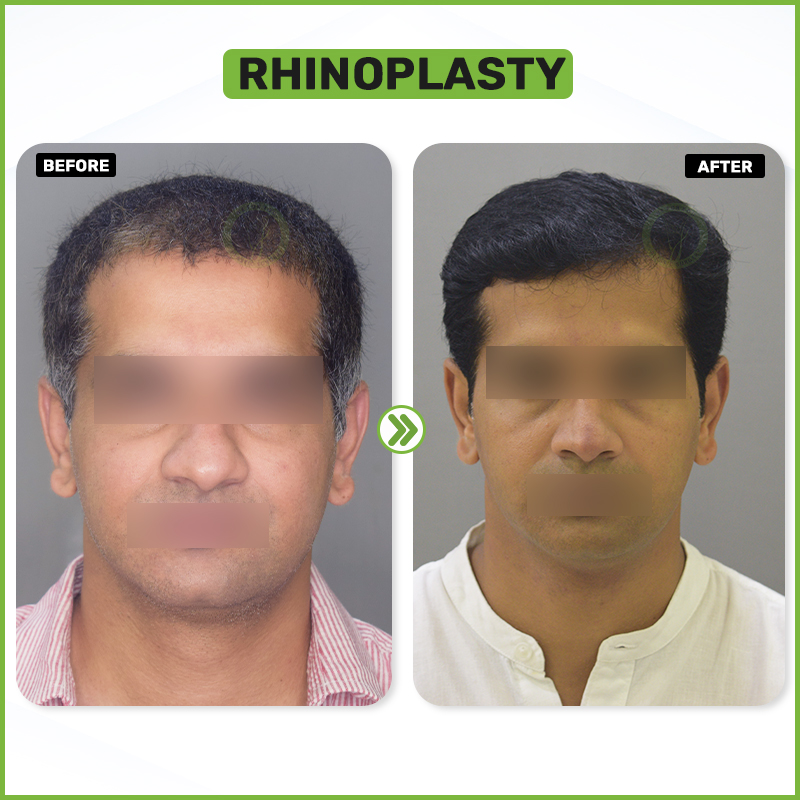
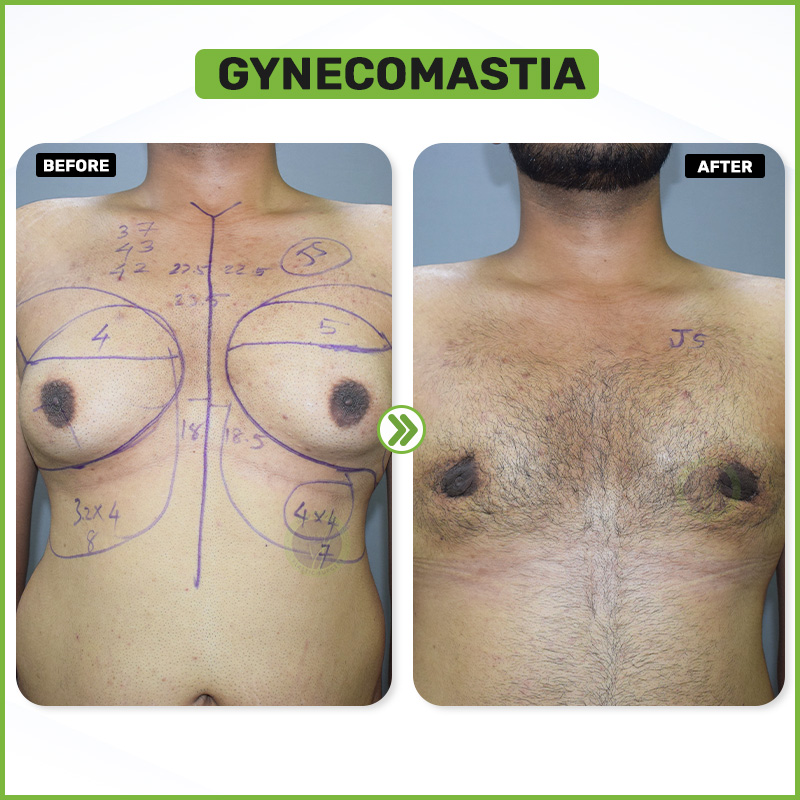
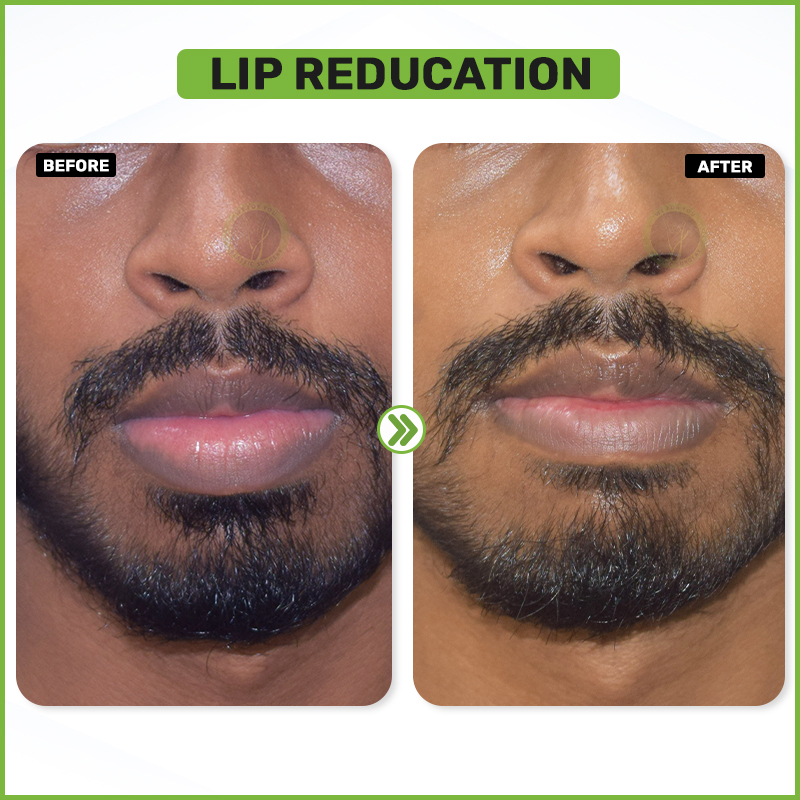
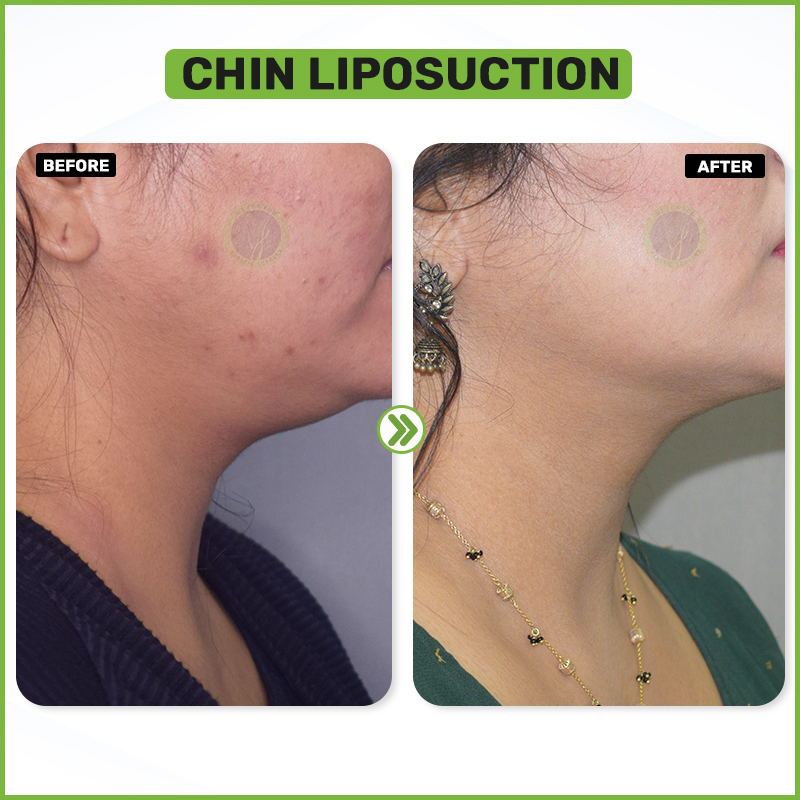
If your chest is bulging and has been causing you pain for a period of time, choosing a clinic with experience in male breast reduction is important. WFY Plastic Surgery provides cosmetic and plastic surgery procedures, including gynecomastia surgery. Treatment plans based on the kind and severity of chest expansion.
With over 15 years of expertise and 6,000+ procedures, the clinic has expertise in dealing with a variety of concerns regarding body contouring and cosmetics. In the case of gynecomastia surgery, the team will determine if the chest's enlargement is due to excessive fat, glandular tissue, or the combination of both prior to making a decision on the procedure.
The emphasis isn't just on reducing the size of the chest. The procedure is designed to give a flatter and more sculpted chest that has a natural shape. Based on the needs of the patient, the procedure could include lymphosuction or gland excision, or an amalgamation of both.

At WFY Plastic Surgery, gynecomastia surgery is handled by experienced, qualified plastic surgeons who specialize in cosmetic work and body-contouring kinds of procedures. Our surgical team really takes the time to understand what you are worried about and what look you want to reach before any planning happens, so the whole process stays on safe treatment and those natural-looking, well-balanced results.
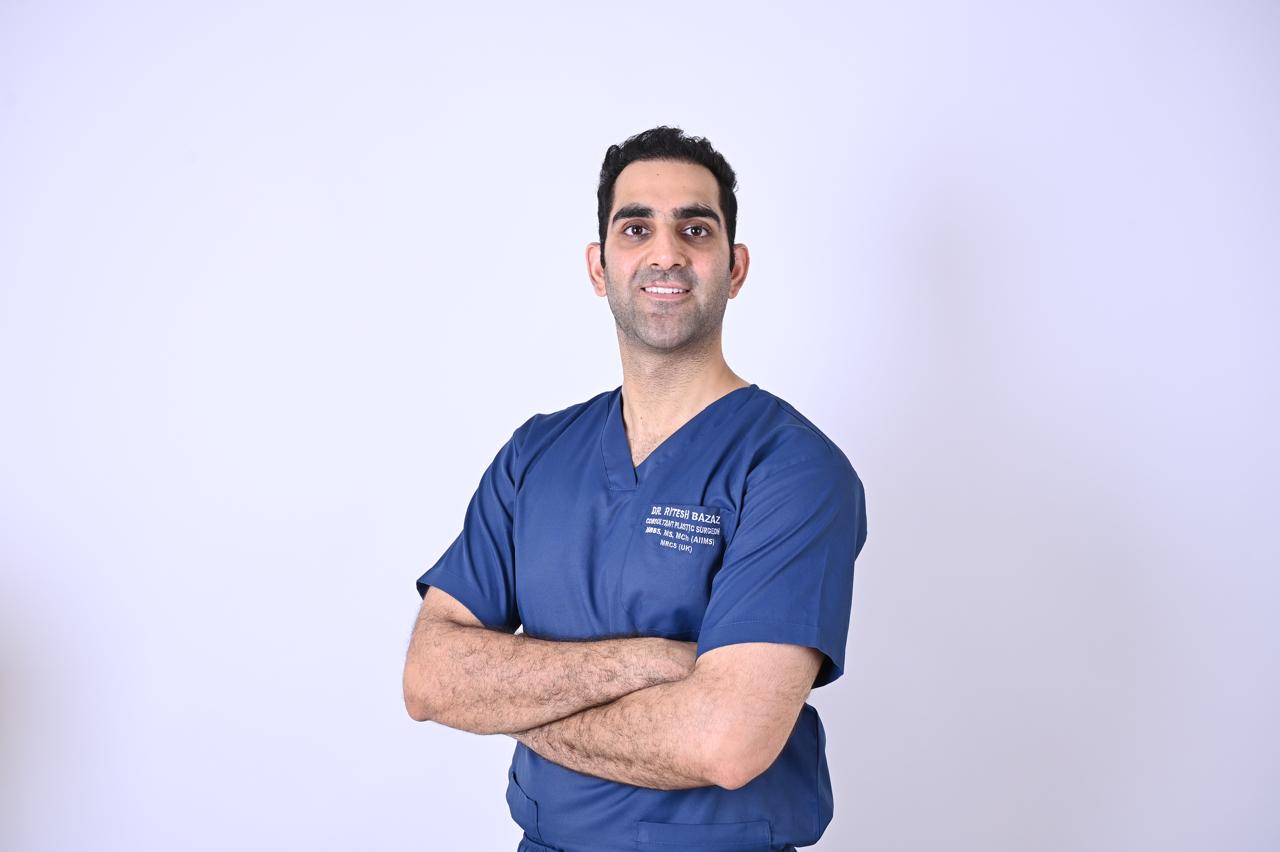
Known for meticulous contouring, natural-looking results and a patient-first surgical approach.

Specialist in body contouring, high-definition liposuction and advanced plastic surgery.
The cost of gynecomastia surgery in Gurgaon starts from around ₹50,000 and can go up to ₹1,20,000 or more, depending on the grade of gynecomastia, whether liposuction or gland removal is required, the number of sides being treated, anaesthesia, and the overall complexity of surgery.
| TYPE OF GYNECOMASTIA SURGERY | APPROXIMATE COST IN GURGAON |
|---|---|
| Unilateral Grade 1 | ₹50,000 – ₹60,000 |
| Unilateral Grade 2 | ₹50,000 – ₹60,000 |
| Unilateral Grade 3 | ₹55,000 – ₹67,000 |
| Unilateral Grade 4 | ₹55,000 – ₹67,000 |
| Bilateral Grade 1 | ₹65,000 – ₹80,000 |
| Bilateral Grade 2 | ₹75,000 – ₹85,000 |
| Bilateral Grade 3 | ₹75,000 – ₹90,000 |
| Bilateral Grade 4 | ₹80,000 – ₹95,000 |
| Liposuction + Gland Excision | ₹70,000 – ₹1,20,000+ |
Gynecomastia surgery may be suitable for men whose enlarged chest has remained despite healthy habits or other appropriate measures. Good overall health, a reasonably stable weight, realistic expectations and a willingness to follow the recovery instructions are important before surgery.
You may be a suitable candidate if:
Persistent Chest Enlargement: Your enlarged chest has remained despite diet, exercise or other appropriate measures.
Stable Weight: Your weight is reasonably stable, and you are not planning significant weight loss.
Good Overall Health: You are healthy enough to undergo surgery and do not have a condition that could significantly affect healing.
Excess Fat or Glandular Tissue: You have confirmed chest enlargement caused by excess fat, glandular tissue, or both.
Stable Development: Your chest enlargement has stopped changing significantly.
Non-Smoker: You do not smoke or use nicotine products that may interfere with healing.
Realistic Expectations: You understand what surgery can change and have a clear and achievable goal for your chest appearance.
A consultation is important because not every enlarged male chest needs the same treatment. Your surgeon can assess the chest and determine the most suitable approach for your individual needs.
Gynecomastia treatment is primarily performed on the chest area; however, the specific areas being treated would vary depending on the presence of extra fat, breast gland tissue, or skin:
The surgeon inspects the chest and evaluates the quantity and kind of tissue that is present. This will help determine the best procedure.
The surgical plan is designed on the basis of your chest's shape, structure, as well as the quality of your skin, along with the level of correction needed.
The correct kind of anesthesia is chosen in accordance with the extent of the procedure and your personal demands.
If there is excess fat, the procedure can be performed by making small incisions to eliminate fat tissue and enhance the shape of the chest.
The glandular tissue that is firm is removed by a precisely made incision, which is usually placed at the edges of the areola. This lets the surgeon treat the tissue that is not removed by liposuction on its own.
The surgeon meticulously shapes the treatment area to create an even, flatter chest without an overly hollow appearance.
Following surgery, it is possible to wear a compression piece. This can be recommended to protect the chest as it heals. Also, you will be given instructions on wound care, medication, as well as follow-up.
If an enlarged chest is affecting your confidence or the way you feel about your appearance, surgery can help create a flatter and firmer chest.
Flatter Chest: Removes excess tissue to create a flatter chest profile.
Better Chest Definition: Helps create a firmer and more defined appearance.
Improved Symmetry: Can improve differences in size or shape between the two sides.
Removal of Glandular Tissue: Addresses firm breast tissue that does not respond to exercise.
Reduction of Excess Fat: Liposuction can remove unwanted fat when it is part of the problem.
Natural-Looking Contour: Careful tissue removal helps maintain a proportionate chest shape.
Long-Lasting Results: Removed glandular tissue does not normally grow back, although future weight gain or other factors can affect the chest.
Maintaining a stable weight and addressing any underlying cause can help you maintain the result over time.
Post-surgery recovery from gynecomastia is gradual. Expect to experience swelling, bruising, and tightness while your chest heals and starts to take its new shape. During the initial recovery, your doctor may recommend that you wear a compression garment.
You can expect to experience tightness across your chest with soreness, bruising, and swelling. You may even feel tightness in your chest when wearing your compression garment. The first few days may require some bed rest while you allow yourself to rest. You should also avoid any strenuous activities for the first week.
Your discomfort levels will start to decrease, and you may also start to feel the need to do more activities. To remind yourself, you still need to take it easy. Do light and slow activities to stay protected and active within your wound care limits. You should avoid heavy lifting or any chest-related exercises.
Your chest will feel more and more comfortable, with some tightness and swelling that are now normal for you. You are able to slowly add normal activities but avoid any chest-related exercise.
The swelling continues to slowly decrease, and you start to notice the new chest shape. You can slowly start doing more activities.
Like any surgery, gynecomastia surgery has some risks. Swelling, bruising, soreness and temporary changes in sensation are common during recovery, while some less common complications may require further treatment.
Possible complications include:Bleeding: Blood can collect under the skin and may sometimes require treatment.
Infection: An infection can develop around the surgical area and may need medication or further care.
Fluid Collection: Fluid can collect beneath the skin during the healing period.
Uneven Contours: Differences in chest shape or contour can sometimes remain after surgery.
Changes in Sensation: Numbness or altered sensation around the chest or nipples may occur.
Scarring: Incisions can leave scars, although they are usually placed in less noticeable areas where possible.
Poor Wound Healing: Some patients may take longer to heal than expected.
Chest Asymmetry: The two sides may not become perfectly identical after surgery.
Anaesthesia-Related Risks: As with other surgical procedures, anaesthesia carries potential risks.
Your individual risks depend on your health, the extent of gynecomastia and the type of surgery performed. Your surgeon will discuss the risks relevant to your treatment before surgery.

Choosing a clinic for gynecomastia surgery means looking at the experience of the surgical team, how carefully the condition is assessed and whether the treatment is planned according to the type of chest enlargement.
WFY's plastic surgery team brings more than 15 years of experience in plastic, cosmetic and reconstructive procedures.
The team has performed more than 6,000 surgical and aesthetic procedures.
Your treatment is performed under the guidance of experienced and qualified plastic surgeons.
The team assesses whether excess fat, glandular tissue or a combination of both is responsible before planning treatment.
The procedure is planned according to your chest shape, tissue present, skin quality and desired result.
The aim is to create a flatter and firmer chest while maintaining a natural overall contour.
You receive guidance before surgery and throughout your recovery and follow-up.
No page can explain the experience better than the people who have lived it. Watch our patients talk about their decision, their surgery day, and life after liposuction at WFY.
Yes. Gynecomastia can affect one side of the chest or both, and one side may be more prominent than the other. Your surgeon will assess both sides carefully and plan the treatment to achieve a balanced and symmetrical appearance.
Puffy nipples can be associated with glandular breast tissue, excess fat, or excess skin around the chest. A clinical examination is important to determine the underlying cause and decide whether gynecomastia treatment is appropriate.
Treatment depends on the underlying cause of the chest enlargement. In some cases, medication, hormonal changes, weight management, or other medical factors may need to be addressed first. Your doctor can evaluate the cause and advise whether non-surgical management may be appropriate.
Yes. Before surgery, your surgeon will review your medical history, medications, overall health and the characteristics of your chest. This assessment helps determine the cause of the enlargement and whether surgery is suitable for you.
In some cases, gynecomastia can be associated with hormonal changes, certain medications, or an underlying medical condition. If male breast enlargement is persistent, unexplained, painful, or changing, a medical evaluation is recommended before deciding on surgery.
Take the first step towards your aesthetic goals. Book a personalised consultation with our experienced plastic surgery team and discover the treatment that's right for you.