At WFY Plastic Surgery, wound care in Gurgaon is provided for non-healing, infected, diabetic, and complex wounds that require appropriate medical or surgical care. Treatment is planned according to the type, size, location, and condition of the wound.
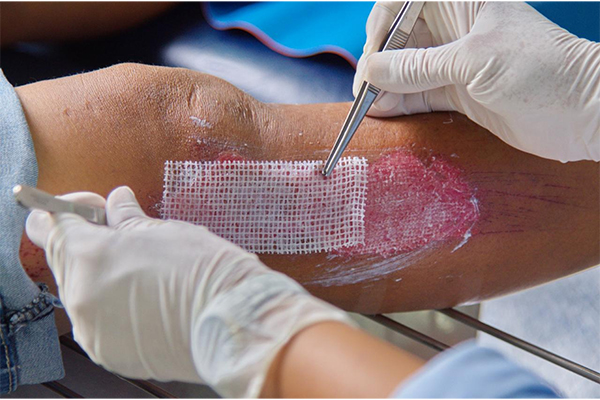
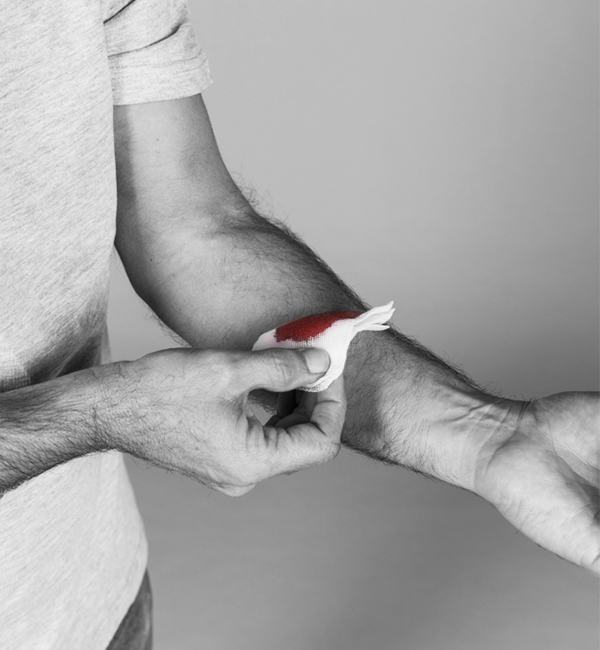
Wound care, also known as wound management, involves the treatment of wounds, injuries, ulcers, and other types of cuts that require proper care to heal. While some wounds heal naturally with basic treatment, others may require medical attention when they are deep, infected, or slow to heal.
The method of treatment depends on the type and condition of the wound. Treatment may include cleaning the wound, removing dead tissue, controlling infection, and using appropriate dressings to support the healing process. Some wounds may also require surgical treatment.
Proper wound care is especially important for people with diabetes, poor blood circulation, or other conditions that can affect normal wound healing. An untreated or neglected wound may become infected or develop into a more serious complication.
Wound care focuses on keeping the wound clean, addressing the underlying cause, controlling infection when present, and supporting the body's natural healing process through appropriate medical treatment and regular monitoring.
At WFY Plastic Surgery, wound care is planned according to the condition of your wound rather than following the same treatment approach for every patient. Your doctor will assess the size, depth, and location of the wound along with any signs of infection or tissue damage.
With over 15 years of experience and more than 6,000 procedures performed, WFY Plastic Surgery offers personalised treatment for different types of wounds. You can consult the team for wounds that are not healing, infected wounds, diabetes-related wounds, ulcers, and wounds following surgery.
Depending on the condition of the wound, treatment may include cleaning the affected area, removing unhealthy or dead tissue, controlling infection, or using appropriate dressings to support the healing process. Your doctor will assess the wound and explain the most suitable treatment options.
Proper wound care is important to help maintain cleanliness, control infection, and support the healing of the affected area. The treatment approach will depend on the underlying cause of the wound and how it is responding to care.
If you are looking for a professional Wound Care Clinic in Gurgaon, you can consult the WFY Plastic Surgery team to have your wound assessed and understand the appropriate wound care and treatment options.
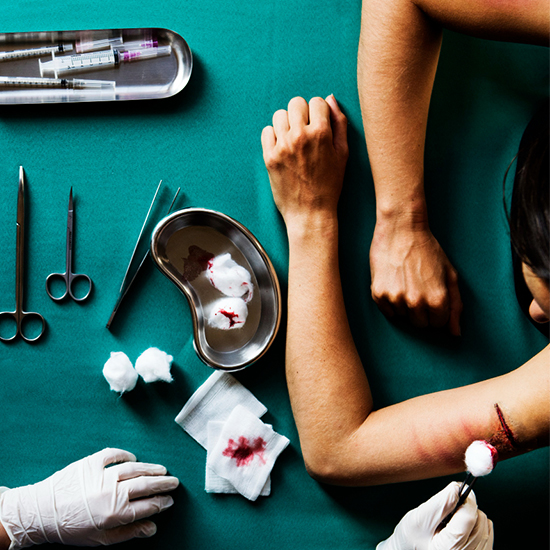
WFY Plastic Surgery has experienced and qualified doctors who carefully examine wounds before planning the appropriate treatment. The care approach depends on the cause of the wound, its condition, and how well it is healing.
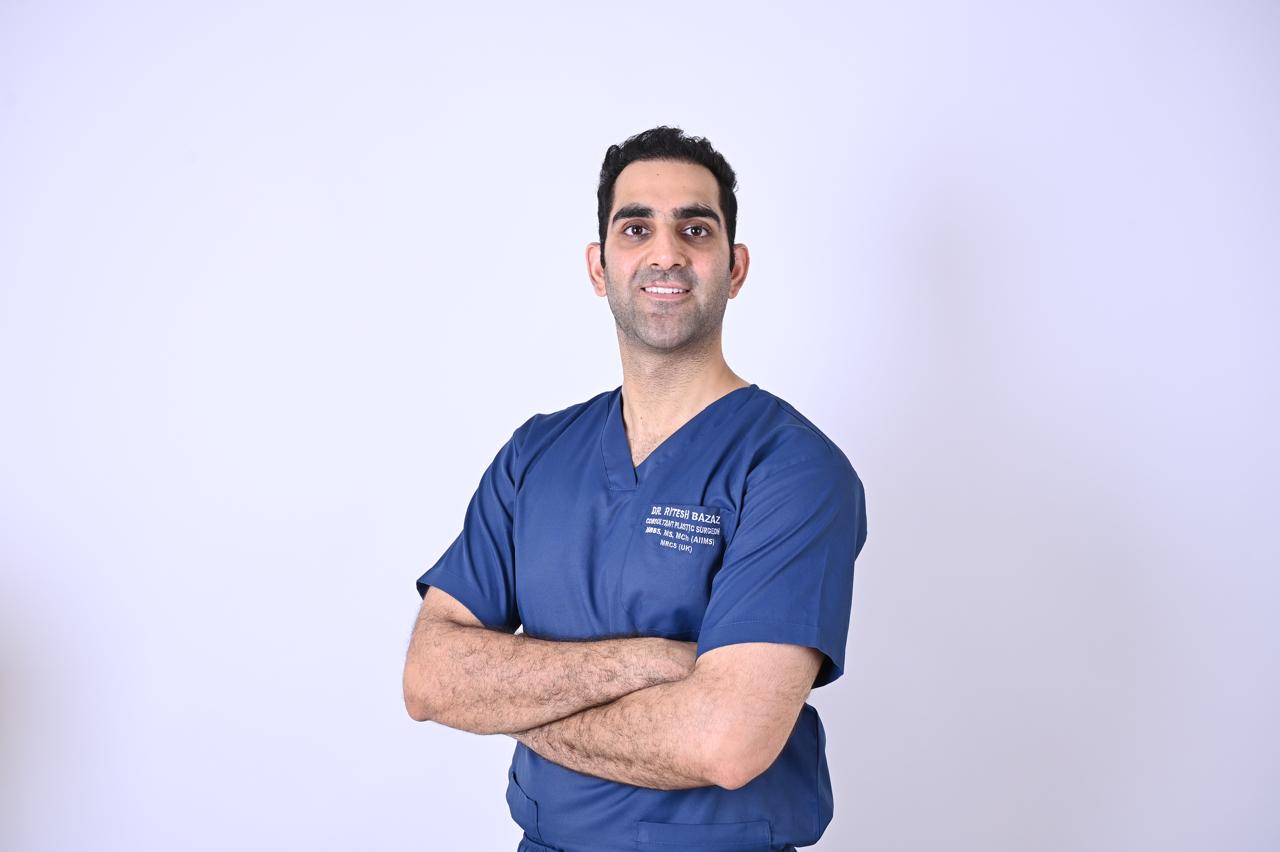
Known for meticulous contouring, natural-looking results and a patient-first surgical approach.

Specialist in body contouring, high-definition liposuction and advanced plastic surgery.
The wound care cost in Gurgaon depends on the type of wound, its size, severity, and the treatment required. Basic wound dressing, wound cleaning, and more advanced procedures may have different costs depending on your condition.
| WOUND CARE TREATMENT | APPROXIMATE COST |
|---|---|
| Basic Wound Dressing | ₹1,000 – ₹3,000 |
| Advanced Wound Dressing | ₹2,500 – ₹6,000 |
| Wound Debridement | ₹15,000 – ₹40,000 |
| Diabetic Wound Care | ₹20,000 – ₹60,000 |
| Complex Wound Treatment | ₹50,000+ |
Professional wound care may be required when a wound is not healing properly, becomes infected, or needs regular medical attention to support the healing process.
You may need professional wound care if you have:
Non-Healing Wounds: A wound has been present for a long time but is not showing proper signs of healing.
Diabetic Wounds: You have diabetes and require specialised wound care because healing may be slower and infections can become serious.
Infected Wounds: The wound has swelling, redness, discharge, bad odour, increasing pain, or other signs of infection.
Deep Wounds: The wound extends deeply into the skin or underlying tissues and requires professional assessment.
Pressure Ulcers: A wound has developed because of continuous pressure on one area of the body and requires regular care and pressure relief.
Surgical Wounds: A wound following surgery requires continued monitoring, dressing changes, or other wound care during healing.
Tissue Damage: Unhealthy or damaged tissue requires treatment to support proper wound healing and prevent further complications.
Your doctor will examine the wound and determine the type of wound care required based on its condition, cause, and healing progress.
Different wounds require different types of treatment depending on their cause, severity, and healing condition.
The doctor examines the wound to assess its size, depth, location, and overall condition. The surrounding skin is also checked for signs of infection or tissue damage.
The wound is carefully cleaned to remove dirt, discharge, and other unwanted material. Proper cleaning helps create a suitable environment for the wound to heal.
If dead or unhealthy tissue is present, debridement may be performed to remove the damaged tissue and allow healthy tissue to heal properly.
If the wound shows signs of infection, appropriate treatment is provided to help control the infection and support the healing process.
After the wound has been treated, an appropriate dressing is applied to protect the affected area. The type of dressing depends on the wound and the amount of discharge.
The wound is monitored during follow-up visits to assess healing progress. Dressing changes and further wound care are advised according to the condition of the wound.
Proper wound care can help support healing, protect the affected area, and reduce the risk of further complications.
Supports Healing: Keeping the wound clean and properly dressed can create a better environment for the healing process.
Controls Infection: Early and appropriate treatment can help manage an infection and reduce the risk of it spreading further.
Removes Unhealthy Tissue: Damaged or unhealthy tissue can be treated or removed when necessary to support proper wound healing.
Protects the Wound: Appropriate dressings can help protect the affected area from dirt, bacteria, and further injury.
Reduces Complications: Regular wound monitoring can help identify changes or problems before they become more serious.
Improves Comfort: Proper wound care can help manage discharge, pain, irritation, and discomfort around the affected area.
Recovery after wound care depends on the type of wound, its size, location, and the underlying cause. Some wounds may heal within a few weeks, while others may require regular care and follow-up for a longer period.
The wound may require regular cleaning and dressing changes during the early stage. Your doctor will also monitor the wound for signs of infection or other changes that may affect healing.
The wound is monitored for signs of healing and any changes in its condition. You may also receive instructions about keeping the wound clean, protected, and dry between dressing changes.
Many wounds continue to improve during this period, although some may take longer to heal depending on their size, depth, location, and underlying cause. Regular dressing changes may still be required.
Some wounds require continued cleaning, dressing, and monitoring for a longer period. Following your doctor's wound care instructions is important to support proper healing and reduce the risk of complications.
Your doctor will assess the wound during follow-up visits and adjust the treatment or dressing plan according to its healing progress. It is important to continue wound care until the wound has healed properly.
Wound care is generally safe when performed appropriately, but some wounds may develop complications, particularly when they are deep, infected, slow to heal, or affected by conditions such as diabetes or poor circulation.
Possible complications include:Infection: Bacteria can enter the wound and cause redness, swelling, discharge, pain, or other signs of infection.
Delayed Healing: Some wounds may take longer to heal due to diabetes, poor circulation, infection, or other underlying conditions.
Tissue Damage: A severe or untreated wound may cause further damage to the surrounding skin and tissues.
Reopening Wound: Some wounds may reopen during the healing process, particularly when there is pressure or incomplete healing.
Pain: A wound may cause pain or discomfort, especially when there is an infection, inflammation, or tissue damage.
More Treatment Needed: Additional wound care, medicines, dressings, or other treatment may be required if the wound does not heal as expected.
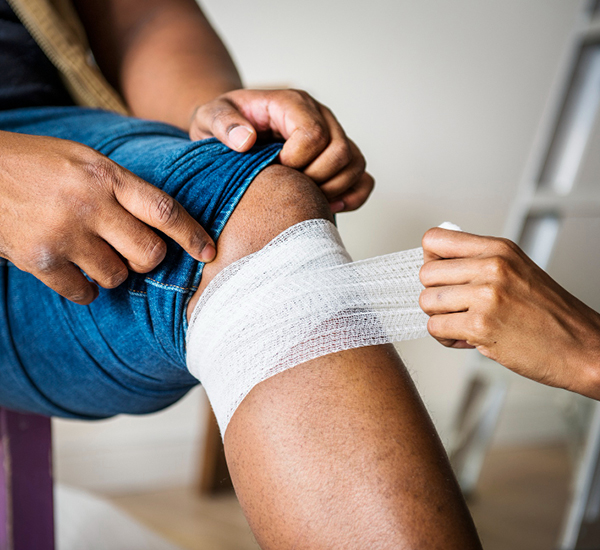
A wound that is not healing properly should be assessed before it develops into a bigger problem. At WFY Plastic Surgery, treatment is planned according to the individual condition and healing progress of the wound.
The WFY team has more than 15 years of experience in surgical treatments and patient care.
WFY Plastic Surgery has performed more than 6,000 procedures across different surgical and cosmetic treatments.
The wound is carefully examined before deciding what type of treatment or wound care is required.
Treatment is planned according to the cause, condition, size, and healing progress of the wound.
Care is available for diabetic, infected, chronic, surgical, and other difficult-to-heal wounds.
Regular wound monitoring, dressing guidance, and follow-up support are provided throughout the healing process.
No page can explain the experience better than the people who have lived it. Watch our patients talk about their decision, their surgery day, and life after liposuction at WFY.
The frequency of dressing changes depends on the type of wound, its condition, and the dressing being used. Some wounds may require daily dressing changes, while other dressings may remain in place for a longer period. Your doctor will advise you on the appropriate schedule.
Many wounds need to be protected from dirt, bacteria, friction, and further injury during healing. The type of dressing required depends on the wound, its condition, and its location. Your doctor will recommend the most suitable dressing for your wound.
A strong or unusual smell from a wound may indicate an infection or unhealthy tissue. The wound should be assessed by a doctor, particularly if there is also swelling, discharge, redness, increasing pain, or other changes in the wound.
Whether a wound or dressing can get wet depends on the type of wound and dressing being used. Your doctor will explain how to clean and protect the wound and when it is safe to expose the treated area to water.
You should seek medical attention if you experience heavy bleeding, rapidly increasing swelling, spreading redness, severe pain, fever, pus or discharge, a bad smell, or any sudden worsening of the wound. Prompt assessment can help identify and treat complications early.
Take the first step towards your aesthetic goals. Book a personalised consultation with our experienced plastic surgery team and discover the treatment that's right for you.