WFY Plastic Surgery offers chin augmentation surgery in Gurgaon for people who feel their chin looks small, less defined, or sits further back than they would like. The procedure can improve chin projection and create better balance between the chin, lips, jawline and other facial features.


Chin augmentation, also known as chin enhancement, is performed to give a smaller or less prominent appear more distinct appearance. A chin that is too far back may cause the lower face to appear less balanced, particularly when you examine your face.
The procedure can be carried out in a variety of ways. Chin implants can be utilized to move the chin forward and also add more projection. In certain cases, an operation or fat transfer for the jawbone might be the best option. The decision is based on your chin's shape, facial structure, as well as the degree of improvement you'd like.
Some individuals only need an extra bit of projection towards the sides. Some prefer the chin to appear more prominent from the front, too. The corrective procedure can be designed to address these issues.
The idea should not be to make your jaw appear larger than it ought to. It's to give it the proper shape and a projection that it fits comfortably with the lips, nose, and jawline.
At WFY Plastic Surgery, patients can bring up worries like a smaller chin, a less forward profile, or a lower face that doesn’t look that defined. The surgeon takes a look at the chin first, and then reviews the rest of the face, before pointing toward the most suitable pathway.
WFY Plastic Surgery comes with 15+ years of experience and 6,000+ procedures in plastic and cosmetic surgery. Every face is unique in its shape, so the same amount of enhancement won’t look the same on everyone, and it could look off.
For some people, a bit of projection may already be the whole solution, and the profile just improves. For others, a different kind of chin correction might be needed because of the chin’s shape or where it sits. The approach is built around what you want to refine and what will appear natural in your features.
If you’re searching for a chin augmentation clinic in Gurgaon, you can meet the WFY team to talk through your concerns, your treatment options, and the results you can reasonably expect before you move ahead with surgery.

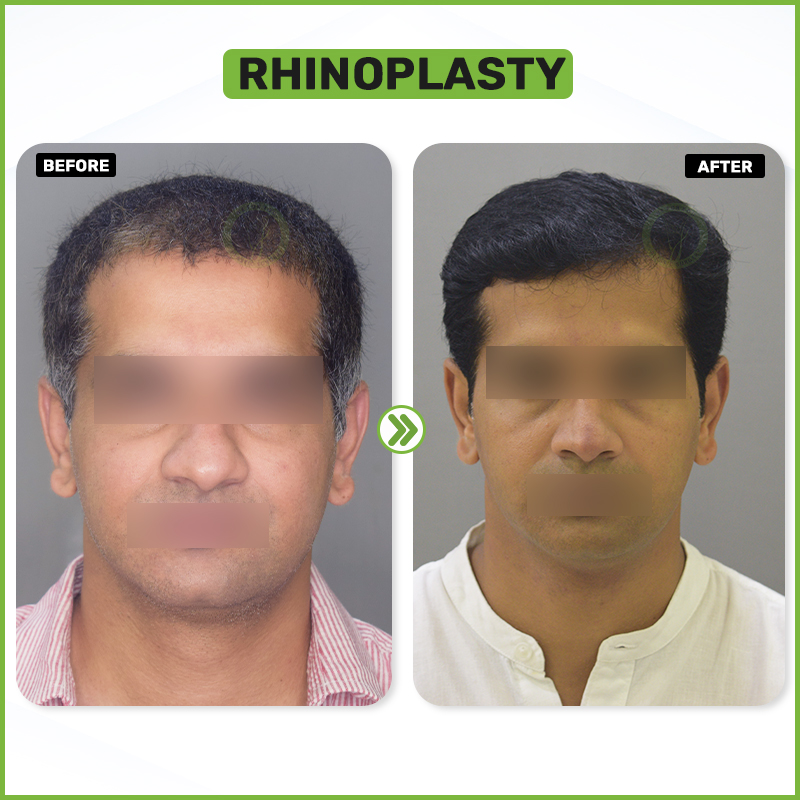
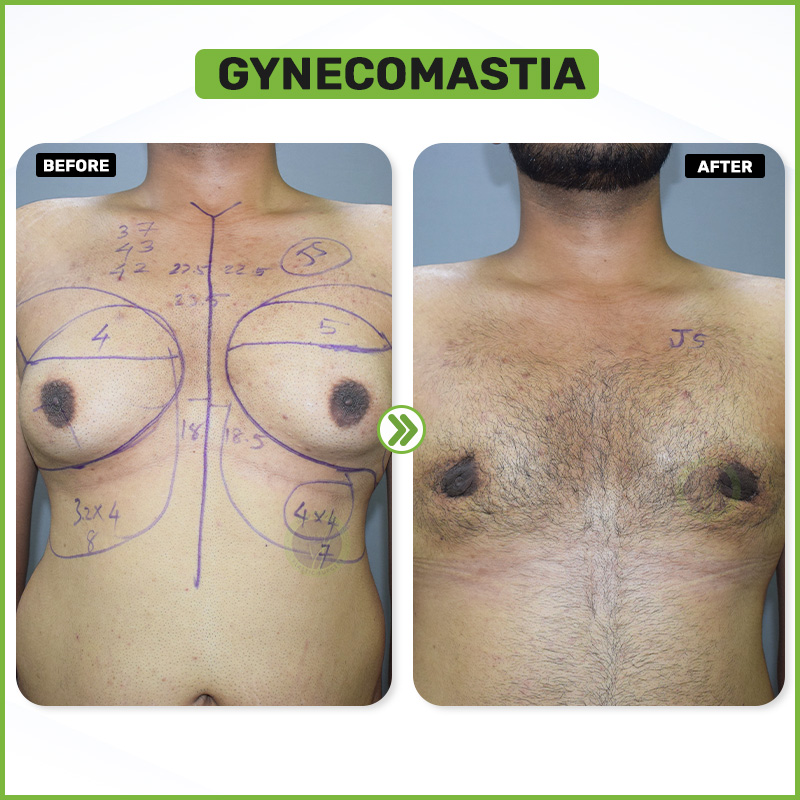
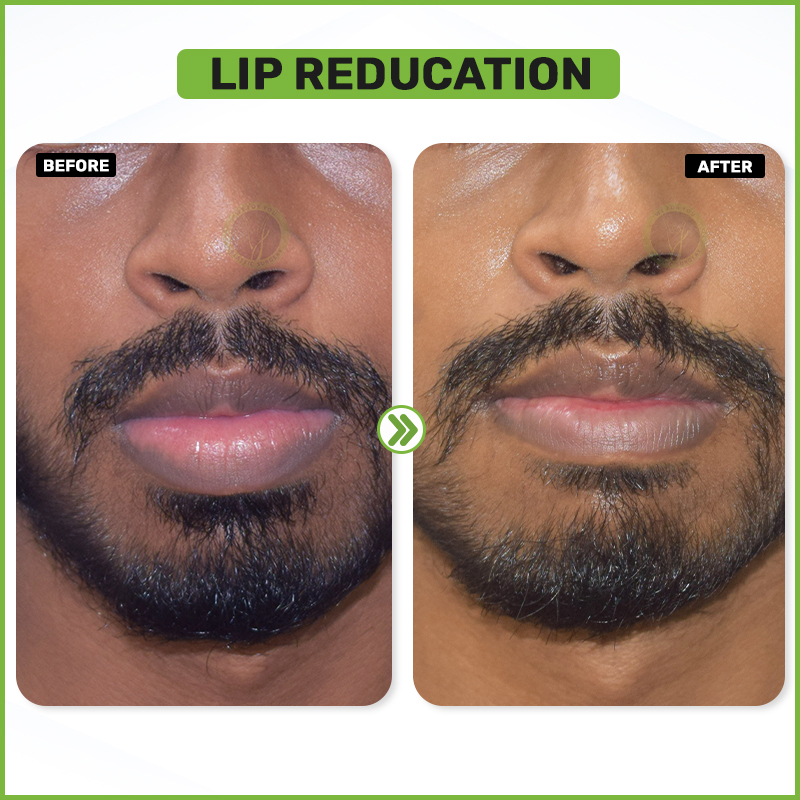
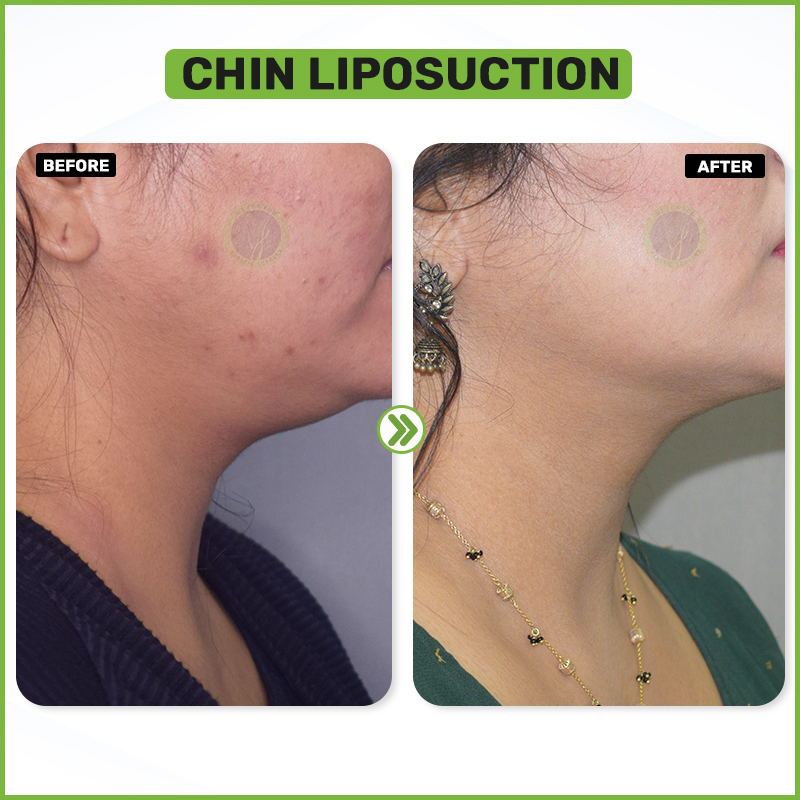
At WFY Plastic Surgery, chin augmentation is performed by experienced and qualified plastic surgeons with expertise in facial, cosmetic, and reconstructive procedures. The surgeons carefully assess your chin, jawline, facial profile, and overall facial proportions before planning the appropriate treatment.
During the consultation, you can discuss concerns such as a small or recessed chin, reduced chin projection, or a less defined lower face. The surgeon can explain the available options, including chin implant or other suitable approaches, and discuss the amount of enhancement, expected results, recovery, and limitations based on your individual facial structure.
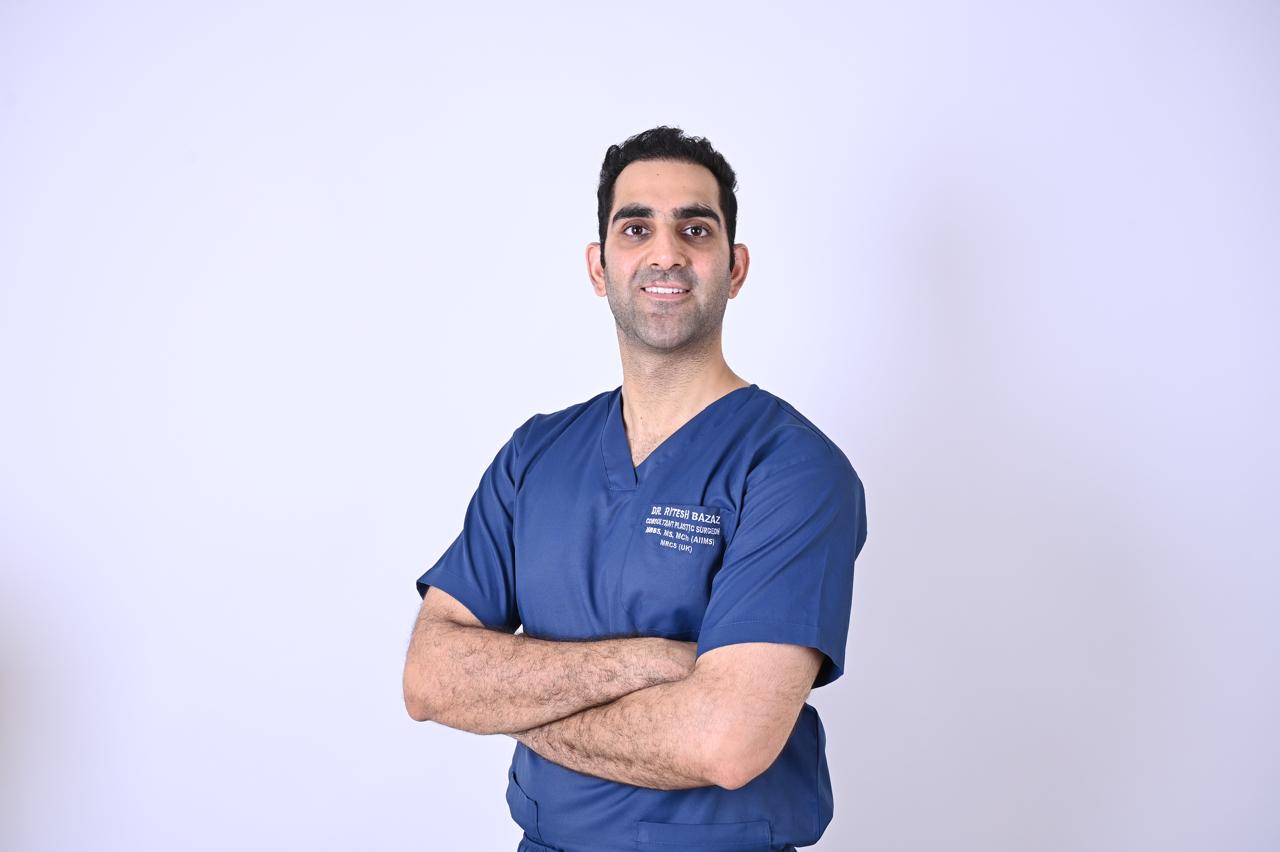
Known for meticulous contouring, natural-looking results and a patient-first surgical approach.

Specialist in body contouring, high-definition liposuction and advanced plastic surgery.
The chin augmentation cost in Gurgaon starts from around ₹80,000. The final price depends on the type of chin enhancement required, the surgical technique used, implant or other treatment requirements, anaesthesia, surgeon's fees, facility charges, and whether another facial procedure is performed at the same time. An exact estimate can be provided after the surgeon examines your chin, jawline and overall facial proportions.
| TYPE OF CHIN AUGMENTATION | APPROXIMATE COST IN GURGAON |
|---|---|
| Chin Implant Surgery | ₹80,000 – ₹1,25,000 |
| Chin Enhancement with Fat | ₹60,000 – ₹1,00,000 |
| Sliding Genioplasty | ₹1,20,000 – ₹2,00,000 |
| Chin Augmentation with Other Facial Surgery | ₹1,30,000 – ₹2,25,000+ |
| Revision Chin Surgery | ₹1,25,000 – ₹2,00,000+ |
Chin augmentation may be suitable if your chin appears small, sits further back than you would like, or does not look balanced with the rest of your face. The procedure can help improve chin projection and definition while maintaining natural facial proportions.
Chin augmentation is generally considered after facial growth is complete and when you are looking for a lasting improvement in the appearance of your chin and lower face.
You may be a suitable candidate if:
Small Chin: Your chin appears smaller or less prominent than you would like in relation to your other facial features.
Set-Back Chin: Your chin sits further back than your lower lip or jawline, making the side profile appear less defined.
Reduced Chin Projection: You want more forward projection to create a better balance between your chin, lips, nose and jawline.
Less Defined Lower Face: You feel that your chin or lower face lacks the definition you would like from the front or side.
Facial Growth Complete: You have reached an appropriate stage of facial growth for consideration of chin augmentation surgery.
Good Overall Health: You are healthy enough to undergo the planned procedure and have an appropriate recovery.
Stable Weight: Your weight is relatively stable and you do not expect significant changes that could affect your facial appearance.
Realistic Expectations: You want to improve the size, projection or definition of your chin without expecting to completely change your natural facial structure.
A small or recessed-looking chin is not always caused by the chin itself. In some people, the position or development of the jaw can also affect the appearance of the lower face. A detailed facial assessment helps the surgeon understand the relationship between your chin, jawline, lips and other facial features and determine whether chin augmentation alone is likely to provide the improvement you want.
Chin augmentation primarily focuses on improving the size, projection and definition of the chin. The treatment approach depends on your chin shape, facial profile, jawline and the changes you want to achieve:
Your surgeon examines your chin from the front and side and assesses your jawline, facial profile and overall facial proportions. Your concerns and desired changes are discussed before deciding whether chin augmentation is suitable for you.
The appropriate approach is selected according to your facial structure and the amount of enhancement required. Options may include a chin implant, fat transfer or another suitable surgical correction.
Anaesthesia is administered according to the type and extent of the procedure and your individual requirements. Your surgeon will explain the appropriate anaesthesia option before surgery.
If a chin implant is being used, the incision may be placed underneath the chin or inside the mouth depending on the surgical approach. The incision location is planned to provide suitable access to the treatment area.
The treatment area is carefully prepared so that the planned enhancement can be positioned appropriately. The surgeon takes care to maintain the intended shape and alignment of the chin.
A suitable chin implant may be positioned over the chin bone, or the planned enhancement may be performed using fat transfer or another selected technique. The correction is tailored to the desired level of chin projection and definition.
The surgeon checks the shape, position and projection of the chin before completing the procedure. The aim is to maintain appropriate balance between the chin, lips, nose and jawline.
Once the planned correction has been completed, the incision is closed carefully. You will receive instructions regarding wound care, medicines, eating, sleeping position, activity restrictions and follow-up during recovery.
If your chin looks small, set back, or less defined than you would like, chin augmentation can help improve its projection and create a more balanced appearance while keeping the enhancement in proportion with your natural facial features.
Better Chin Definition: Adds shape and projection to a small or less defined chin, helping create a more noticeable lower-face contour.
Improved Side Profile: Can bring a set-back chin further forward and create a more balanced appearance when viewed from the side.
Better Facial Balance: Helps improve the relationship between the chin, lips, nose, and jawline for a more proportionate facial profile.
More Defined Lower Face: Increased chin projection can make the lower part of the face appear more structured and defined.
Natural-Looking Enhancement: The amount of enhancement can be planned according to your facial structure so that the chin does not appear disproportionately large or prominent.
Long-Lasting Results: Implant-based chin augmentation can provide a lasting improvement in chin projection, although natural ageing and facial changes continue over time.
Improved Facial Proportions: A more appropriately projected chin can help create a better overall relationship between the upper and lower portions of the face.
Increased Confidence: Improving an unwanted chin shape or lack of projection may help some patients feel more comfortable and confident about their facial appearance.
Recovery after chin augmentation is gradual. Swelling, tightness, soreness and temporary changes in sensation around the chin and lower face can occur during the early healing period. The recovery process can vary depending on whether chin augmentation is performed with an implant, fat transfer, or another surgical technique.
The chin and lower face may feel swollen, sore or tight immediately after surgery. Soft foods may be easier to eat, particularly when the incision is placed inside the mouth. You will receive instructions about oral hygiene, medicines and caring for the treated area.
Swelling and discomfort generally begin to improve during the first week, although the chin may still appear fuller than expected. Light daily activities may be resumed according to your healing and your surgeon's advice. Pressure or impact to the chin should be avoided.
Swelling continues to decrease and the chin may begin to look more settled. You may feel more comfortable returning to your usual routine, while continuing to follow any activity restrictions provided by your surgeon.
Most of the visible swelling continues to reduce during this period. The new shape and projection of the chin become easier to appreciate, although some residual swelling or tightness may still be present.
The tissues continue to settle and the chin begins to feel and look more natural. Remaining swelling gradually decreases, while temporary changes in sensation may continue to improve during this stage.
The chin and surrounding tissues continue to mature and settle. Any remaining swelling or temporary changes in sensation may continue to improve, making the final shape and overall facial balance easier to assess.
Chin augmentation is a surgical procedure and, like any surgery, carries some risks. Swelling, bruising, soreness, tightness and temporary changes in sensation may occur during recovery. Some complications are less common and may require additional medical treatment or revision surgery.
Possible complications include:Bleeding: Bleeding can occur after surgery and may sometimes result in blood collecting beneath the treated area, requiring additional assessment or treatment.
Infection: An infection can develop around the incision or, when an implant is used, around the implant. Treatment may require medicines, wound care or further intervention.
Swelling: Swelling around the chin and lower face is common after surgery and may take several weeks to gradually settle.
Numbness: Temporary numbness, tingling or changes in sensation may occur around the chin, lower lip or surrounding areas while the tissues and nerves recover.
Implant Movement: When a chin implant is used, it may shift from its intended position during healing and may require assessment or corrective treatment.
Uneven Appearance: The chin may heal differently on each side, resulting in some asymmetry or an uneven appearance.
Scarring: Scars may develop along the incision site. Their visibility depends on the surgical approach and your individual healing process.
Implant Problems: A chin implant may become displaced, feel uncomfortable, become exposed, or otherwise cause problems that may require repositioning, replacement or removal.
Changes in Lip Movement: Temporary changes in the movement or sensation of the lower lip can occur after surgery and may improve as healing progresses.
Revision Surgery: Additional surgery may sometimes be required if an implant moves, healing is uneven, a complication develops, or the desired chin shape is not achieved.

Chin augmentation needs to complement the rest of your face. Careful assessment of the chin, jawline, profile and surrounding facial features helps determine the appropriate method and amount of enhancement for a balanced, natural-looking result.
WFY Plastic Surgery has more than 15 years of experience in plastic, cosmetic and facial surgery procedures.
The plastic surgery team has performed more than 6,000 surgical and aesthetic procedures across different treatment needs.
Chin augmentation is performed under the guidance of experienced and qualified plastic surgeons with expertise in facial and cosmetic procedures.
Your chin, jawline, facial profile and relationship between the chin, lips and nose are carefully assessed before deciding on the appropriate treatment approach.
The type and extent of chin enhancement are planned according to your facial structure, chin projection, desired improvement and overall proportions.
The goal is to improve chin projection and definition without making the chin appear excessively large or disproportionate to the rest of the face.
Chin projection is considered in relation to the nose, lips, jawline and other facial features to create a more harmonious overall appearance.
Depending on your anatomy and treatment goals, the surgeon can discuss suitable options such as chin implant, fat transfer or other appropriate procedures.
You receive guidance regarding diet, medicines, activity restrictions, wound care and follow-up appointments throughout the recovery period.
No page can explain the experience better than the people who have lived it. Watch our patients talk about their decision, their surgery day, and life after liposuction at WFY.
Yes. Depending on the shape of your chin and the treatment selected, chin augmentation can add projection, width or definition. This can make the chin appear more balanced when viewed from both the front and side.
Many people can return to light work within about a week, although this varies depending on the surgical technique, amount of swelling and individual healing. Your surgeon will advise you when you can safely return to work and normal activities.
A properly selected and positioned chin implant is designed to follow the natural contour of the chin. It is placed beneath the surrounding soft tissues, so the aim is to create a natural-looking increase in chin projection rather than an obvious implant appearance.
If the implant does not provide the desired shape or projection, your surgeon can assess the result after the chin has healed. In selected cases, the implant may be adjusted, replaced or removed depending on the reason for the concern and the condition of the surrounding tissues.
Yes. Chin augmentation and rhinoplasty may be performed together in selected patients because the chin and nose both contribute to overall facial profile and balance. Your surgeon will assess your facial proportions and determine whether combining the procedures is suitable for you.
Take the first step towards your aesthetic goals. Book a personalised consultation with our experienced plastic surgery team and discover the treatment that's right for you.