At WFY Plastic Surgery, reconstructive surgery in Gurgaon is performed to repair and restore areas of the body affected by injuries, burns, previous surgery, congenital conditions, or other medical problems. Treatment is planned according to the affected area, condition, and functional requirements of the patient.
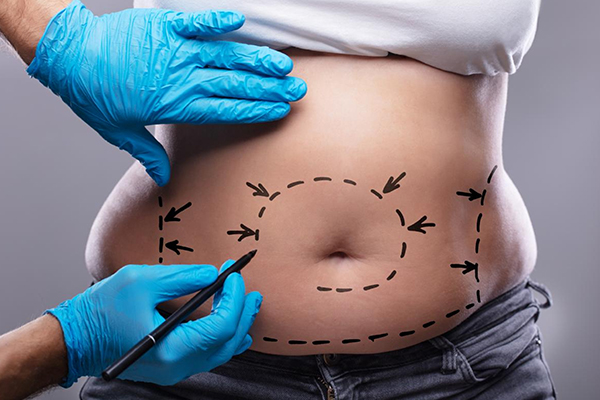
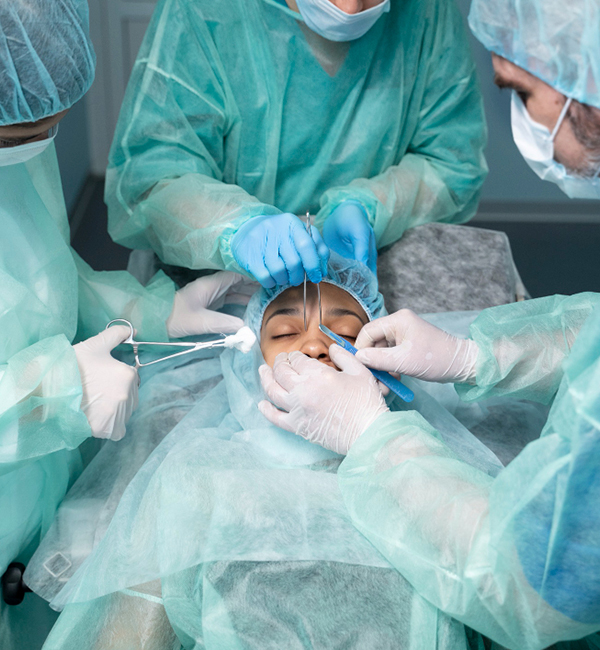
Reconstructive surgery is a branch of plastic surgery that focuses on repairing or restoring parts of the body that have been damaged, lost, or developed differently. It may be needed after an accident, severe injury, burn, cancer surgery, or a congenital condition.
The type of reconstructive surgery can vary from one person to another depending on the area affected and the extent of tissue damage. Some procedures are performed to repair wounds or damaged tissue, while others may help rebuild an area after cancer surgery, correct a birth condition, or restore movement and function.
Reconstructive surgery may involve techniques such as wound repair, skin grafting, tissue transfer, flap surgery, scar revision, or other specialised procedures. The appropriate technique is selected according to the location of the problem and the amount and type of tissue that needs to be repaired.
In many cases, reconstructive surgery may be planned in stages. The doctor first focuses on treating the immediate problem and restoring the affected area, and then determines whether further surgery may be required to improve function or appearance.
At WFY Plastic Surgery, reconstructive procedures are planned according to the individual's condition and the area that needs repair. A small wound, severe injury, burn, or tissue loss may require different approaches, which is why every case is assessed carefully before surgery.
With over 15 years of experience and more than 6,000 procedures performed, WFY Plastic Surgery provides personalised surgical care for different reconstructive needs. Treatment may involve repairing damaged skin and tissue, covering wounds, correcting scars, or restoring an area affected by injury, surgery, or another medical condition.
Depending on the condition, reconstructive surgery may involve techniques such as wound repair, skin grafting, tissue transfer, flap surgery, scar revision, or other specialised procedures. Your doctor will assess the affected area and determine which approach may be appropriate for your condition.
Some patients may require reconstructive surgery soon after an injury or medical procedure, while others may undergo reconstruction months or even years later. The timing and type of surgery depend on the condition of the affected area, healing, and overall health of the patient.
If you are looking for a professional Reconstructive Surgery Clinic in Gurgaon, you can consult the WFY Plastic Surgery team to understand your condition, available treatment options, and the appropriate reconstructive approach.
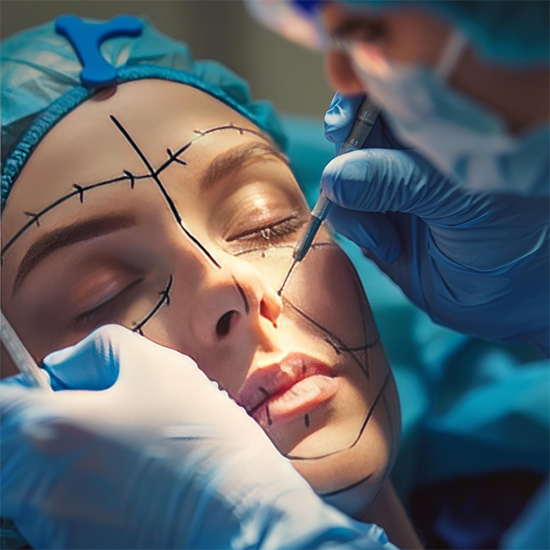
WFY Plastic Surgery has experienced and qualified doctors who assess the affected area and understand the underlying medical problem before planning the appropriate reconstructive treatment. The procedure depends on the type of damage, the body part involved, and the result that can realistically be achieved.
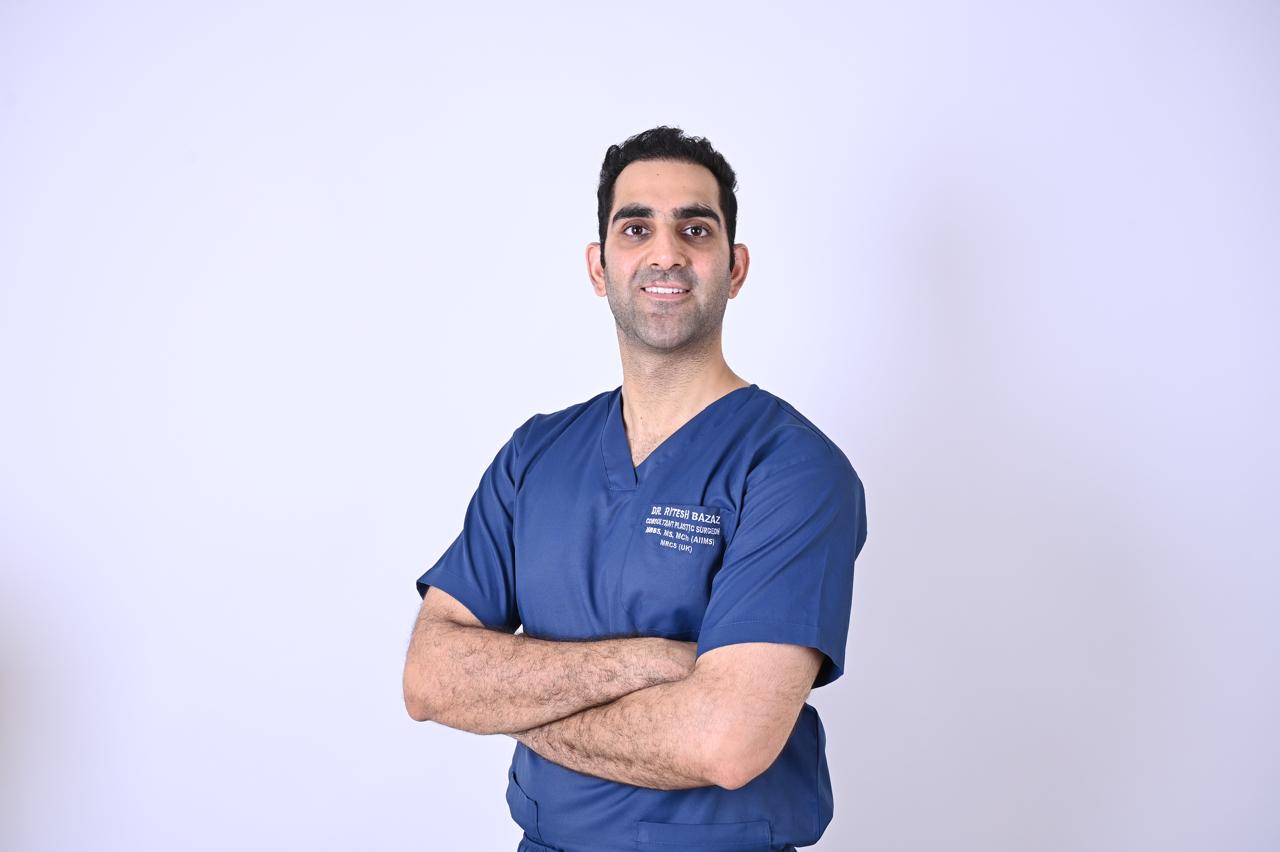
Known for meticulous contouring, natural-looking results and a patient-first surgical approach.
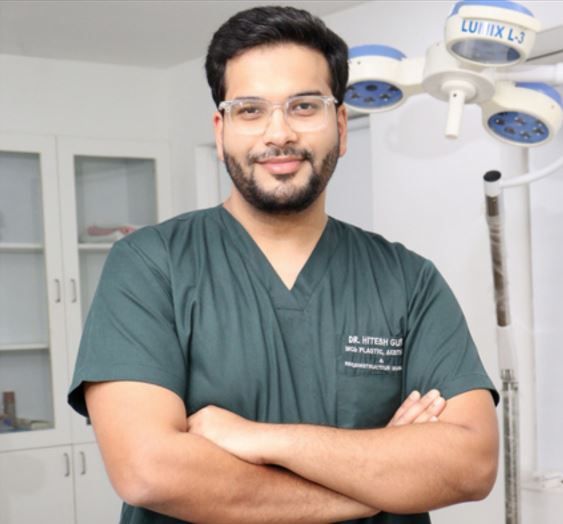
Specialist in body contouring, high-definition liposuction and advanced plastic surgery.
The cost of reconstructive surgery in Gurgaon can vary depending on the condition being treated, the complexity of the surgery, the area requiring reconstruction, the technique used, and whether hospital care is required. Every reconstructive procedure is different, so the final cost is determined after proper assessment.
| RECONSTRUCTIVE PROCEDURE | APPROXIMATE COST |
|---|---|
| Simple Wound Repair | ₹10,000 – ₹30,000 |
| Scar Revision Surgery | ₹20,000 – ₹60,000 |
| Skin Grafting | ₹30,000 – ₹1,00,000+ |
| Flap Reconstruction | ₹75,000 – ₹2,00,000+ |
| Complex Reconstruction | Depends on the Procedure Required |
Reconstructive surgery may be needed when an injury, medical condition, or previous surgery has affected the normal form or function of a body part.
You may be considered for reconstructive surgery if you have:
After an Injury: Accidents can cause damage to the skin, muscles, tendons, or other tissues that may require surgical repair.
Burn Injuries: Deep burns can damage areas of skin and may require skin grafting, reconstruction, or treatment for scar contractures.
After Cancer Surgery: Reconstruction may be required after cancer surgery when a significant amount of tissue has been removed.
Congenital Conditions: Certain conditions present from birth may be corrected or improved through reconstructive procedures.
Complex Wounds: Wounds that do not heal properly or involve significant tissue loss may require reconstructive treatment.
Scars Affecting Movement: Tight or restrictive scars can sometimes limit movement and may require surgical correction.
Your doctor will assess the affected area, understand the underlying condition, and determine whether reconstructive surgery is appropriate and which treatment options may be suitable for you.
Reconstructive surgery includes different procedures depending on what needs to be repaired, the body part involved, and the amount of tissue that needs to be restored.
The affected area is examined carefully to understand the extent of the damage and the type of reconstruction that may be required. Your medical history and treatment goals are also considered during the assessment.
A suitable surgical approach is selected based on the condition, location, and amount of tissue involved. The procedure, expected outcome, possible risks, and recovery are explained before surgery.
The surgical area is prepared before the procedure. Depending on the type and extent of reconstruction, local or general anaesthesia may be used to ensure appropriate comfort during surgery.
The damaged area is repaired using the planned technique. This may involve wound closure, skin grafting, flap reconstruction, scar revision, or another reconstructive procedure depending on the condition.
Once the reconstruction is completed, the surgical area is closed where required and appropriate dressings are applied. The dressing helps protect the treated area during the initial healing period.
Follow-up visits are used to monitor healing and the progress of the reconstructed area. Depending on the procedure, further treatment, wound care, or rehabilitation may be recommended during recovery.
The benefits of reconstructive surgery depend on the condition being treated. For many patients, the main goal is to restore normal function, repair damaged tissue, and improve the appearance of the affected area.
Restores Damaged Areas: Surgery can help repair skin and tissue affected by injuries, burns, medical conditions, or previous surgery.
Improves Function: Certain reconstructive procedures can help improve movement or function when tissue damage or scarring is causing a problem.
Covers Tissue Loss: Techniques such as skin grafting and flap surgery can help cover areas where skin or other tissue has been lost.
Helps Treat Complex Wounds: Reconstructive surgery may be considered when a wound cannot be adequately treated with simple wound closure or routine care.
Improves Appearance: Reconstruction can help restore the shape and appearance of an area affected by injury, burns, scars, or surgery.
Personalised Treatment: The reconstructive technique is selected according to the person's condition, affected body part, tissue damage, and individual treatment requirements.
Recovery after reconstructive surgery can vary depending on the type of procedure, the area treated, and the extent of tissue repair required. Simple wound repairs may heal within a shorter period, while complex reconstruction may require more time and follow-up care.
The treated area may have some swelling, soreness, or discomfort during the initial recovery period. Dressings may be required, and you may be advised to keep the area protected or elevated depending on the procedure.
The early healing process continues during this period. Your doctor will examine the surgical area during follow-up visits, and stitches may be removed when appropriate.
As healing progresses, you may gradually return to your normal activities. The timing depends on the body part treated, the type of reconstruction, and how your surgical site is healing.
Some patients may require physiotherapy, scar care, or other rehabilitation as part of recovery. This may be recommended after major injuries, extensive tissue repair, or reconstruction involving movement and function.
Regular follow-up allows your doctor to monitor the healing of the reconstructed area and assess the functional and cosmetic outcome. Additional treatment may be advised if required during the recovery process.
Like any surgery, reconstructive procedures can involve certain risks. The possible complications depend on the type, location, and complexity of the surgery performed.
Infection: An infection can develop at the surgical site and may require medicines, wound care, or further treatment.
Bleeding: Some bleeding or a collection of blood under the skin can occur after reconstructive surgery.
Delayed Healing: Healing may take longer in some patients, particularly after large wounds or more complex reconstructive procedures.
Scarring: Scarring is expected after many reconstructive procedures, although appropriate scar care may help improve the appearance over time.
Graft or Flap Problems: When skin grafts or flaps are used, there is a possibility that some of the transferred tissue may not heal as expected.
Need for Further Surgery: Some complex conditions may require more than one procedure to achieve the desired functional or reconstructive outcome.
Your doctor will discuss the risks that are specific to your reconstructive procedure before treatment. You will also receive instructions regarding wound care, recovery, and follow-up after surgery.
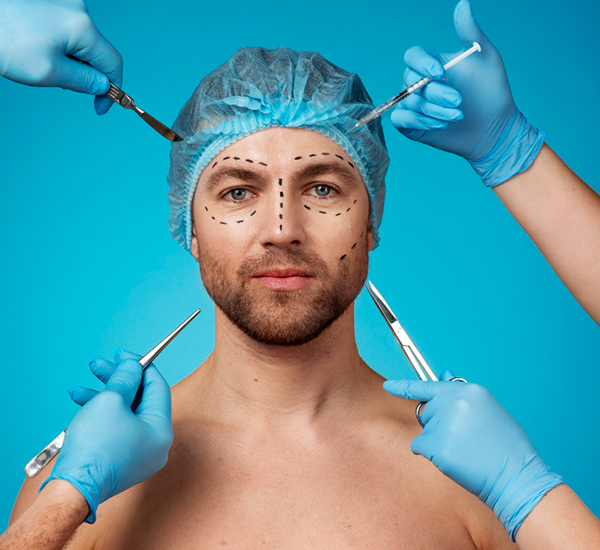
Reconstructive surgery often requires more than simply closing a wound or correcting an affected area. At WFY Plastic Surgery, the condition is assessed carefully before deciding how the affected area should be repaired or reconstructed.
The WFY team has more than 15 years of experience in surgical and aesthetic treatments.
The team has performed more than 6,000 procedures across different treatment areas and surgical needs.
Treatment options are available for conditions involving complex wounds, scars, burns, and tissue loss.
Every procedure is planned according to the condition, affected body part, extent of tissue damage, and reconstructive requirements.
The treatment approach considers both the appearance of the affected area and the restoration of normal movement or function wherever possible.
Recovery is monitored after surgery, with wound care, rehabilitation, scar management, or further treatment advised when required.
No page can explain the experience better than the people who have lived it. Watch our patients talk about their decision, their surgery day, and life after liposuction at WFY.
No. Reconstructive surgery is mainly performed to repair or restore a body part affected by injury, disease, burns, surgery, or a congenital condition. Cosmetic surgery is generally performed to improve appearance when there is no significant medical defect.
Some conditions can be treated with a single procedure, while complex injuries, extensive tissue loss, or certain reconstructive problems may require more than one stage of surgery. Your doctor will recommend the appropriate approach based on your condition.
Recovery depends on the type and extent of the procedure. Minor repairs may heal within a few weeks, while complex reconstruction involving larger areas or significant tissue repair may require a longer recovery period.
Scarring is common after reconstructive surgery. The final appearance of a scar depends on the type of procedure, the area treated, the size of the surgical site, and how your body heals. Your doctor may also recommend appropriate scar care during recovery.
Insurance coverage depends on the reason for surgery, the type of reconstructive procedure, and the terms of your insurance policy. You should check with your insurance provider to understand whether your specific treatment is covered.
Take the first step towards your aesthetic goals. Book a personalised consultation with our experienced plastic surgery team and discover the treatment that's right for you.