WFY Plastic Surgery offers personalised lipoma removal surgery to safely remove unwanted fatty lumps beneath the skin and improve the appearance and contour of the treated area. The treatment approach is planned according to the size, location and characteristics of the lipoma.


A lipoma is a soft, usually harmless lump made up of fatty tissue that develops beneath the skin. Lipomas can occur in different parts of the body, including the neck, shoulders, back, arms, thighs and abdomen. They are generally benign, but some may become noticeable, uncomfortable or increase in size over time.
Lipoma removal surgery, also known as lipoma excision, is a surgical procedure used to remove the lump through a carefully planned incision. The approach depends on the size, location and characteristics of the lipoma.
Smaller lipomas may sometimes be removed using local anaesthesia, while larger or more complex lipomas may require a different surgical approach and anaesthesia plan. Your surgeon will assess the lump and surrounding tissue before deciding the most appropriate method.
If a lump is growing, painful, changing in appearance or has not been properly diagnosed, it is important to have it evaluated before considering removal. Once the diagnosis is confirmed as a lipoma, your surgeon can discuss the appropriate removal procedure and expected outcome.
If a lipoma is causing concern because of its size, location, appearance or discomfort, choosing a clinic with experience in surgical procedures is important. WFY Plastic Surgery offers personalised lipoma removal surgery with careful attention to safe removal and the appearance of the treated area.
With over 15 years of experience and 6,000+ procedures, the clinic has experience across a range of cosmetic, plastic and surgical treatments. The surgical team takes an individualised approach when planning lipoma removal according to the size, location and characteristics of the lump.
Before surgery, your surgeon evaluates the lump and the surrounding area to determine the most appropriate treatment approach. Smaller lipomas may require a simpler removal procedure, while larger or more complex lumps may need more careful surgical planning.
The goal of lipoma removal is to safely remove the lump while taking care with the surrounding tissue and incision. Your surgeon will also discuss the expected healing process, possible scarring and appropriate aftercare based on the location and size of the lipoma.

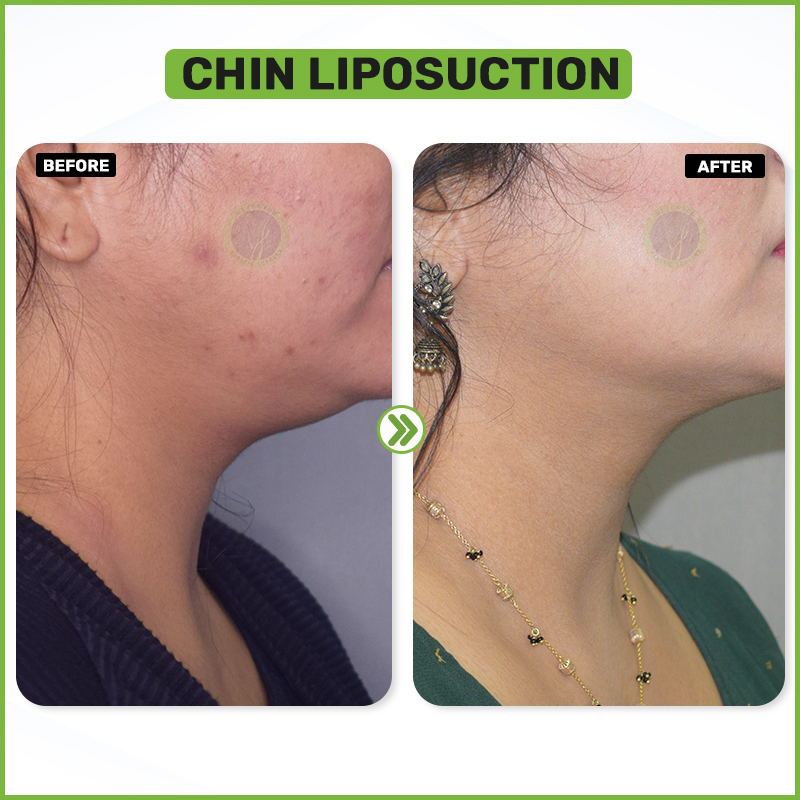
At WFY Plastic Surgery, lipoma removal surgery is performed by experienced and qualified plastic surgeons who carefully assess the lump before planning the procedure. The surgical team considers the size, location, depth and characteristics of the lipoma before selecting an appropriate removal approach, with a focus on safe surgery and maintaining a natural appearance of the treated area.
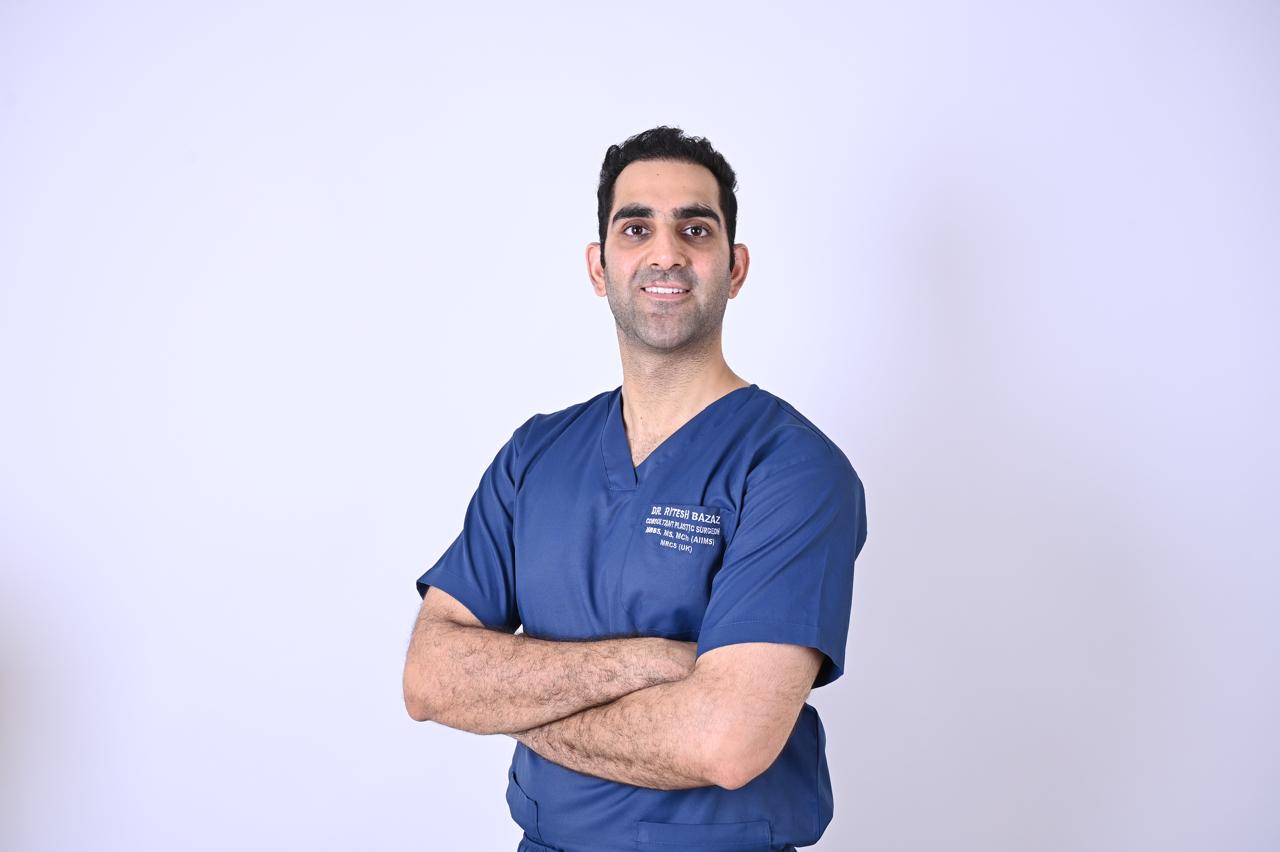
Known for meticulous contouring, natural-looking results and a patient-first surgical approach.
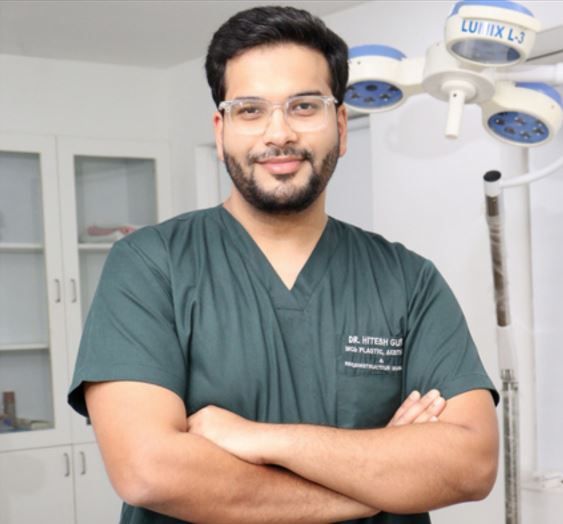
Specialist in body contouring, high-definition liposuction and advanced plastic surgery.
The cost of lipoma removal surgery in Gurgaon can vary depending on the size, location and depth of the lipoma, whether there is a single lump or multiple lipomas, the surgical technique, type of anaesthesia, surgeon's fee and other surgical requirements. The final cost is determined after examining the lipoma and understanding the most appropriate approach for its removal.
| TYPE OF LIPOMA REMOVAL | APPROXIMATE COST IN GURGAON |
|---|---|
| Small / Simple Lipoma Excision | ₹25,000 – ₹35,000 |
| Standard Lipoma Excision | ₹30,000 – ₹45,000 |
| Large Lipoma Removal | ₹40,000 – ₹60,000 |
| Deep or Complex Lipoma Removal | ₹50,000 – ₹80,000+ |
| Multiple Lipoma Removal | ₹60,000 – ₹1,20,000+ |
Lipoma removal surgery may be suitable for people who have a confirmed lipoma that is causing discomfort, increasing in size, affecting movement or causing concern about its appearance. Good overall health, realistic expectations and a willingness to follow post-operative instructions are important before undergoing the procedure.
You may be a suitable candidate if:
Confirmed Lipoma: The lump has been examined by a doctor and identified as a lipoma before removal is planned.
Growing Lipoma: The lump has increased in size and you would like to have it removed after appropriate medical evaluation.
Pain or Discomfort: The lipoma causes pressure, tenderness, discomfort or pain during daily activities.
Visible Lump: The location or appearance of the lipoma is noticeable and causes concern about your appearance.
Movement Problems: A larger lipoma interferes with movement, clothing or everyday activities because of its size or location.
Good Overall Health: You are healthy enough to undergo the planned procedure and do not have a condition that could significantly affect healing or recovery.
Realistic Expectations: You understand that lipoma removal involves an incision and may leave a small scar, with the final appearance depending on the size and location of the lump.
A consultation is important before lipoma removal surgery. Your surgeon can assess the size, location and depth of the lump and determine whether it is appropriate for removal. If a lump is new, rapidly growing, painful or has unusual features, further evaluation may be recommended before surgery.
Lipomas can develop in different areas of the body, and the treatment approach depends on the size, location and depth of the lump. Common areas that may be assessed for lipoma removal include:
Your surgeon examines the lump to assess its size, location, depth and surrounding tissues. If the lump has unusual features or requires further evaluation, additional tests may be recommended before surgery.
The incision is carefully planned over or close to the lipoma, taking into account its size and location. The aim is to provide suitable access for removal while keeping the resulting scar as discreet as reasonably possible.
Small and straightforward lipomas may often be removed under local anaesthesia. Larger or more complex lipomas may require sedation or another form of anaesthesia depending on the surgical plan and your individual requirements.
A carefully planned incision is made in the skin over or near the lipoma to allow the surgeon to access the lump safely while limiting unnecessary disruption to the surrounding tissue.
The lipoma is carefully separated from the surrounding tissues and removed through the incision. Where appropriate, complete excision of the lump is performed to reduce the likelihood of it recurring in the same location.
After the lipoma has been removed, the surgeon examines the treatment area to check the surrounding tissues and ensure that the area is suitable for closure.
The incision is closed using appropriate sutures and a dressing is applied. The closure technique is selected according to the size and location of the wound.
You will receive instructions regarding wound care, prescribed medicines, activity restrictions and follow-up appointments. Your surgeon will also advise you about when normal activities can be resumed.
Lipoma removal surgery can help eliminate an unwanted fatty lump and improve the appearance and comfort of the affected area. The potential benefits depend on the size, location and depth of the lipoma and your individual treatment needs.
Removes the Lump: Removes the unwanted fatty growth from the treated area following appropriate assessment and surgical planning.
Smoother Skin Contour: Removal of the lump can help create a more even-looking contour once the area has healed.
Relieves Discomfort: Removing a lipoma that causes pressure, tenderness or discomfort may make everyday activities more comfortable.
Improved Movement: Removal may help when a larger lipoma interferes with movement or gets in the way during daily activities.
Improved Appearance: Removing a noticeable lump can improve the appearance of the treated area and create a more balanced skin contour.
Long-Lasting Result: A completely removed lipoma is generally unlikely to return in the same location, although new lipomas can develop elsewhere.
Greater Confidence: Removing a visible or bothersome lump may help you feel more comfortable with the appearance of the treated area.
Lipoma removal is performed to remove a specific lump and is not intended as a general weight-loss or body-contouring procedure. Your surgeon will discuss the expected result, possible scar and recovery based on the location and size of the lipoma.
Recovery after lipoma removal surgery is generally quick, particularly when the lump is small and located in an area that is not exposed to much movement or pressure. Some discomfort, swelling, bruising and tenderness around the treatment area can be expected during the early stages of healing.
The treated area may feel sensitive or slightly uncomfortable after surgery. A small dressing may be placed over the incision. Keeping the wound clean and following your surgeon's wound-care instructions can support proper healing.
Most patients can gradually return to normal daily activities within a few days, depending on the size and location of the lipoma. If the treated area is exposed to frequent movement or pressure, you may need to take things more slowly.
Swelling and bruising around the treated area usually continue to settle during this period. The incision begins to look better, although the area may still feel slightly firm or sensitive while healing continues.
The skin and underlying tissues continue to heal and the treated area gradually becomes smoother. Depending on the size and location of the lipoma, your surgeon may allow you to gradually resume full exercise and other normal activities.
The surgical scar continues to soften and fade over time. Any remaining firmness or changes in the treated area may gradually settle, making the final appearance easier to appreciate as healing progresses.
Lipoma removal surgery is generally considered a safe procedure, but like any surgery, it carries some risks. Mild pain, swelling, bruising, bleeding and temporary changes in sensation can occur during the early stages of healing.
Possible complications include:Bleeding: Some bleeding may occur after surgery and, in uncommon cases, may require additional medical treatment.
Infection: The incision may become infected during the healing process and may require medication or further care.
Fluid Collection: Fluid may occasionally collect beneath the skin after surgery and may require drainage or treatment.
Scarring: The incision will leave a scar, although the surgeon will plan its location and closure with the aim of keeping it as discreet as reasonably possible.
Changes in Sensation: Temporary numbness, tingling or increased sensitivity may occur around the treated area as the tissues heal.
Incomplete Removal: If the entire lipoma cannot be removed safely, some tissue may remain and further treatment may occasionally be considered.
Skin Asymmetry: The treated area may appear slightly uneven or irregular while healing, and minor contour differences may persist.
Nerve Irritation: Lipomas located close to nerves may carry a higher risk of temporary or, less commonly, persistent changes in sensation or nerve-related symptoms.
Recurrence: A completely removed lipoma is unlikely to return in the same location, although new lipomas can develop elsewhere.
Need for Further Treatment: Additional treatment or revision may occasionally be required if healing problems, incomplete removal or other concerns develop after surgery.

Choosing a clinic for lipoma removal means considering the experience of the surgical team, careful evaluation of the lump and how precisely the procedure is planned according to its size, location, depth and surrounding tissues.
WFY's plastic surgery team brings more than 15 years of experience across plastic, cosmetic and surgical procedures.
The team has performed more than 6,000 surgical and aesthetic procedures across a wide range of treatment needs.
Your lipoma removal is performed by experienced and qualified plastic surgeons with expertise in surgical and cosmetic procedures.
The lump is assessed before surgery, including its size, location, depth and relationship with the surrounding tissues, to help determine the appropriate approach.
The surgical approach is planned with the aim of removing the lipoma completely while taking care to minimise unnecessary disturbance to surrounding tissues.
Your treatment plan is based on the characteristics of the lump, its location, your overall health and the most suitable surgical technique.
The incision is positioned according to the location and size of the lipoma, with attention to achieving appropriate wound closure and a discreet scar.
You receive clear instructions regarding wound care, medications, activity restrictions and follow-up appointments during your recovery.
No page can explain the experience better than the people who have lived it. Watch our patients talk about their decision, their surgery day, and life after liposuction at WFY.
Yes. Surgical excision is a common and reliable option for removing a confirmed lipoma. The exact approach depends on the size, depth and location of the lump. Your surgeon will assess the lipoma and recommend the most appropriate treatment.
In some cases, the removed tissue may be sent to a laboratory for examination, particularly when your surgeon wants to confirm the diagnosis or the lump has unusual features. Your surgeon will explain whether testing is recommended in your case.
Yes. Multiple lipomas may sometimes be removed during the same procedure. Whether this is appropriate depends on the number, size and location of the lipomas, your overall health and the extent of surgery required.
The treated area may initially look slightly different because of swelling and the removal of the lump. As the swelling settles and the skin heals, the area generally becomes smoother. The final appearance depends on the size of the lipoma, its location and the condition of the surrounding skin.
A lipoma that has been completely removed is unlikely to return in the same location. However, some people may develop new lipomas in other areas of the body.
Take the first step towards your aesthetic goals. Book a personalised consultation with our experienced plastic surgery team and discover the treatment that's right for you.