At WFY Plastic Surgery, chemical peel treatment in Gurgaon helps improve dull skin, pigmentation, acne marks, and uneven skin texture without surgery.
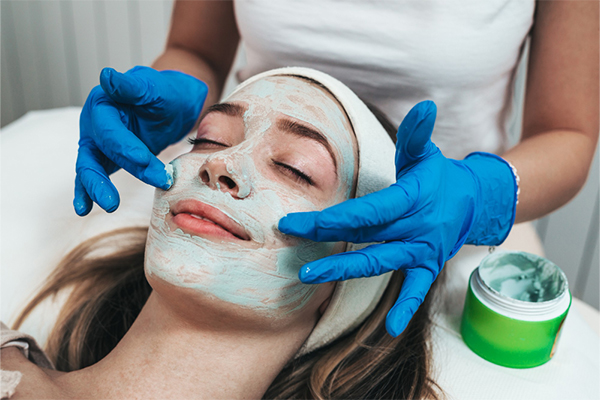
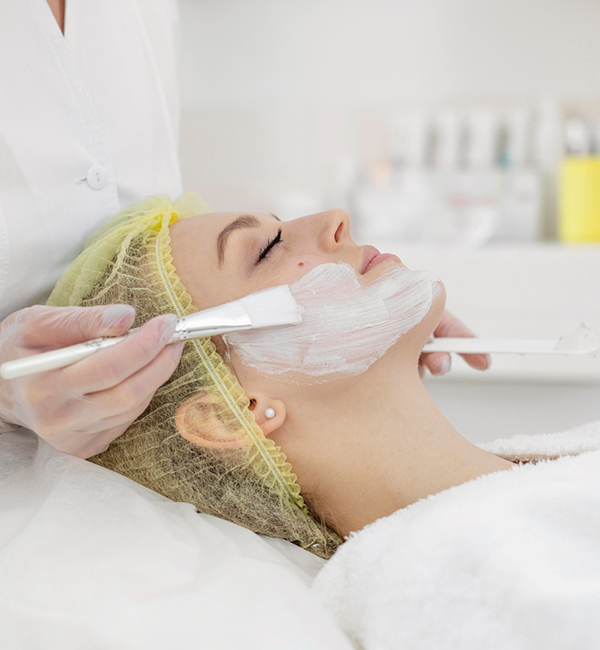
The chemical peel is also called a skin peel, which is the treatment process that aims to improve the look of the skin. In the process of this treatment, chemicals are applied to the skin to remove the damaged layers of the skin to give way to healthier-looking skin.
The treatment process for different conditions like dullness of skin, tanning, pigmentation, acne marks, uneven skin tone, and fine lines can be done through chemical peels. Chemical peel types depend upon the skin concern and the depth of treatment required.
Light peels are less likely to have any downtime, whereas deep peels take some time to heal. The doctor examines the skin before choosing the most suitable chemical peel for you.
After the treatment process, the skin becomes red, dry, or starts peeling for a few days, until the skin looks fresh and smoother.
At WFY Plastic Surgery, chemical peel treatment is planned according to your skin type and the concern you want to treat. Before starting, the doctor examines your skin and understands whether you are dealing with pigmentation, acne marks, dullness, tanning or uneven texture.
With 15+ years of experience and 6,000+ procedures, WFY Plastic Surgery provides personalised aesthetic treatments for different skin concerns. The type and strength of the peel are selected according to your skin condition rather than using the same treatment for everyone.
Some people may need a mild peel for improving dull skin and tanning, while others may require a series of sessions for concerns such as acne marks or pigmentation. The treatment plan is explained clearly before starting.
If you are looking for chemical peel treatment in Gurgaon, you can consult the team at WFY Plastic Surgery to understand which type of peel may be suitable for your skin.
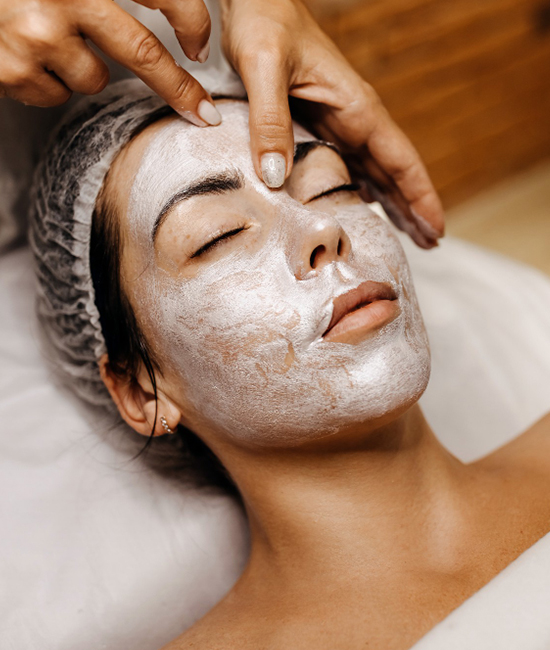
Our experienced doctors examine your skin before recommending treatment. The type of chemical peel and number of sessions are decided according to your individual skin concerns.
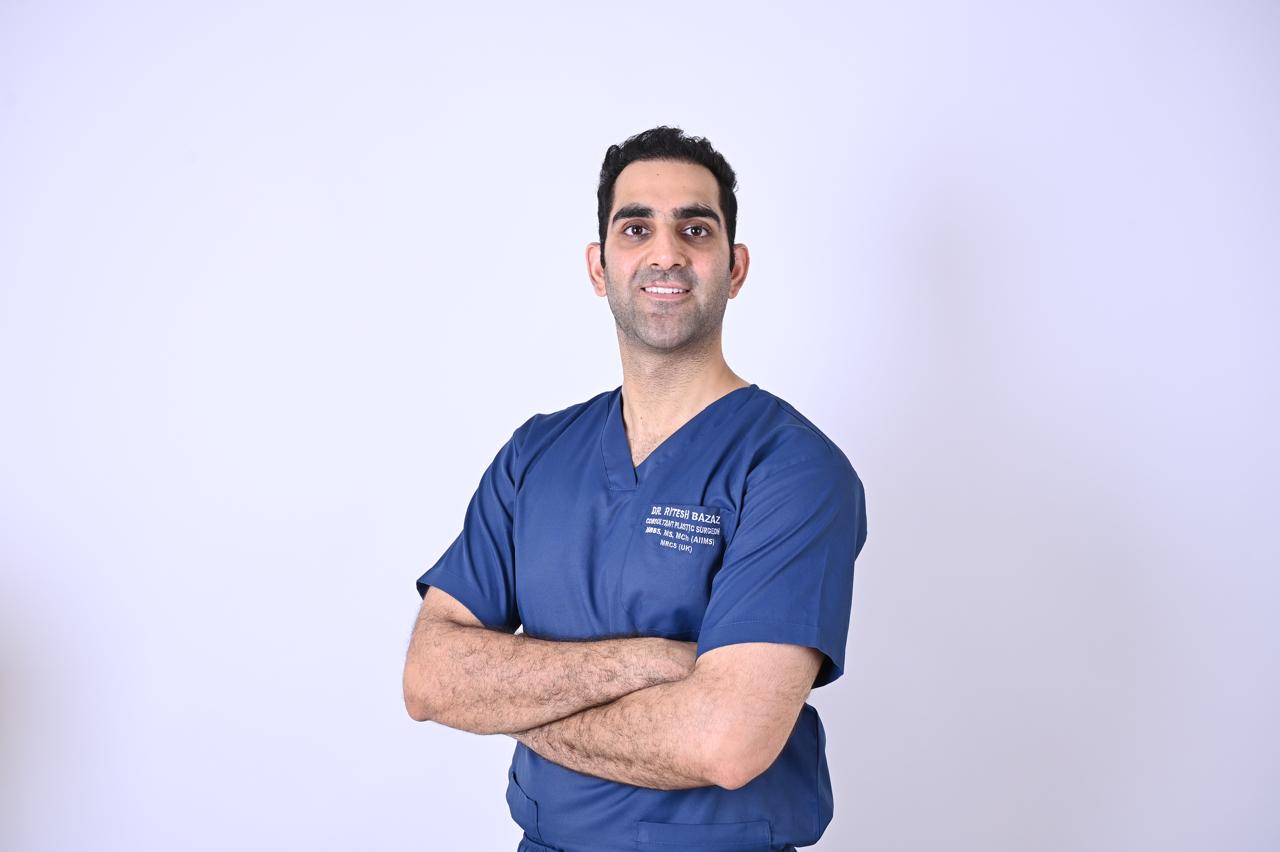
Known for meticulous contouring, natural-looking results and a patient-first surgical approach.

Specialist in body contouring, high-definition liposuction and advanced plastic surgery.
The chemical peel cost in Gurgaon depends on the type of peel, treatment area, and number of sessions required. A light peel usually costs less, while deeper or more specialised peels may have a higher cost.
| TYPE OF CHEMICAL PEEL | APPROXIMATE COST PER SESSION |
|---|---|
| Superficial Peel | ₹2,000 – ₹5,000 |
| Glycolic Acid Peel | ₹2,500 – ₹6,000 |
| Salicylic Acid Peel | ₹3,000 – ₹7,000 |
| TCA Peel | ₹5,000 – ₹15,000 |
| Specialised Chemical Peel | ₹8,000 – ₹20,000+ |
Chemical peel treatment may be considered by people who want to improve specific skin concerns without surgery.
Dull Skin - The treatment can help remove damaged outer skin layers and improve the overall appearance of dull skin.
Uneven Skin Tone - It may help improve areas where the skin looks darker or uneven.
Pigmentation - Some chemical peels can be used to treat certain pigmentation concerns.
Acne Marks - The treatment may help improve the appearance of mild acne marks over time.
Tanning - A suitable peel may help improve skin affected by sun exposure and tanning.
Uneven Texture - Chemical peels can help make the skin appear smoother and more even.
The doctor will examine your skin and recommend the type of peel suitable for your concern.
Different types of chemical peels can be used for different skin concerns depending on the skin type and severity.
The doctor examines your skin and discusses your concerns, such as pigmentation, acne marks, tanning or uneven texture, before selecting a suitable chemical peel.
The skin is cleansed thoroughly to remove oil, makeup and other products before the chemical peel is applied.
The selected chemical solution is carefully applied to the skin and left for a specific period according to the type and strength of the peel.
The doctor monitors your skin during the procedure to assess how it is responding to the peel. You may experience mild tingling or warmth.
Depending on the type of chemical peel used, the solution is either neutralised or removed after the required time. A soothing product may then be applied.
The doctor provides instructions about skincare, moisturising and sun protection to help your skin recover properly after the treatment.
Chemical peels can help improve different skin concerns and make the skin look fresher and smoother over time.
Brighter Skin - Removing damaged outer skin layers can help improve the appearance of dull and tired-looking skin.
Even Skin Tone - The treatment may help reduce the appearance of uneven skin tone and areas of discolouration.
Smoother Texture - Chemical peels can help remove damaged surface layers and improve rough or uneven skin texture.
Reduced Pigmentation - Suitable chemical peels may help improve the appearance of certain pigmentation concerns.
Improved Acne Marks - A series of treatments may help make mild acne marks and post-acne discolouration less noticeable.
Non-Surgical Treatment - The procedure does not involve cuts, stitches or surgical recovery.
Recovery after a chemical peel depends on the type and strength of the peel. Lighter peels generally require less recovery time, while stronger peels may need more time for the skin to settle.
The skin may feel warm, tight or mildly sensitive after the treatment. Some redness may also occur depending on the type of chemical peel used.
The skin may become dry or start peeling as it responds to the treatment. Avoid picking or peeling the skin and follow the skincare instructions provided by your doctor.
The skin gradually begins to settle and peeling usually reduces. Moisturisers and sunscreen should be used according to your doctor's recommendations.
If multiple sessions are recommended, follow the advised time gap between treatments. Avoid strong skincare products or active ingredients unless specifically recommended by your doctor.
Chemical peels are generally well tolerated when the appropriate peel is selected, but temporary side effects can occur during the skin's recovery.
Possible complications include:Redness - The treated skin may appear red for a short period after the chemical peel.
Dryness - The skin may become dry, tight or slightly uncomfortable during the healing process.
Peeling - Mild to visible peeling can occur depending on the type and strength of the chemical peel used.
Skin Sensitivity - The treated area may feel more sensitive or tender for a few days after treatment.
Temporary Darkening - Some people may notice temporary darkening of the treated skin while it is recovering.
Pigment Changes - Changes in skin colour can occur in some cases, particularly when proper aftercare and sun protection are not followed.
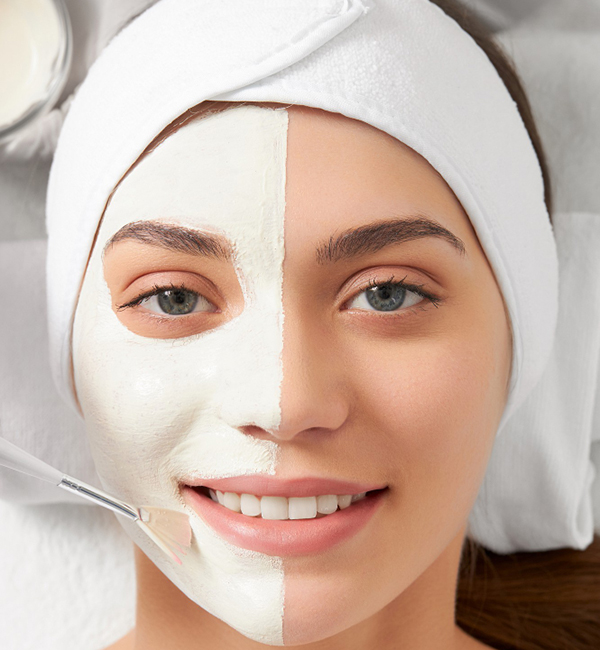
Chemical peel treatment should be selected according to your skin type and the concern you want to improve. At WFY Plastic Surgery, the treatment is planned after carefully assessing your skin.
The WFY team has more than 15 years of experience in surgical and aesthetic treatments.
The team has performed more than 6,000 procedures across different treatment areas.
Your skin is examined before selecting the type and strength of chemical peel suitable for your concerns.
The treatment plan is based on your individual skin concerns, skin type and specific requirements.
The type and strength of the chemical peel are selected according to your skin condition and treatment needs.
Clear instructions are provided to help you care for your skin and protect it after the treatment.
No page can explain the experience better than the people who have lived it. Watch our patients talk about their decision, their surgery day, and life after liposuction at WFY.
The number of sessions depends on your skin concerns, skin type and the type of chemical peel used. Some concerns may improve with one treatment, while others may require multiple sessions.
The timing for washing your face depends on the type of peel performed. Your doctor will provide specific instructions about when and how to cleanse your skin after treatment.
It is generally advisable to allow the skin to settle after treatment and avoid makeup until your doctor confirms that it is safe to use.
You can go outside when advised by your doctor, but protecting the treated skin from the sun is important. Use sunscreen as recommended and avoid unnecessary sun exposure during recovery.
Certain mild chemical peels may be suitable for sensitive skin, but the doctor should assess your skin first and recommend an appropriate peel based on your individual needs.
Take the first step towards your aesthetic goals. Book a personalised consultation with our experienced plastic surgery team and discover the treatment that's right for you.