WFY Plastic Surgery offers otoplasty surgery in Gurgaon for people who want to improve the shape, size, or position of their ears and feel more comfortable with their appearance.


Otoplasty is a surgery to reshape, reduce the size of, or reposition the ears. Otoplasty can also be called ear surgery or ear pinning. People choose to undergo this surgery if they feel that their ears stick out or if they have an ear shape/size concern.
Ear reshaping surgery is a cosmetic surgery that is performed on the cartilage of the ears. The cartilage of the ear can be changed by reshaping it, or by folding it, and/or by repositioning it. In some cases, excess cartilage or skin may be removed.
Some people have ears that protrude from childhood. Others may have an ear that is uneven or irregular due to an injury, or something else. Otoplasty is performed differently based on these reasons.
The surgery does not impact hearing because the surgery does not affect the inner ear. The goal is to make the ears look more proportionate to the face, while still looking natural.
The clinic at WFY Plastic Surgery offers options to those who are unhappy with the appearance or shape of their ear. The team will take time to learn about what you would like to alter before deciding what amount of improvement is required.
The clinic has more than 15 years of experience and has performed 6,000+ procedures in the fields of cosmetic and plastic surgery. During the consultation, the ears are inspected with care, as even a slight variation between them could affect the appearance of the final result. The surgeon also considers how the ears are placed with respect to the face.
For certain patients, the most pressing issue is that their ears stand out. Other patients may be looking to alter the size, shape, and folds of the ears. The method of treatment may vary for each situation, which is why the procedure isn't executed in exactly the same way for every patient.
If you're comparing an otoplasty center in Gurgaon, you can discuss your concerns, the expected outcomes, as well as the cost for otoplasty in Gurgaon with the WFY team prior to making a choice.

At WFY Plastic Surgery, otoplasty is performed by experienced and qualified plastic surgeons who have experience with facial and cosmetic procedures. The team carefully assesses the shape, size, position, and overall appearance of the ears before planning the surgery.
During the consultation, you can discuss what you would like to change about your ears, whether it is their prominence, shape, size, or symmetry. The surgeon can then explain the suitable surgical options, expected results, and any limitations based on your individual ear structure.
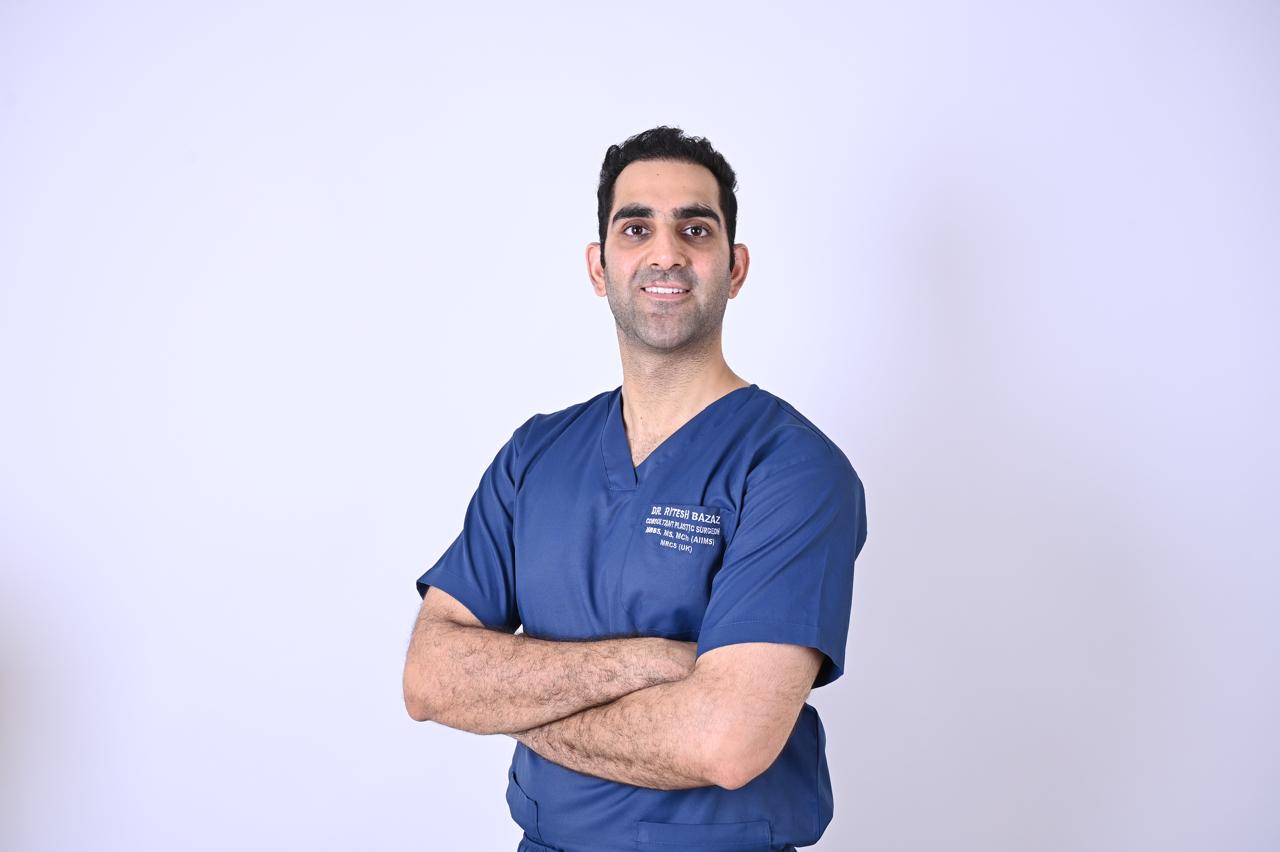
Known for meticulous contouring, natural-looking results and a patient-first surgical approach.
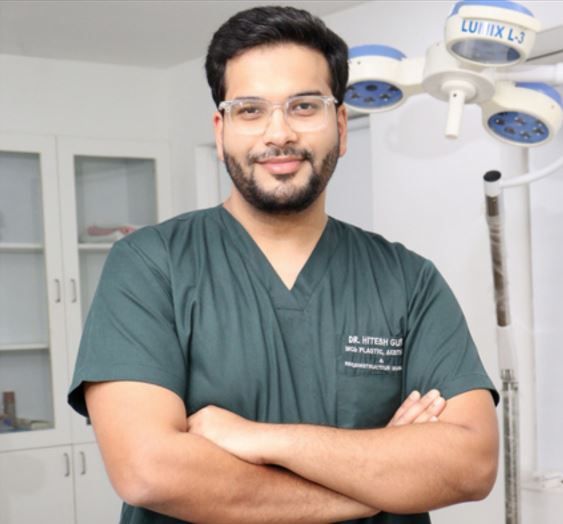
Specialist in body contouring, high-definition liposuction and advanced plastic surgery.
The otoplasty cost in Gurgaon depends on the type of correction required, whether one or both ears are being treated, the surgical technique, and the complexity of the procedure. The final cost may also vary depending on the surgeon's fees, anaesthesia, facility charges, and other treatment requirements. An exact estimate can be provided after the surgeon examines your ears and understands the correction needed.
| TYPE OF OTOPLASTY PROCEDURE | APPROXIMATE COST IN GURGAON |
|---|---|
| Single Ear Otoplasty | ₹25,000 – ₹40,000 |
| Both Ear Otoplasty | ₹50,000 – ₹80,000 |
| Complex Ear Reshaping | ₹1,00,000 – ₹1,75,000+ |
| Revision Otoplasty | ₹1,00,000 – ₹1,50,000+ |
Otoplasty may be suitable if you are unhappy with the appearance of your ears, feel that they protrude too far from your head, or have concerns about their shape, size, or symmetry. The procedure can be considered for both adults and children once the ears have developed sufficiently.
You may be a suitable candidate if:
Prominent Ears: Your ears stick out noticeably from the sides of your head.
Uneven Ears: One ear looks different from the other in terms of position, shape, or size.
Shape Concern: You are unhappy with the shape, folds, or overall appearance of your ears.
Size Concern: Your ears appear larger or smaller than you would like in proportion to your face.
Developed Ears: Your ears have developed sufficiently for surgery to be considered appropriate.
Good Overall Health: You are healthy enough to undergo surgery and have a normal healing process.
Realistic Expectations: You understand that otoplasty can improve the appearance of the ears but cannot guarantee that both ears will be exactly identical.
A consultation is important because the appropriate technique depends on the shape, cartilage, position, and individual concerns of your ears. Your surgeon will examine your ears and explain what correction can be safely achieved.
Otoplasty can address different parts of the outer ear, depending on the shape, position, and concerns you want to improve:
Both ears are carefully examined and compared. Your surgeon discusses the changes you want and plans the correction according to the shape and position of your ears.
Before surgery, the areas that need correction are marked carefully. This helps the surgeon plan the reshaping and repositioning of the ears.
The type of anaesthesia depends on your age, the extent of the procedure, and the surgeon's recommendation.
An incision is usually made behind the ear. The position of the incision is planned carefully to help keep the scar less noticeable after healing.
The ear cartilage is carefully reshaped, folded, or repositioned to improve the shape and create a more natural appearance.
When the ears are prominent, they may be moved closer to the side of the head and secured in their planned position.
Once the desired shape and position have been achieved, the incision is closed with suitable stitches and the treated area is dressed.
A dressing or headband may be recommended to protect the ears during the initial healing period. You will also receive instructions about sleeping, washing your hair, medicines, and caring for the treated area.
If you feel uncomfortable with the appearance of your ears, otoplasty can help improve their shape, position, and proportion while maintaining a natural-looking appearance.
Less Prominent Ears: Helps bring ears closer to the side of the head when they appear to stick out.
Improved Ear Shape: Reshapes the ear cartilage to improve its overall form and natural folds.
Better Facial Balance: Helps the ears appear more proportionate to the rest of the face.
Better Symmetry: Can reduce noticeable differences in the shape or position of the two ears.
Less Noticeable Scars: Incisions are typically placed behind the ear to help keep scars less visible after healing.
Long-Lasting Results: The reshaped cartilage is positioned to maintain the improved shape as healing progresses.
Increased Confidence: Improving the appearance of the ears may help you feel more comfortable and confident about your appearance.
Recovery after otoplasty is generally gradual, and the ears may appear swollen or feel tender during the early stages. Soreness, bruising, tightness and temporary changes in sensation can occur while the ears heal and adjust to their new position.
The ears may feel sore, swollen or tight during the first week. A dressing or headband may be used to protect the ears and support their position. You may be advised to avoid sleeping directly on your ears and to follow your surgeon's wound-care instructions.
Initial swelling and bruising generally begin to decrease during this period. You may feel more comfortable returning to light daily activities, but the ears should still be protected from accidental knocks, pressure or bending.
As swelling continues to settle, the shape and position of the ears become easier to appreciate. The ears may gradually feel more comfortable, although some tenderness or changes in sensation can remain.
Most routine activities can be gradually resumed once your surgeon gives you clearance. Activities that could bend, pull or injure the ears should be avoided until you are advised that they are safe.
Most of the visible swelling should have reduced by this stage. The ears begin to look more natural as the tissues continue to heal, although minor swelling or changes in sensation may still be present.
The final shape and position of the ears become clearer as healing progresses. Small changes in swelling, sensitivity or sensation may continue to improve during this period.
Otoplasty is generally considered a safe surgical procedure, but like any surgery, it carries some risks. Swelling, bruising, soreness and temporary changes in sensation can occur during recovery. Most of these changes improve as the ears heal. Some complications may require additional treatment or further surgery.
Possible complications include:Bleeding: Bleeding can occur after surgery and may sometimes lead to blood collecting beneath the skin and require treatment.
Infection: An infection can develop around the incision or ear cartilage and may require medication or additional care.
Swelling: Swelling around the ears can continue for several weeks as the tissues gradually heal.
Changes in Sensation: Temporary numbness, tingling or increased sensitivity may occur around the ears during recovery.
Scarring: A scar is usually present behind the ear, although it is generally placed in a less noticeable location and may become less visible as it heals.
Unequal Results: The ears may not appear perfectly identical after surgery, as natural differences between the ears can remain.
Cartilage Changes: Changes in the ear cartilage during healing may affect the final shape or position of the ear.
Stitching Issues: Sutures may sometimes become noticeable, loosen, irritate the skin or require additional treatment.
Recurrence: In some cases, the ear may partially move back toward its original position during or after healing.
Revision Surgery: A second procedure may occasionally be required if additional correction is needed or if the desired result is not achieved.

Otoplasty involves carefully reshaping and repositioning the ears, where even small changes can affect their overall appearance and balance with the face. Careful assessment and personalised planning are important for achieving a natural result.
WFY Plastic Surgery has more than 15 years of experience in plastic, cosmetic and facial surgery procedures.
The plastic surgery team has performed more than 6,000 surgical and aesthetic procedures for different treatment needs.
Otoplasty is performed under the guidance of experienced and qualified plastic surgeons with experience in facial and cosmetic procedures.
Both ears are examined and compared to understand their shape, position, symmetry and the areas that may require correction.
The surgical plan is based on the shape and position of your ears, the changes you want and the correction that can realistically be achieved.
The goal is to improve the position and shape of the ears while maintaining proportions that look natural with your facial features.
The natural differences between both ears are considered during planning to help create a balanced and harmonious appearance.
You receive guidance about dressings, ear protection, sleeping positions, activities and follow-up care during the recovery period.
No page can explain the experience better than the people who have lived it. Watch our patients talk about their decision, their surgery day, and life after liposuction at WFY.
Yes. If one ear is more prominent or has a noticeably different shape or position, otoplasty may sometimes be performed on only that ear. However, both ears are usually examined before surgery to help achieve a balanced and natural-looking result.
In some cases, yes. If an injury has changed the shape or position of the ear, otoplasty may help correct the appearance. The appropriate treatment depends on how the cartilage and surrounding tissues have been affected.
You may need to wait for a short period before washing your hair normally, especially while the incision, dressing or treated area is healing. Your surgeon will advise you when it is safe to wash your hair and how to clean the area without putting unnecessary pressure on the ears.
Headphones that put pressure on the ears are generally best avoided during the early recovery period. Your surgeon will let you know when it is safe to start using headphones again based on how your ears are healing.
Yes. Otoplasty can be used to reshape the cartilage, improve specific ear folds or address other shape concerns without necessarily moving the ears closer to the head. The surgical approach depends on the structure of your ears and the changes you want to achieve.
Take the first step towards your aesthetic goals. Book a personalised consultation with our experienced plastic surgery team and discover the treatment that's right for you.