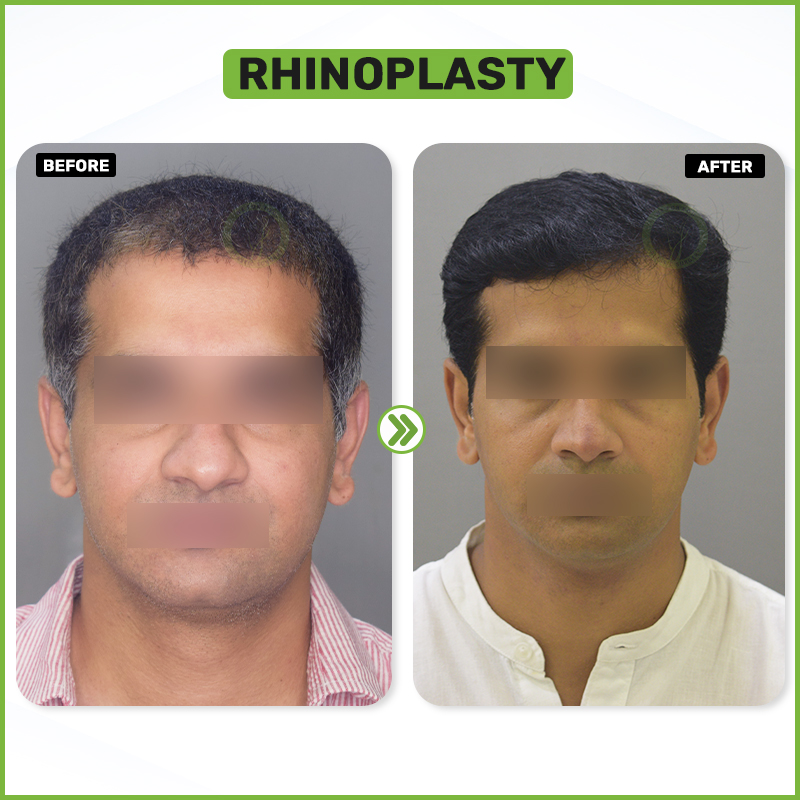
WFY Plastic Surgery offers FUE hair transplant in Gurgaon for men and women experiencing hair loss, receding hairlines, or bald patches and looking for a surgical hair restoration option.
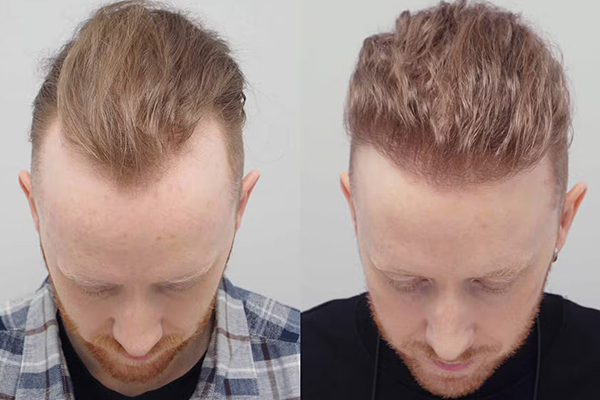
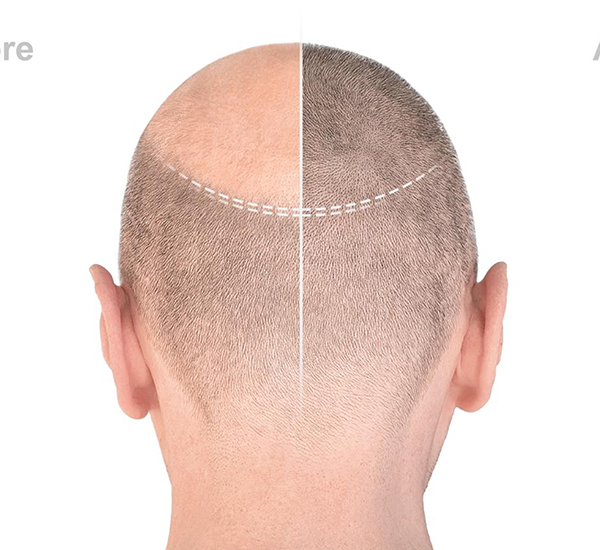
FUE Hair Transplant, better known as Follicular Unit Extraction, is a type of hair restoration surgery that involves extracting individual hair follicles and transplanting them to areas of the scalp experiencing hair loss.
Hair for this procedure is harvested from areas of the scalp that have thicker and less thinning hair. Unlike strip harvesting, where a strip of skin is excised, follicular units are extracted individually using a special method.
They are then implanted in areas like the front hairline, temples, crown, or any other area of hair thinning. Direction and angle are carefully calculated to ensure that when the hair grows, it will look natural amidst other hair.
The number of follicular units needed depends on the extent of the area needing treatment, hair loss, and availability of donor hair. Your doctor will conduct an examination to determine your suitability for FUE.
At WFY Plastic Surgery, FUE Hair Transplant is determined based on your patterns of hair loss, scalp condition, and quality of hair at the donor site. The treatment is done based on the entire evaluation and not just the graft count. Other factors include the availability of the donor area and future hair growth and its blending with the remaining hair.
With over 15 years of experience and over 6000 procedures performed, WFY offers customized cosmetic and surgical procedures. During consultation, the doctor evaluates issues such as receding hairline, thinning crown, bald spots, and reduced hair density.
The donor area is evaluated to determine how many grafts can be safely harvested and used. Once the hairline and treatment area are evaluated based on your facial features and pattern of hair loss, the process is done to provide the best possible results, focusing on hair growth and realistic coverage.
If you are looking for a professional Hair Transplant Clinic in Gurgaon, you can consult WFY for your hair loss issues and other available Hair Transplant procedures.
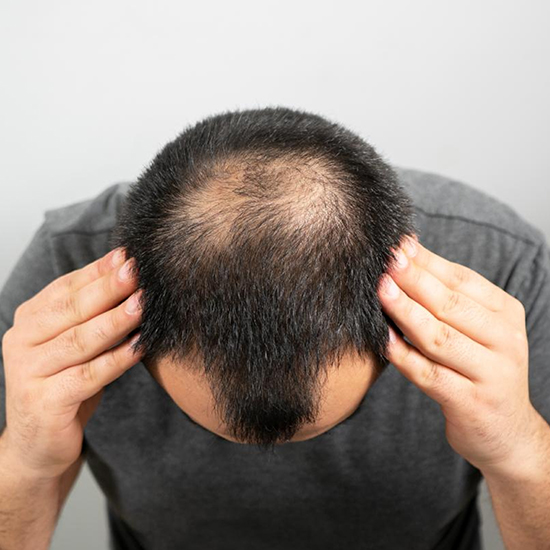
WFY Plastic Surgery has experienced and qualified doctors who perform hair restoration procedures. Your scalp, donor area, and pattern of hair loss are assessed before planning the treatment.
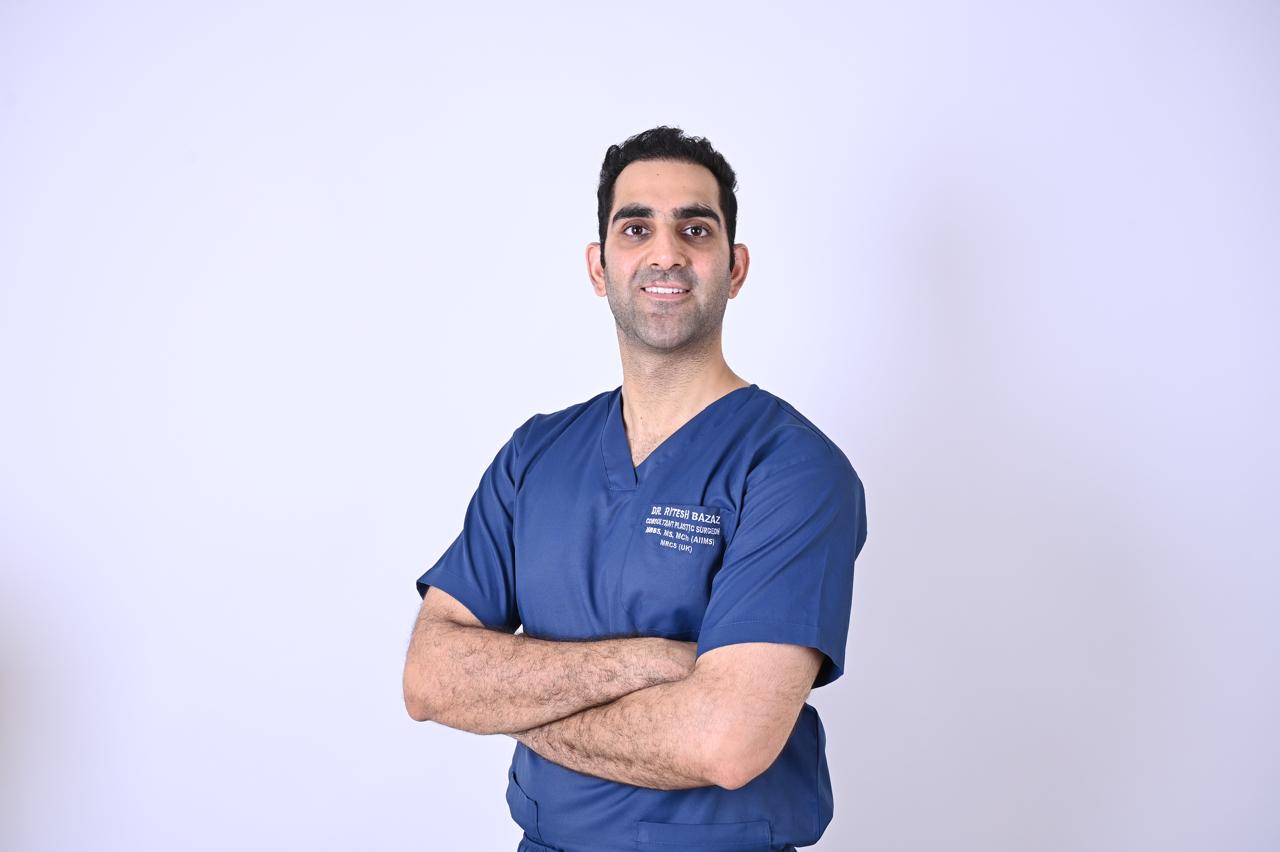
Known for meticulous contouring, natural-looking results and a patient-first surgical approach.
Specialist in body contouring, high-definition liposuction and advanced plastic surgery.
The FUE hair transplant cost in Gurgaon starts at around ₹60,000. The final cost depends on the number of grafts required, the area being treated, and the overall complexity of the procedure.
| FUE HAIR TRANSPLANT | APPROXIMATE COST |
|---|---|
| 1,000 Grafts | ₹60,000 – ₹90,000 |
| 1,500 Grafts | ₹75,000 – ₹1,10,000 |
| 2,000 Grafts | ₹90,000 – ₹1,35,000 |
| 2,500 Grafts | ₹1,10,000 – ₹1,60,000 |
| 3,000+ Grafts | ₹1,30,000 – ₹2,00,000+ |
FUE hair transplants are suitable for people who have permanent hair loss and have healthy hair in the donor area. Your hair loss pattern and the condition of your scalp are also assessed to determine whether FUE may be right for you.
You may be a candidate if you have:
Receding Hairline: Your hairline has moved higher and requires additional coverage.
Bald Patches: There are areas of the scalp where hair is no longer growing.
Crown Thinning: You have moderate to significant thinning of hair around the crown area.
Pattern Baldness: Your hair loss follows a pattern that may be suitable for hair transplantation.
Healthy Donor Area: You have sufficient strong hair at the back or sides of the scalp for graft harvesting.
Stable Hair Loss: Your hair loss pattern is relatively stable and can be assessed for transplantation.
Realistic Expectations: You understand that the final result depends on factors such as the number of grafts available and the quality of the donor hair.
Your doctor will assess your scalp and donor area and let you know whether FUE hair transplantation can provide the coverage you are looking for.
FUE hair transplant can be planned for different areas depending on your pattern of hair loss and donor hair availability.
Your surgeon reviews your hair loss pattern, evaluates the donor area, and discusses your hair restoration goals and concerns.
Your hairline and treatment areas are planned according to your facial features, existing hair, hair loss pattern, and available donor hair.
The donor area is prepared for safe individual graft extraction. Local anaesthesia is provided to help keep you comfortable during the procedure.
Individual FUE grafts are carefully extracted from the donor area while taking care to minimise damage to the follicles. The grafts are kept in a suitable solution during the procedure.
The recipient areas are prepared where new hair growth is required. The openings are created according to the planned direction and pattern of existing hair growth.
The extracted grafts are carefully placed into the prepared areas. Their angle and direction are planned to help the transplanted hair blend naturally with the existing hair.
After graft placement, the doctor checks both the donor and recipient areas to assess the treatment and ensure the planned areas have been appropriately covered.
You receive instructions about scalp washing, sleeping position, daily care, and activities to avoid. Your doctor will also explain what to expect as the transplanted hair begins to grow.
FUE can be considered by people looking to restore hair in thinning or bald areas using their own hair follicles from the donor area.
Individual Graft Extraction: Individual hair follicles are carefully extracted from the donor area.
No Linear Scar: FUE does not involve removing a strip of scalp, so it does not leave a linear scar.
Natural-Looking Hairline: The hairline can be planned according to your facial features, existing hair, and pattern of hair loss.
Uses Your Own Hair: The transplanted follicles are taken from your own donor area.
Long-Term Hair Growth: Healthy transplanted follicles can continue to grow hair for a long time.
Different Areas Can Be Treated: FUE can be planned for the hairline, temples, crown, mid-scalp, and other areas of thinning.
Natural-Looking Coverage: Careful graft placement can help the transplanted hair blend with the existing hair.
Recovery after an FUE hair transplant takes place gradually. During the first few days, you may experience mild scalp soreness, swelling, or small scabs around the donor and transplanted areas. Your doctor will provide instructions to protect the grafts and support proper healing.
Small scabs may develop on the donor and transplanted areas, and mild swelling or soreness can occur during the first few days. Follow your doctor's instructions about sleeping, scalp protection, and washing the transplanted area.
The scabs gradually begin to fall away and the scalp starts to look more even. Some of the transplanted hairs may also shed during this stage, which can be a normal part of the hair growth cycle.
Some transplanted hairs may continue to shed while the follicles remain in place. New hair growth will develop gradually as the transplanted follicles enter their natural growth cycle.
Shedding of the transplanted hair can continue during this period. New hairs may begin to appear gradually and can initially look fine or uneven before becoming thicker over time.
New hair growth becomes more noticeable during this stage. The transplanted hair gradually increases in thickness and the treated area can begin to appear fuller.
For many patients, the transplanted hair has developed significantly by this stage. Hair density and appearance can continue improving, and some patients may see further changes beyond the first year.
FUE hair transplant is a surgical procedure, so some side effects and complications can occur during recovery. Most temporary effects settle with proper aftercare.
Possible complications include:Swelling: Mild swelling can develop around the scalp or forehead after the procedure.
Redness: The donor and transplanted areas may remain red for some time during the healing process.
Scabbing: Small scabs commonly form around the transplanted grafts during the early healing period.
Bleeding: Minor bleeding can occur from the donor or recipient area after the procedure.
Infection: Infection is uncommon but can occur if the treated areas are not cared for properly.
Temporary Numbness: The scalp may feel numb or have altered sensation for some time after the procedure.
Uneven Growth: The transplanted hair may not grow at the same rate in every treated area.
Poor Graft Growth: Some transplanted hair follicles may not grow as expected after transplantation.
Small Scars: Tiny marks can remain in the donor area after individual follicle extraction.
Further Sessions: Additional grafting may sometimes be needed to improve hair coverage or density depending on your individual hair loss and treatment goals.
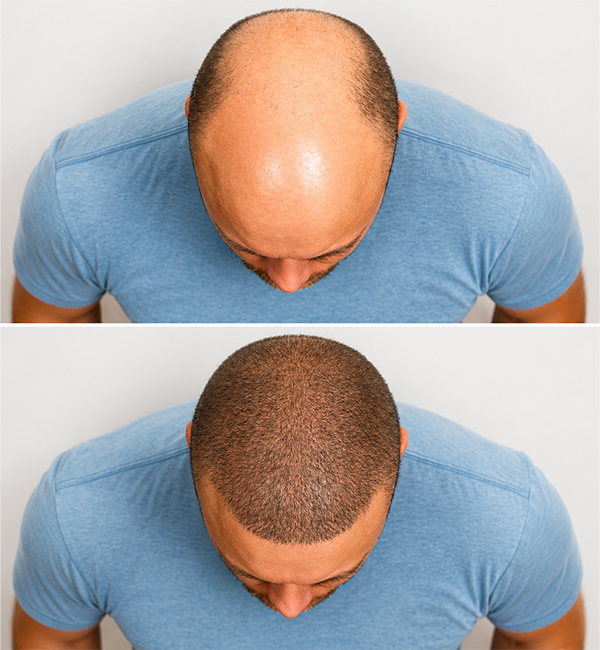
A successful FUE hair transplant depends on proper donor area assessment, careful graft extraction, and natural placement of the transplanted hair. At WFY Plastic Surgery, the treatment is planned according to your individual pattern of hair loss.
The WFY team has more than 15 years of experience in cosmetic and surgical treatments.
The team has performed more than 6,000 procedures across different cosmetic and surgical treatments.
Your hairline is planned according to your facial features and existing hair pattern.
The available donor hair is checked before deciding how many grafts can be safely used for transplantation.
The direction and angle of each graft are considered to support natural-looking hair growth.
You receive guidance about scalp care, hair washing, and the recovery process after your transplant.
No page can explain the experience better than the people who have lived it. Watch our patients talk about their decision, their surgery day, and life after liposuction at WFY.
FUE stands for Follicular Unit Extraction. It is a hair restoration technique in which individual hair follicles are extracted from the donor area and transplanted into areas affected by hair loss.
FUE does not leave a long linear scar because a strip of scalp is not removed. However, small extraction marks can remain in the donor area after the follicles are harvested.
The number of grafts depends on your pattern of hair loss, the size of the area being treated, your desired coverage, and the amount of healthy donor hair available. Your doctor will assess these factors before planning the procedure.
Local anaesthesia is used during the procedure to keep you comfortable. Some soreness, tenderness, or mild discomfort may be present during the early recovery period.
Hair growth takes time after an FUE transplant. New growth usually develops gradually, while a fuller result can take around 9–12 months or longer to develop depending on the individual hair growth cycle.
Take the first step towards your aesthetic goals. Book a personalised consultation with our experienced plastic surgery team and discover the treatment that's right for you.