WFY Plastic Surgery offers rhinoplasty procedures in Gurgaon for those who wish to enhance the size, shape, as well as the overall shape of their nose, while making sure it is in harmony with their face.


Rhinoplasty, commonly known as a nose job, alters and reshapes the structure of your nose. Many people express their displeasure and unhappiness with the appearance of their noses by seeking nose-reshaping surgery. The surgery can change the appearance of your nose to your liking by addressing issues with the size, shape, or appearance of the tip and/or the bridge of your nose. It can also improve problems caused by the structure of the nose with breathing.
People wonder how to reshape bridges to address either a hump or how to narrow a nose that is wide. There are also concerns with the shape of the tip and with breathing. Humps can be alignment issues caused by trauma that affect the nose’s breathing as well as the structure of the nose.
Unlike most procedures that aim for uniformity, rhinoplasty is about making the nose that fits you and your face, and the appearance you desire to have. Appearing natural and beautiful are the goals of this procedure. Surgeons analyze the proportions and shapes of faces as they concern nasal aesthetics to help them decide how to best move forward with surgery.
At WFY Plastic Surgery, we analyze your nose and your concerns before carefully constructing a plan for your rhinoplasty. The team considers how your nose fits with your cheeks, lips, chin, and other facial features.
The clinic has over 6,000 procedures and 15+ years of experience with plastic, cosmetic, and body contouring procedures. For rhinoplasty, we focus on carefully reshaping the nose without making a drastic change to how the nose interacts with the rest of the facial features.
There are patients who come for a strictly cosmetic change, and there are others who have cosmetic and breathing concerns. Through a personalized approach, we can discuss your surgical needs and whether your nose should be reshaped or whether you require a functional correction for breathing.
Rhinoplasty is a procedure that can change both the appearance of the nose and the breathing function. If you are interested in getting a rhinoplasty in Gurgaon, our consultation can help you determine what can realistically be changed and what approach is best for your nose.

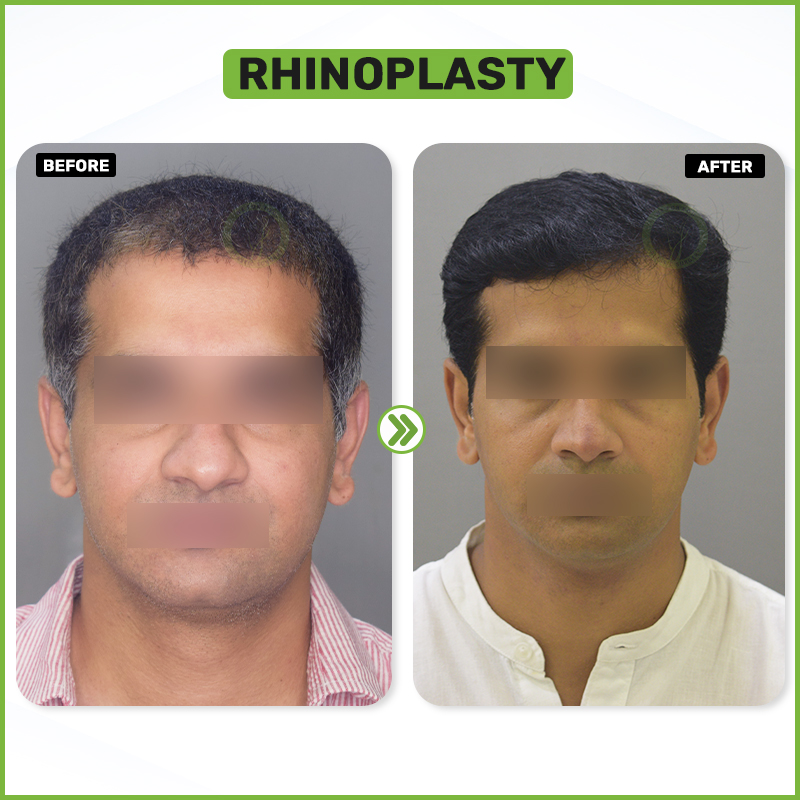
At WFY Plastic Surgery, rhinoplasty is performed by experienced and qualified plastic surgeons who have experience in facial and cosmetic surgery. Before recommending surgery, the team looks at your nose, facial structure, and the changes you want to make.
During the consultation, you can talk openly about what you like and dislike about your nose. The surgeon can then explain the possible options, expected results, and any limitations based on your nasal structure.
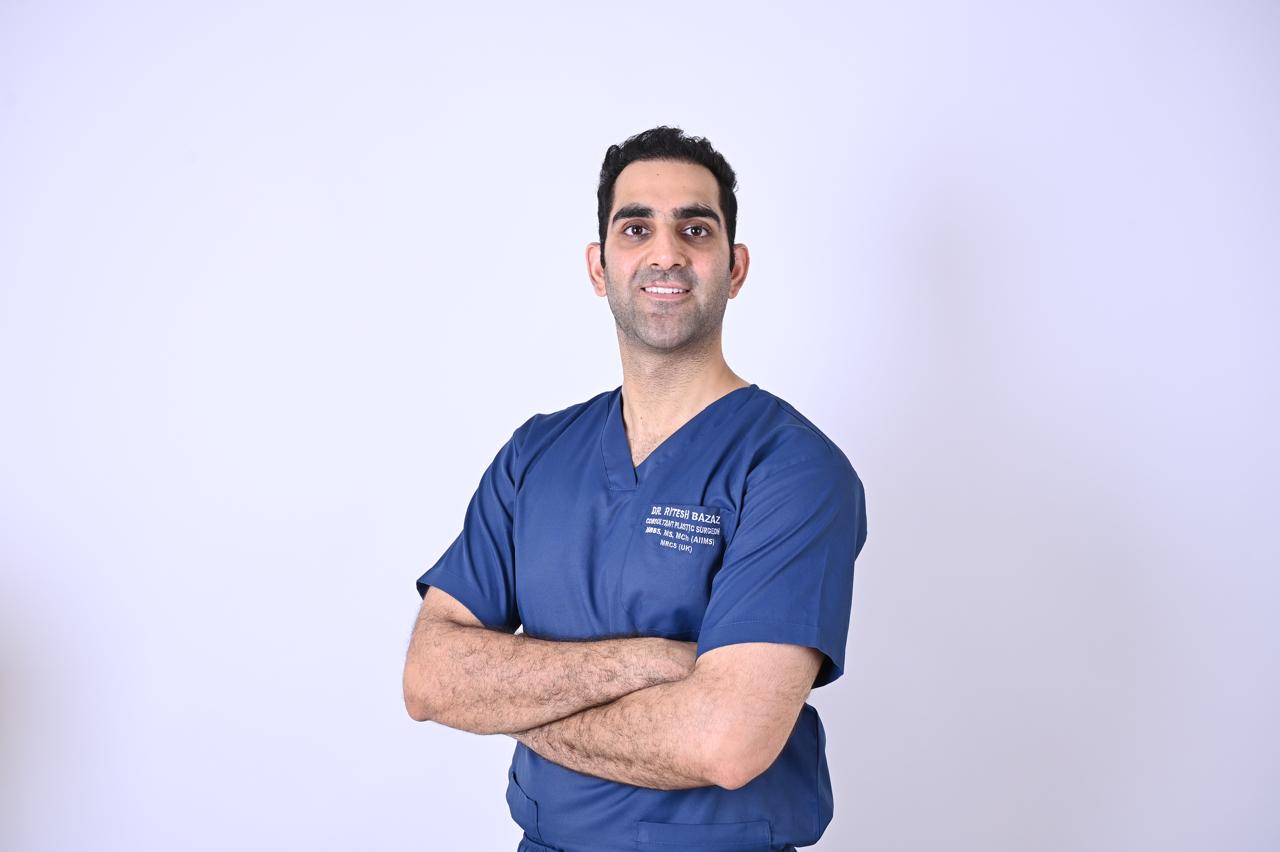
Known for meticulous contouring, natural-looking results and a patient-first surgical approach.

Specialist in body contouring, high-definition liposuction and advanced plastic surgery.
Rhinoplasty cost in Gurgaon begins at around 1,25,000 Rupees and may go up to 3,00,000 Rupees and beyond, based on the surgery type, complicated nature, approach, and anesthesia, in addition to the surgeons' fees for aesthetic nasal corrections and graftings. The current sources of pricing in Gurgaon show that the initial level rhinoplasty is priced somewhere between 1.25 lakhs and 2.25 lakhs, while complicated and revisional rhinoplasty procedures attract an even higher price tag.
| TYPE OF RHINOPLASTY | APPROXIMATE COST IN GURGAON |
|---|---|
| Closed Rhinoplasty | ₹1,25,000 – ₹1,75,000 |
| Open Rhinoplasty | ₹1,00,000 – ₹2,00,000 |
| Tip Rhinoplasty | ₹70,000 – ₹1,00,000 |
| Septorhinoplasty | ₹1,50,000 – ₹2,00,000 |
| Revision Rhinoplasty | ₹1,50,000 – ₹3,00,000+ |
Rhinoplasty may be suitable if you are unhappy with the shape or size of your nose, have a crooked or uneven nose, or have breathing problems related to the nasal structure. You should also be in good overall health and have realistic expectations about what surgery can change.
You may be a suitable candidate if:
Unhappy With Nose Shape: You feel the size or shape of your nose does not suit your face.
Nose Hump: You have a noticeable bump on the bridge of your nose.
Broad Nose: You want to reduce the width of the bridge or nostrils.
Nasal Tip Concern: You want to change a bulbous, drooping or poorly defined tip.
Crooked Nose: Your nose looks uneven or has changed after an injury.
Breathing Difficulty: You have difficulty breathing because of the structure inside your nose.
Healthy and Stable: You are in good health, your facial growth is complete and you have realistic expectations.
A consultation is important because the same concern can need a different approach in different people. Your surgeon will examine your nose and explain what can be done safely.
Rhinoplasty can address different parts of the nose, depending on what you want to improve:
The surgeon will examine your nose and explain what you'd like to change. Your facial proportions and breathing are assessed prior to deciding on the surgical procedure.
Prior to surgery, the areas that require shaping are identified. This gives the surgeon a clear idea of how to proceed.
Rhinoplasty is usually done under general anaesthesia or with deep sedation, based on the surgical procedure and the surgeon's recommendations.
The surgeon will make the necessary incisions, either through the nose or by opening the approach. The choice is based on the work required to be completed.
The cartilage and bone are precisely transformed. A hump can be trimmed, the tip could be smoothed, and other areas of the nose could be altered.
In certain situations, cartilage could be utilized to provide the nose with more support or to improve its shape. The need for grafting is contingent upon the specific situation.
After the desired shape has been created, the skin is positioned over the nose, and the incisions are closed.
The nasal splint could be used to help assist nasal tissues during the initial process of healing. You will also be provided with instructions regarding medications, sleeping positions, activities, and follow-up.
If you have been unhappy with your nose for a long time, rhinoplasty can make a noticeable difference to the way your face looks. When breathing problems are also present, the surgery may help address those concerns as well.
Improves Nose Shape: Changes the shape of the nose according to your facial structure.
Better Facial Balance: Helps the nose look more balanced with the rest of your face.
Refines the Tip: Can improve the shape or projection of the nasal tip.
Reduces a Nose Hump: Can smooth a prominent bump on the bridge.
Corrects Some Breathing Problems: Functional rhinoplasty can address certain structural causes of poor airflow.
Helps With Nasal Asymmetry: Can improve an uneven or crooked-looking nose.
Long-Lasting Change: Once healing is complete, the reshaped nasal structure is intended to provide a lasting result.
Recovery after rhinoplasty is gradual, and the nose will not immediately appear in its final shape after surgery. Swelling, bruising, nasal congestion, tightness and temporary changes in sensation are common during the early stages of healing. The nose continues to refine as swelling gradually settles.
Swelling and bruising are commonly visible around the nose and eyes during the first week. Nasal congestion and a feeling of tightness may occur. Rest is important, and keeping your head elevated while sleeping may be recommended. A nasal splint is usually kept in place during the initial healing period and may be removed according to your surgeon's instructions.
Most of the visible bruising usually begins to settle during this period. You may gradually return to light daily activities as advised by your surgeon, although swelling will still be present and the nose should be protected from accidental bumps or pressure.
The nose gradually starts to look more natural as swelling continues to decrease. Some swelling, particularly around the tip, may remain. You can gradually resume normal activities according to your surgeon's advice.
Many patients can gradually return to exercise and other physical activities after receiving clearance from their surgeon. Activities or sports that could cause pressure or injury to the nose should still be avoided until you are advised that they are safe.
As swelling continues to reduce, the shape and definition of the nose become more apparent. Small areas of swelling, firmness or numbness may still be present, particularly around the nasal tip.
The nose continues to refine as the remaining swelling gradually settles. Subtle changes in shape and definition can continue during this period, with the final result depending on the surgical technique, individual healing and nasal tissue characteristics.
Like any surgical procedure, rhinoplasty carries some risks. Swelling, bruising, nasal congestion and temporary changes in sensation are common during recovery and usually improve as the nose heals. Some complications may require additional medical treatment or further surgery.
Possible complications include:Bleeding: Bleeding can occur after surgery and may sometimes require additional treatment.
Infection: An infection can develop during the healing process and may require medication or further care.
Persistent Swelling: Swelling can continue for several months, particularly around the nasal tip, as the tissues gradually heal.
Changes in Sensation: Temporary numbness, tingling or increased sensitivity may occur around the nose and treated areas.
Difficulty Breathing: Some patients may experience breathing difficulties after surgery, particularly while swelling is present.
Unevenness: The two sides of the nose may not appear perfectly symmetrical after surgery.
Scarring: Small scars may occur, particularly when an open rhinoplasty technique is used, although incisions are planned to remain as discreet as possible.
Poor Wound Healing: Some areas around the incision may take longer than expected to heal.
Septal Perforation: A septal perforation is a rare complication in which a hole develops in the nasal septum.
Revision Surgery: Some patients may require revision surgery if the desired result is not achieved or additional correction is needed.

In rhinoplasty, even small changes to the nose can influence the overall balance and appearance of the face. Careful assessment and personalised surgical planning are therefore important to achieve a natural-looking result that suits your facial features.
WFY Plastic Surgery has more than 15 years of experience in plastic, cosmetic and facial surgery procedures.
The plastic surgery team has performed more than 6,000 surgical and aesthetic procedures across different treatment needs.
Rhinoplasty is performed under the guidance of experienced and qualified plastic surgeons with expertise in facial and cosmetic procedures.
Your nose is assessed along with your facial proportions and structure to help determine the most appropriate surgical approach.
Both appearance-related concerns and certain structural breathing concerns can be discussed and considered during your consultation.
The aim is to improve the shape and proportions of the nose while maintaining harmony with your existing facial features.
The surgical plan is based on your nasal structure, concerns, facial proportions and the changes that can realistically be achieved.
You receive guidance regarding nasal care, activities, medications, protection of the nose and follow-up during the recovery period.
No page can explain the experience better than the people who have lived it. Watch our patients talk about their decision, their surgery day, and life after liposuction at WFY.
You may need to avoid putting pressure on your nose during the initial recovery period. Your surgeon will advise you when it is safe to wear your regular glasses again, depending on how your nose is healing.
Rhinoplasty is generally not intended to change your voice. However, temporary nasal congestion and swelling following surgery may make your voice sound slightly different while the nasal tissues heal.
Air travel may need to be avoided for a short period after rhinoplasty, particularly while swelling is present or a nasal splint is still in place. Your surgeon will advise you when flying is safe based on your recovery.
Some patients may experience temporary tightness around the upper lip following rhinoplasty. This can make the smile feel slightly different for a short period, but it generally improves as swelling and stiffness gradually settle.
It is recommended to discuss any planned dental treatment with your surgeon before scheduling it after rhinoplasty. Some dental procedures involve movement or pressure around the nose and upper lip, which may not be suitable during the early healing period.
Take the first step towards your aesthetic goals. Book a personalised consultation with our experienced plastic surgery team and discover the treatment that's right for you.